




Malta moves into Phase 2 of shorepower project
A successful mission in Malta to install shorepower for multiple cruise liners simultaneously has led to a new project to do the same for ferries.
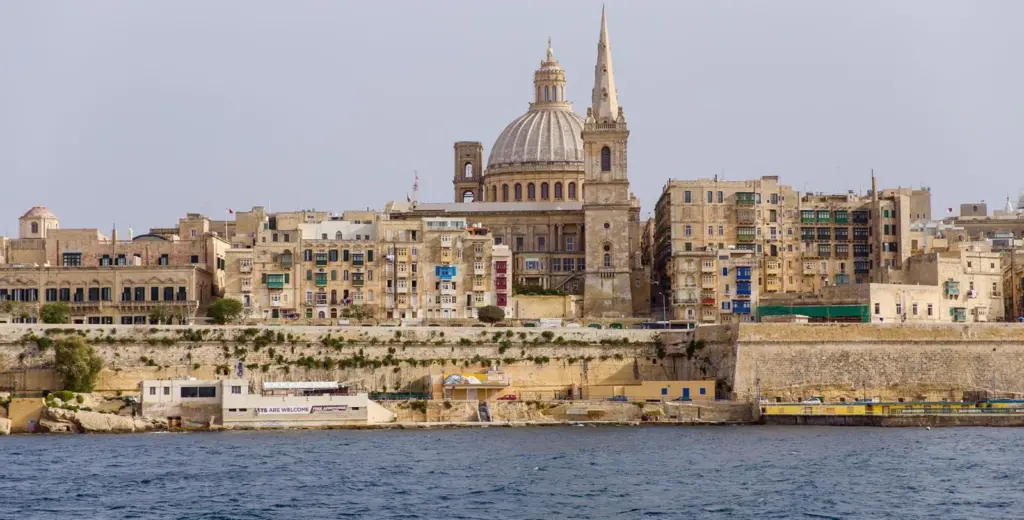
The tiny Mediterranean island nation of Malta has been at the forefront of a shorepower project, Phase 1 of which has been successful enough to pave the way for a second phase.
“We have been the front-runner in the Med to accomplish a very dynamic project,” said Norbert Grech, Senior Manager – Ports & Yachting Directorate with Transport Malta, presenting at GreenPort in Le Havre.
“As an EU member state we have led three projects that are ongoing, one of which has been done for cruise ships, and we are proud to say that we can connect five vessels at one go.
“All the port is OPS (Onshore Power Supply) for cruise vessels and in Phase 2, which we have started, it will be dedicated mostly to RoRo and RoPax ferries.”
The project, which has been 85% EU funded, caters for up to 300 cruise liners a year and the power is sourced from either Malta’s LNG power station or from an interconnector with Italy.
“This is done via a 48-hour notification from the customers to tell us how much they need so that we do not disrupt any household power needs,” he said.
The project was carried out partly because of where the port is in the middle of three cities, which complained about the noise, pollution and inconvenience of cruise liners berthing there so often.
“We have calculated that 17,000 people have benefited from the decrease of emissions,” he said. “And there are 40% less CO2 emissions.”
The cruise ship MSC World Europa, was the first vessel to hook up in Valletta, and was officially inaugurated by the Maltese prime minister Robert Abela.
Abela toured the vessel while it used power from the local grid to keep its on-board systems going instead of its engines, which were switched off.
The 22-deck MSC World Europa is powered by LNG, says MSC Cruises, and operates seven-night cruises around Malta, Spain, France and Italy.
Speaking at the presentation, one member of the audience said all cruise ships were now leaving the shipyards equipped for shore power – it was the ports that didn’t have the facilities to accommodate them.
Related Articles
 ELECTRICAL SYSTEMS
 ENVIRONMENT
 ENVIRONMENT