



The International Salvage Union’s (ISU) annual pollution prevention survey again demonstrates the vital role of professional salvors in protecting the marine environment and the importance of a sustainable salvage industry.
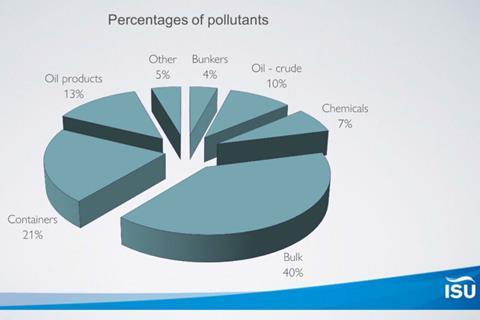
It reveals that altogether the ISU provided 162 services to vessels carrying 2.4 million tonnes of potentially polluting cargo and fuel in 2024.
“Sustaining a viable professional salvage industry ready to respond to all kinds of incidents around the world is essential and that is recognised by insurers and owners but it needs to be properly funded,” said John Witte, president, ISU,
“This survey clearly demonstrates that the threat is real and the interventions of our members are a vital contribution to environmental protection and to the protection of our clients’ reputations.”
Greater impact
In all, services were down in 2024 compared with 173 call outs the previous year and that is in line with the downward trend of the ISU general industry statistics.
But at the same time the ISU said that the potential impact of cases is getting larger, particularly in containership cases and also because of the greatly increased amount of bunkers carried by the largest ships.
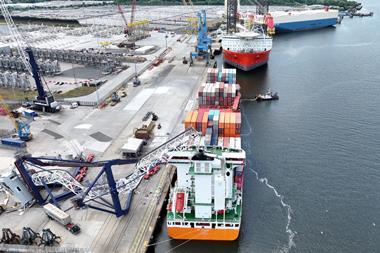
The number of containers onboard vessels in was notably higher than in 2023 and, after bulk cargo, remains the most significant category with ISU members providing services to vessels carrying 41,000 teu, or some 615,000 tonnes of cargo.
Cargoes of refined oil products increased again in 2024 but chemical cargoes dropped significantly.
Dirty and hazardous bulk cargoes in 2024 were up at 923,000 tonnes. A number of the services in the survey did not record the quantity of bunkers or the cargo type meaning the reported numbers likely represent a more modest total than the reality.
“In an era of “zero tolerance” of any pollution, even the smaller cases represent a significant concern. And many of the individual cases recorded could have caused an environmental disaster if our members had not been available to intervene,” Mr Witte added.