

US windfarm moves ahead despite Trump disdain
Despite US President Donald Trump suspending new offshore wind leasing on his first day in office, Maryland’s Public Service Commission has finalised an expanded offtake agreement for US Wind’s Maryland Offshore Wind project.
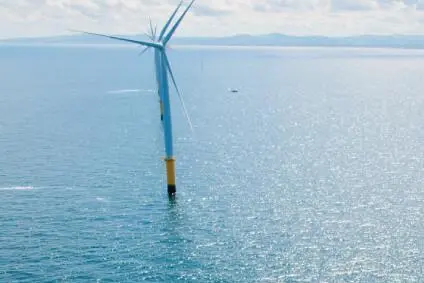
It’s an optimistic sign for the European offshore wind industry, which experienced a slump in shares following Trump putting the new lease process up for review.
Maryland’s Public Service Commission, which oversees offshore wind offtake agreements for the state, approved the project, which will consist of 114 turbines totalling 1,700 MW of capacity, enough to power 770,000 Maryland homes with offshore wind energy.
Positive progress
As part of the proposed project, US Wind reaffirmed its plans to build Sparrows Point Steel, an offshore wind turbine monopile facility in Baltimore Harbor that, when fully operational, would employ up to 530 people, including hundreds of unionised steelworkers, to fabricate monopiles for projects up and down the East Coast.
As part of the agreement, US Wind also committed to using cables from Hellenic Cables’ upcoming facility in South Baltimore, as well as steel from Crystal Steel Fabricators in Federalsburg, on Maryland’s Eastern Shore.
Hellenic Cables estimates that it will hire 200 tradespeople during the construction of its facility and employ 120 manufacturing positions when the facility becomes operational.
In total, US Wind has committed to the creation of 6,227 jobs across the project’s four phases.
Nothing in the new project leasing withdrawal affects rights under existing leases and the order is not expected to impact existing US. offshore wind projects being advanced by companies including Orsted, Avangrid, Copenhagen Infrastructure Partners and Dominion.
It may be a little too early to say though whether confidence has been shaken in the ability of the offshore wind sector to continue grow and advance in the US.
Former President Joe Biden’s green investment policy had previously provided support for the sector.
But the global offshore wind industry has traditionally struggled to play the role that many governments had envisaged in their plans to reduce carbon emissions.
Escalating costs, supply chain issues and planning delays have previously hit the industry and led to project cancellations and delays.
One of the problems with the domestic offshore wind industry in the US is the lack of vessels and equipment available, particularly as the Jones Act is tricky to work around with foreign vessels.
Related Articles
 ELECTRICAL SYSTEMS
 ENVIRONMENT
 ENVIRONMENT