



Denmark orders 32 coastal radars as global tensions rise
Denmark’s order of 32 coastal radars shows Vessel Traffic Service (VTS) is shifting beyond safety as global tensions rise and shipping faces increasing risks.
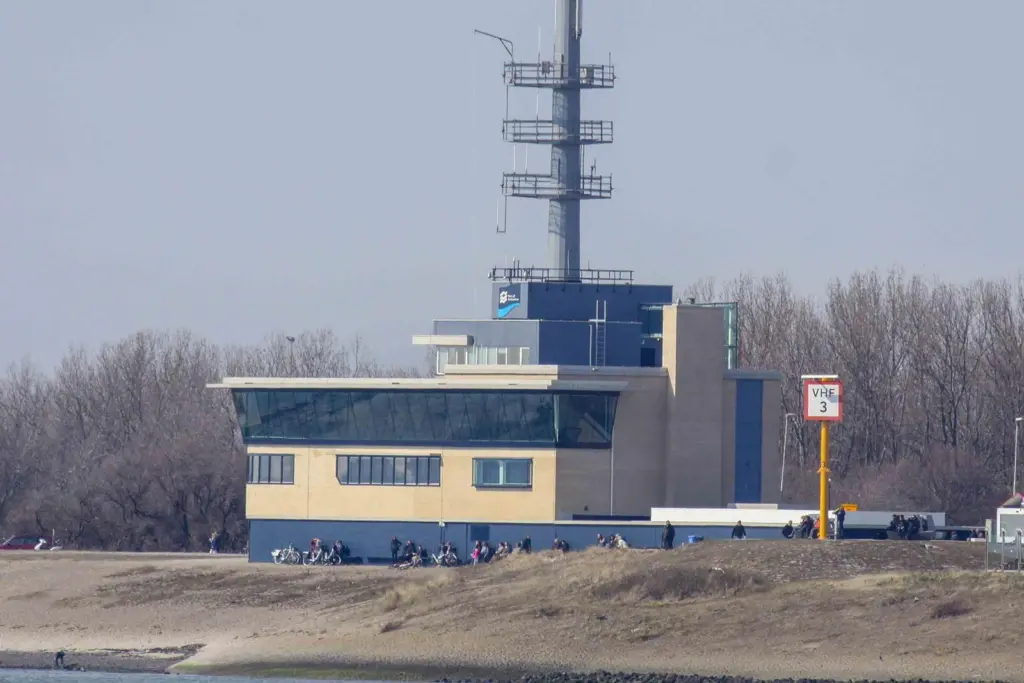
Coastal states, particularly in Europe, are focusing more on shipping surveillance and the civilians who operate commercial VTS provision are now also monitoring maritime activities of a geopolitical nature.
The order from Denmark’s Ministry of Defence Acquisition and Logistics Organisation with Danish aerospace, defence and security specialist Terma was followed by a similar order for 51 Scanter 5202 radars for Sweden’s Defence Materiel Administration.
“These radars represent a vital step forward in strengthening Sweden’s maritime domain awareness.” said Thomas Blom, senior vice president, Terma Surveillance & Mission Systems. “In today’s unpredictable security landscape, high-performance surveillance systems like the Scanter 5202 are critical to national resilience.”
Long history
The origins of VTS date back to post World War II, when surplus wartime radar equipment was adapted for commercial shipping. In 1948, Port of Liverpool’s use of shore-based radar to monitor seaborne traffic was considered the first example of what became known as VTS, other major ports including London, Rotterdam and New York following during the 1950s.
In 1972 the IMO issued the first guidelines for VTS, the growth of which has gone together with technical such as sophisticated radar, AIS, CCTV and satellite data integration.
VTS is often part of a port’s safe navigation provision which, working in concert with pilotage services, is often mandatory and backed up by port by-laws alongside the usual international collision regulation obligations.
European coastal states have experienced damage to subsea infrastructure leading to the requirement for greater knowledge of shipping passing through their waters, including identifying vessels that may be subject to international trade sanctions.
There is also a cross-over here with a strengthening of the EU’s mandatory ship reporting and monitoring arrangements, including for vessels that transit through EU coastal waters without entering ports.
As VTS-related technology improves, the potential for a coming-together of commercial quasi-military applications is growing more likely.
Developing VTS
The adoption of VTS initially involved management of traffic approaching ports but now also includes congested seaways and traffic separation schemes for which coastal states have taken responsibility.
The advent of offshore renewable energy, particularly when building offshore wind farms, has led to increasingly congested waters. Wind farms take up large sea surface areas and are out of bounds to shipping, which often blocks long-established and recognised routes, including deep-water channels.
Ensuring these two potentially conflicting areas of activity co-exist safely is vital, an example being where Dutch marine specialist Redwise supplied offshore VTS operators, providing additional coverage beyond VTS areas controlled by port and national authorities.
This was during the two-year construction period of the Norther wind farm off Zeebrugge in Belgium, where it helped guide and inform commercial shipping, fishing vessels and leisure craft navigating through the area.
Offshore wind energy projects invariably involve numerous craft ranging from small tugs and Crew Transfer Vessels to large jack-up installation vessels where a system of monitoring and advising conflicting traffic beyond the site’s boundaries is essential.
Coastal VTS
An illustration of how, when required, VTS operates in unison with local coastguard-related activity is the Channel VTS operation based at Dover and covering the south-west bound lane of the IMO-adopted Dover Strait Traffic Separation Scheme (TSS).
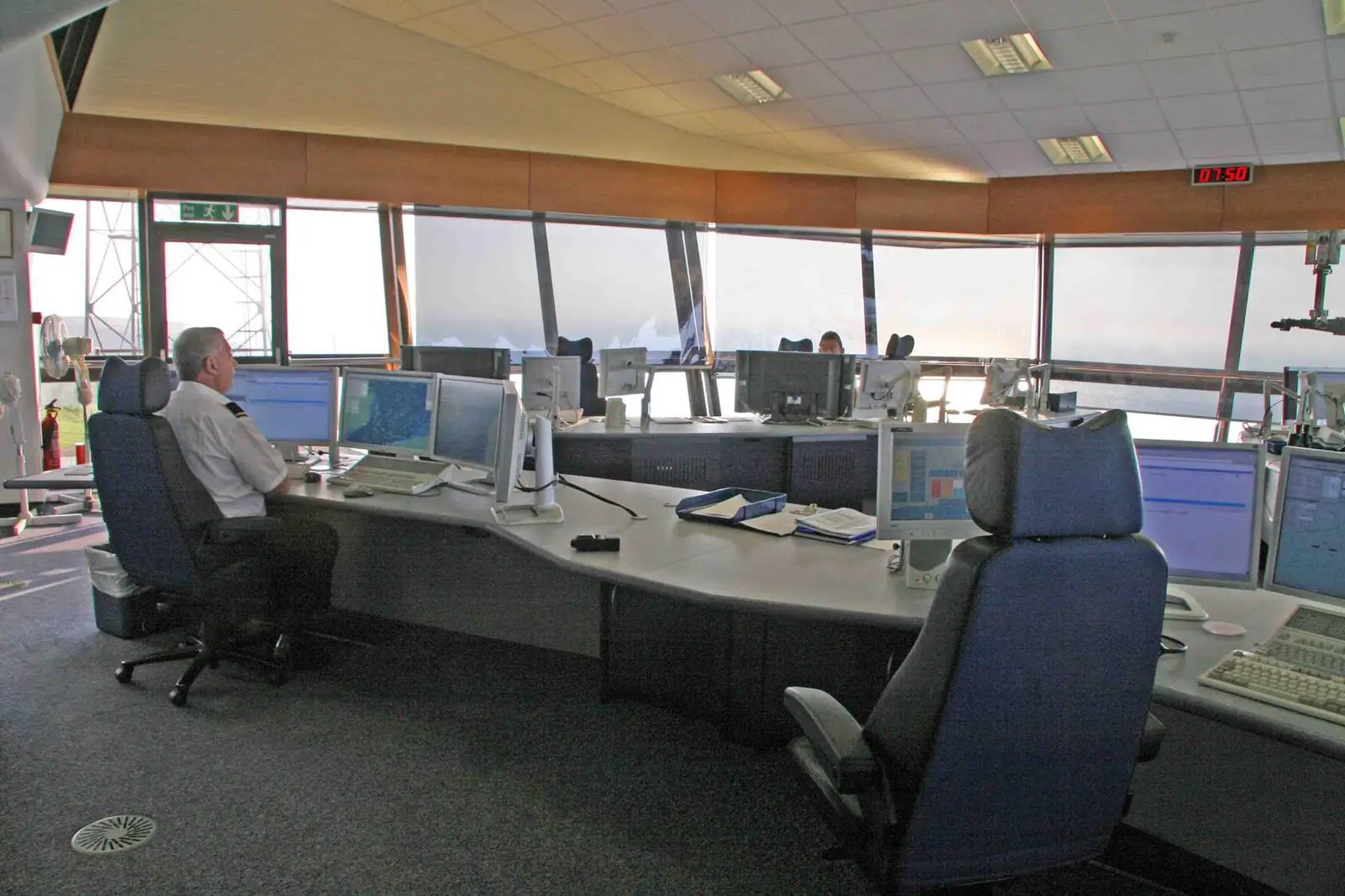
VTS in the Dover Strait is operated jointly by the UK and France, with southwest-bound shipping monitored by the Maritime and Coastguard Agency from the Dover Maritime Rescue Co-ordination Centre and northeast-bound shipping from French national authorities through CROSS Gris-Nez.
Each day more than 400 commercial vessels use the Dover Strait, which is a mandatory reporting area for vessels over 300GT with passage details collected and their progress monitored during their journey through the Strait.
At their narrowest point the lanes are around 5km wide with cross-channel ferry traffic, fishing vessels and leisure craft adding to the congestion and VTS operators regularly alert vessels to close-quarters situations detected.
Ships using the TSS are automatically tracked by radar with evidence collected that can be used when appropriate in prosecutions for contravention of the collision regulations.
UK-flagged vessels may face action by the MCA Regulatory Compliance Investigation Team with information provided to non-UK flagged vessel states for their own action under international regulations.
The MCA also operates the Sunk VTS remotely from Dover, monitoring the northernmost approach channels to the Thames and Medway, along with the ports of Harwich and Felixstowe around 65km north of Dover.
Small boats to the UK
An example of how VTS is assisting beyond its original intended purpose is with the ‘small boat crossings’ across the Dover Strait.
Before 2018, most irregular Channel crossings by asylum seekers were by lorry, ferry or train. Since then the number has increased from around 300 to more than 38,000 in 2024, usually crossing in inflatable dinghies.
They are escorted for their own safety by French naval and coastguard vessels before being embarked onto UK Border Force vessels and (when life is at particular risk) by civilian rescue services once in UK territorial waters.
This activity carries high risks, involving transiting between some of the world’s largest ships, which are restricted in their ability to manoeuvre.
HM Coastguard’s activities are co-located with Channel VTS at Dover MRCC and the two, often involving the same professional personnel, are able to draw on each other’s experiences and access technology to enhance the safety of all who use the Dover Strait.
Should there be greater sharing of information between the civilian safety provisions provided by commercial VTS and the more state-orientated security requirements, operations such as that in the Dover Strait could potentially smooth out what may otherwise be a steep learning curve.