




GPS anti-jamming
With the now almost universal use of GPS for navigation and timing, the potential for jamming of the GPS signal is causing increasing concern. Originally developed for military use, systems were produced to reduce the chance of GPS signal jamming and now these anti-jamming systems are becoming available for the commercial sector. Fitting these anti-jamming systems should help to restore confidence in the use of GPS in critical navigation situations.
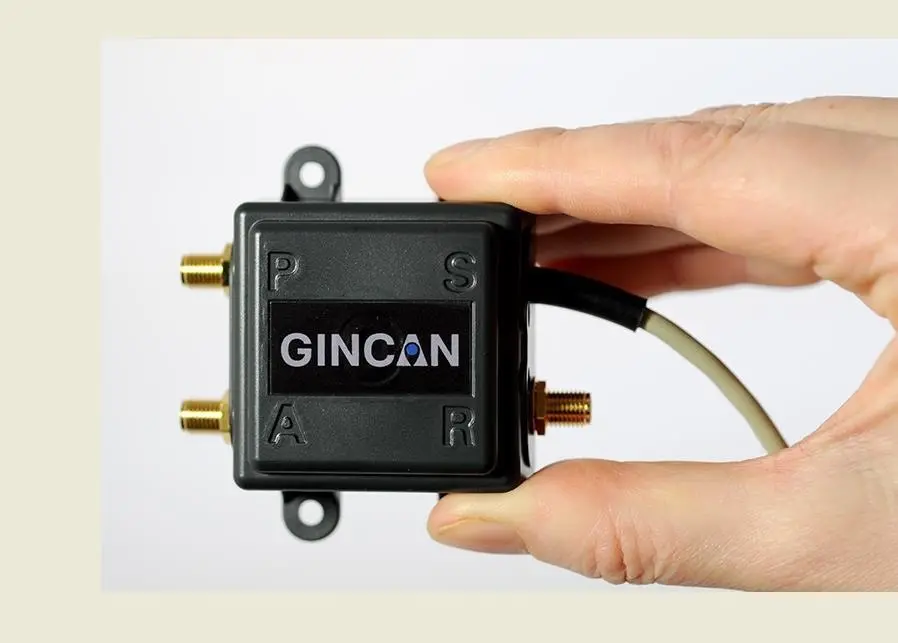
Chemring Technology Solutions is heavily involved in the development of advanced anti-jamming systems for the military and now they have found a way to reduce both the cost and the size of anti-jamming units to make them suitable for commercial use. Their new unit, called Gincan is based on the adaptive antenna concept used by the military systems. Chemring claims that their Gincan unit has the smallest size, weight and lowest power solution available on the market today, with a chip footprint of only six millimetres-squared.
Gincan’s reduced size and weight will significantly cut power usage and cost, making it ideal for combatting the widespread problem of low powered GPS-jamming. Gincan can be integrated into a range of applications including in-vehicle satellite navigation systems, cellular technology and be used for the protection of the critical infrastructures which rely on GPS to provide positioning and timing.
GPS jammers have already been developed to interfere with the European Union’s Galileo system, which will provide European satellite navigation independently from the Russian, USA and Chinese systems by 2019. Chemring Technology Solutions has anticipated this problem and its GPS anti-jamming technology will also support positioning systems using Galileo.
Once the preserve of the military, there is now an increasing demand for GPS protection in the civilian market, as illegal GPS jamming equipment becomes widely available on the Internet. The £1.5 million UK government-funded Sentinel project, designed to measure GPS jamming on UK roads, recorded more than 60 individual jamming incidents across six months at a single location. In the Port of Southampton it is reported that between 8 and 11 GPS blockers are detected every day. Such attacks could seriously impact navigation in many coastal and port areas.
Martin Ward, Product Manager at Chemring Technology Solutions, commented, “Many years of developing GPS protection technology for the military has enabled our research and development team to miniaturise anti-jamming technology. Gincan can now be easily integrated in to a range of applications to provide effective protection against jamming devices. As we become increasingly reliant on GPS technology, and low-cost jammers are proliferating, so a potential time bomb is being created. Chemring Technology Solutions is now able to offer the answer to this problem with jammer protection at a reduced size, weight, power and cost footprint.”
By Dag Pike