




Fatal RIB crash exposes law gap between leisure and commercial marine
The Marine Accident Investigation Branch has renewed its long-standing call for statutory alcohol limits in recreational boating after finding alcohol was a factor in a fatal RIB accident.
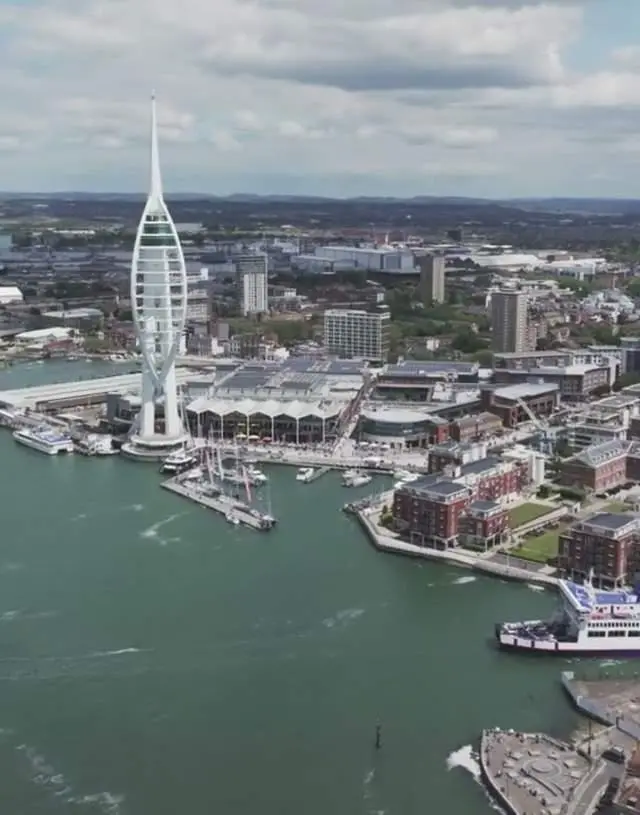
Excessive speed and poor lookout also contributed to the accident that happened in Portsmouth Harbour in August 2022. The report also said not one of the three people on board was wearing a PFD.
The MAIB investigation found that William Blake and Gary Huntington, two of the three people on board, were fatally injured when their RIB Peaky Blinder struck navigation beacon 81, ejecting them all from the boat. The other person survived with minor injuries.
In its report, the MAIB says it has “repeatedly recommended that the Department for Transport expedite the commencement of the subsections to Section 80 of the Railways and Transport Safety Act 2003, in order to implement the limits on the amount of alcohol which may be consumed by persons in charge of pleasure vessels.”
The MAIB’s recommendation highlights a contrast with the commercial shipping sector, where alcohol limits have long been enshrined in law. Under that Act, masters, officers and crew carrying out safety-critical duties on commercial vessels are subject to prescribed alcohol limits.
In practice, however, many shipping companies operate even stricter standards, with zero-alcohol policies while on duty or, in many fleets, throughout a crew member’s time on board, supported by routine alcohol and drug testing as part of their safety management systems.
The UK is also unusual among Europe’s leading maritime nations in having no prescribed alcohol limit for operators of private pleasure craft.
Countries including France, Germany, the Netherlands, Belgium and Denmark all apply drink-driving-style limits to recreational boaters, while Sweden enforces one of Europe’s strictest regimes for larger and faster vessels.
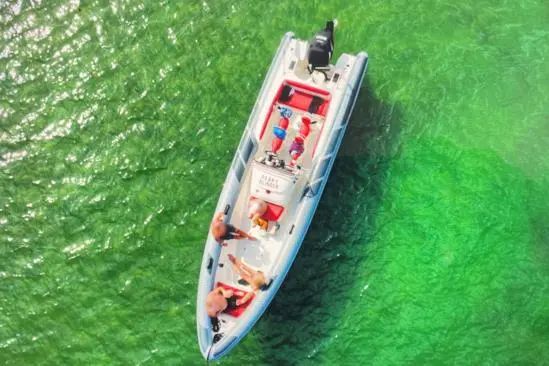
The MAIB has argued that introducing similar legislation in the UK would bring it into line with many neighbouring countries and help address a long-standing gap in recreational boating safety.
Investigators concluded that the coxswain had consumed alcohol throughout the day, reducing his ability to safely navigate the vessel.
“The effect of the alcohol he had consumed through the day reduced his attentional capacity and cognitive resources that would have enabled him to both recognise and correct the impending departure from the channel at an early stage in the passage,” it says.
The MAIB also found that the coxswain “was not maintaining an effective lookout to enable him to monitor the RIB’s position and make effective decisions for the RIB’s safe navigation” before the collision.
The report concludes that sunlight reflecting from the water may have impaired the coxswain’s vision as the RIB turned directly into the low evening sun, but says he was almost certainly unaware of his proximity to the beacon because he had not anticipated the manoeuvre or monitored the vessel’s position relative to the navigation channel.
Other incidents
The investigation is the latest in a series of MAIB reports linking alcohol to fatal leisure boating accidents.
It cites the 2005 Sea Snake accident, in which three people died after a powerboat struck a cliff in Scotland, and the 2009 grounding of the RIB Sooty, where one person died and both the coxswain and the deceased had blood alcohol concentrations of more than three times the legal road-driving limit.
The report also references the 2011 collision between the RIB Morfil and the passenger ferry Sun Clipper on the River Thames, in which investigators found the coxswain was under the influence of alcohol and travelling significantly above the Port of London Authority’s recommended speed limit.
The MAIB also highlights the 2022 fatal allision involving the RIB Fargo, which prompted Dorset’s Senior Coroner to issue a Prevention of Future Deaths report expressing concern over “the lack of legislation prohibiting the use of alcohol or drugs by those who are helming a vessel for private or pleasure use, whereas for those helming a commercial vessel, there is.”
Despite the repeated recommendations, the Department for Transport has maintained that the number of serious incidents involving recreational mariners where alcohol is a causal factor is relatively low and that previous consultations have identified significant challenges to introducing statutory limits.
It says it will continue to keep the evidence under review while promoting awareness of the risks of drinking and boating.
Related Articles
 OTHER NEWS
 SPONSOREDSTORY
 INDUSTRY NEWS