
OPINION: Port operations must be made safer
Continuous vigilance, enforcement and safety cultures are critical to avoid injuries or worse, with internal waters such as ports the scene of more than half of marine incidents last year, says Lars Hardeland, =commercial director – Shipping of logistics and marine services provider GAC Group.

In April, a ship’s master and its shipping company were convicted in Australia for a pilot ladder failure that resulted in serious injuries.
The investigation into the incident found that the ladder had not been checked regularly and had been improperly stored, leading it to degrade and become unsafe. Both the vessel’s master and its shipping company were fined after pleading guilty to failing to ensure their arrangements complied with regulations.
The Australian Maritime Safety Authority (AMSA) says such preventable accidents can put lives at significant and unacceptable risk. The incident showcased the importance of continuously enforcing safety culture for shoreside staff as well as vessel crews.
The European Maritime Safety Agency (EMSA) marine casualties and incidents 2023 annual overview reported that while safety incident rates were similar across all vessel types, ‘internal waters’, including port areas where pilots, tugs and service vessels operate, accounted for more than half of the reported marine casualties and incidents last year.
The need to provide efficient and effective support to vessels and crews during turnaround procedures in a relatively confined space must not be at the detriment of safety efforts.
“Marine services specialists working portside must make every aspect of a vessel turnaround procedure as safe as possible, from docking and unloading cargo to crew changes to bunkering,” says Lars Hardeland, GAC Group commercial director – Shipping. “There must a well-established and enforced working culture that prioritises well-being, vigilance and compliance to prevent accidents.”
GAC has given particular attention to safe boarding procedures, particularly for those operating from tugs or offshore service vessels. The Group’s ‘Safe Boarding Initiative’ was set up more than a decade ago to ensure proper training and constant vigilance of vessel crews and portside staff for GAC and local suppliers alike.
“We drive home the message of ensuring that those working at ports are fit to climb pilot ladders, are wearing the correct clothing, and remain seated and secure on a tender during the journey from shore to vessel, as well as a thorough understanding of how to safely board commercial vessels,” says Hardeland. “By increasing crew skills and knowledge of procedures such as man overboard, pilot ladder and life raft safety training, you can limit the number of situations where workers might find themselves in danger.
“A positive safety culture for port-side operations can extend beyond the port. It provides a framework for applications for hotel inspections, land transport, medical testing and providing mental health support. It all begins on the shoreside.”
The Sri Lankan example
In Sri Lanka, GAC has more than two decades of experience of dealing with the safety challenges of operating a fleet of more than a dozen modern marine crafts, including tugs, crew launch vessels and supply boats.
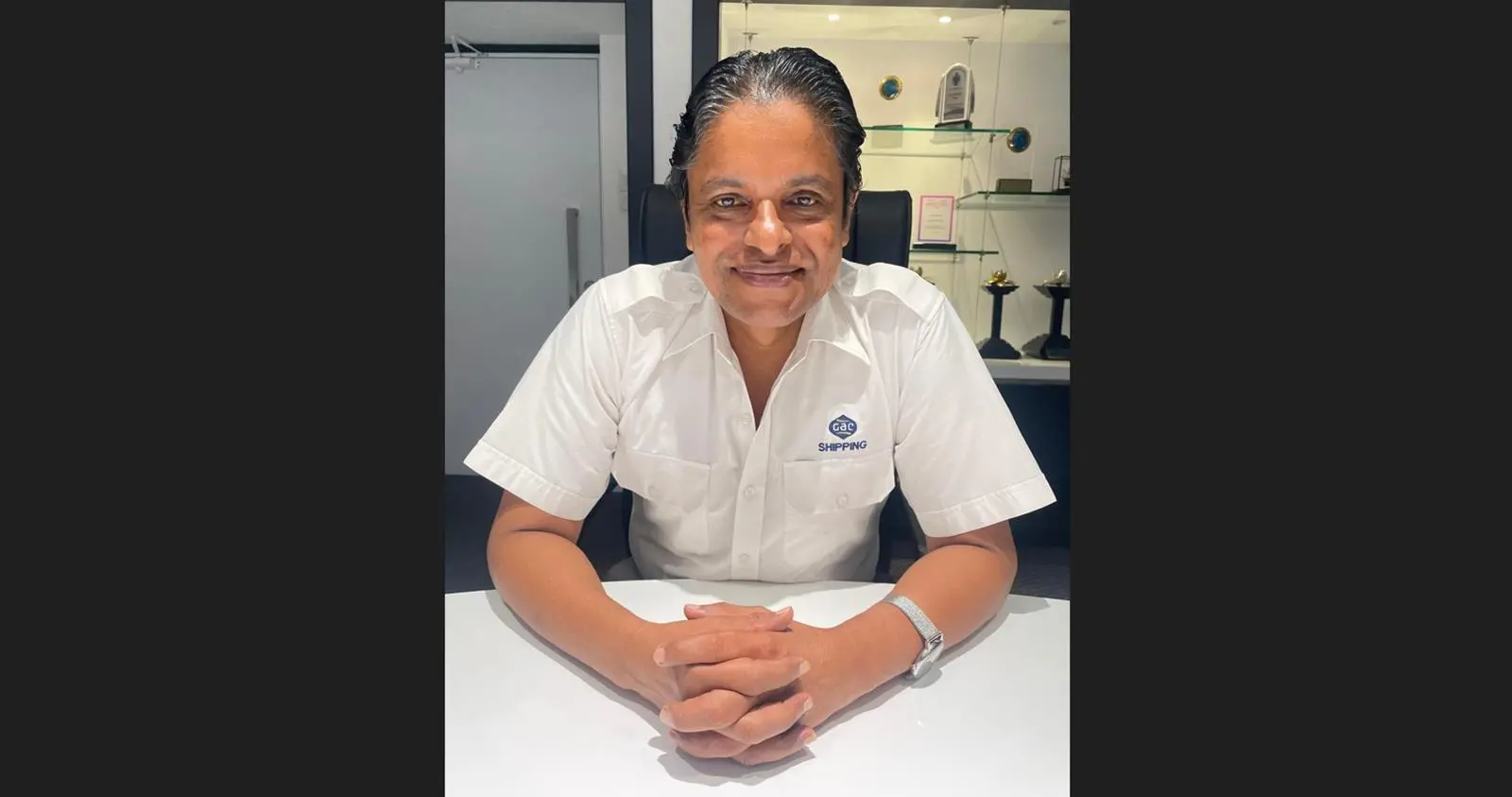
Continuous training and safety operations for crews and operators is vital to support round-the-clock service to vessels plying one of the world’s major shipping lanes.
GAC also works closely with maritime bodies the Sri Lanka Ports Authority and Coast Guard to enhance safety initiatives.
“We conduct regular safety, fire-fighting and emergency rescue drills for tug vessels to ensure we are prepared for real-life situations in tough seas and harsh weather conditions,” says GAC Sri Lanka’s port captain/general manager Captain Keith Jayasuriya.
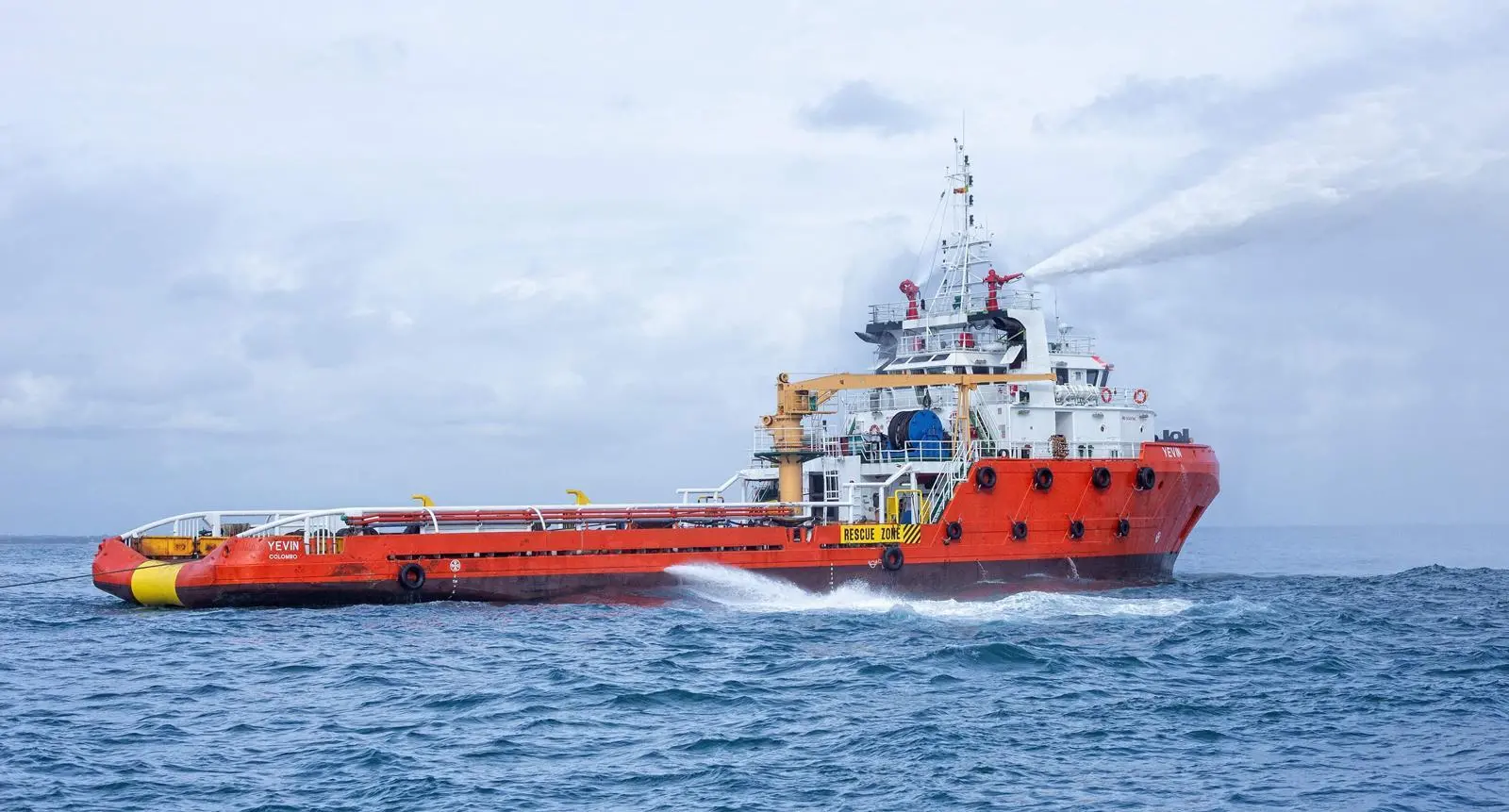
“The smaller size and lower freeboard of tugs and similar vessels expose them to greater risks in rough seas and adverse weather conditions, which requires greater attention to load and ballast management. They also typically have fewer crew members and less down-time, which can limit the time and attention they can devote to safety and compliance tasks.
“But no matter the challenge, it is important to put safety of our crews and personnel first. By doing so, we empower our teams to promote safety and ensure vessels and crews know they can dock, load/unload and turn around safely in Sri Lanka.”