![MaritimeJournal[Seawork]](https://www.maritimejournal.com/wp-content/uploads/2026/09/MaritimeJournalSeawork.svg)





Tidal energy: an overlooked resource
Rob Stevens hails the potential of a now-proven, abundant and indigenous source of green energy. All it needs is the kind of government backing Denmark gave to wind power.
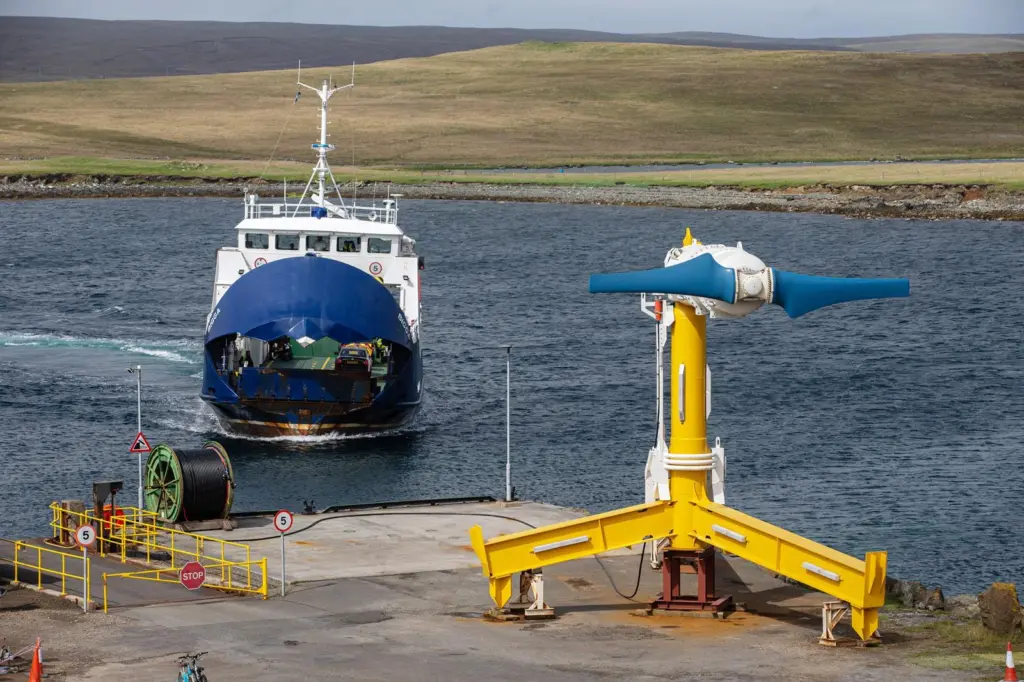
When Britannia ruled the waves, it was geography that played a big part. Today, that same geographical position offers Britain another – and very different – opportunity for a maritime lead: the development of tidal stream energy.
The tidal streams around our coast have the potential to provide a continuous source of green energy to the UK. The realisation of that power source would also fulfil an immediate strategic need to boost our indigenous supply of electricity as we shift away from fossil fuels in the run into Net Zero by 2050.
We are on the cusp of realising that industrial potential. A hitherto unsung group of British companies have developed tidal technology to the brink of full commercial operations. Given the right policy backing, they are poised to take a global lead in this sector.
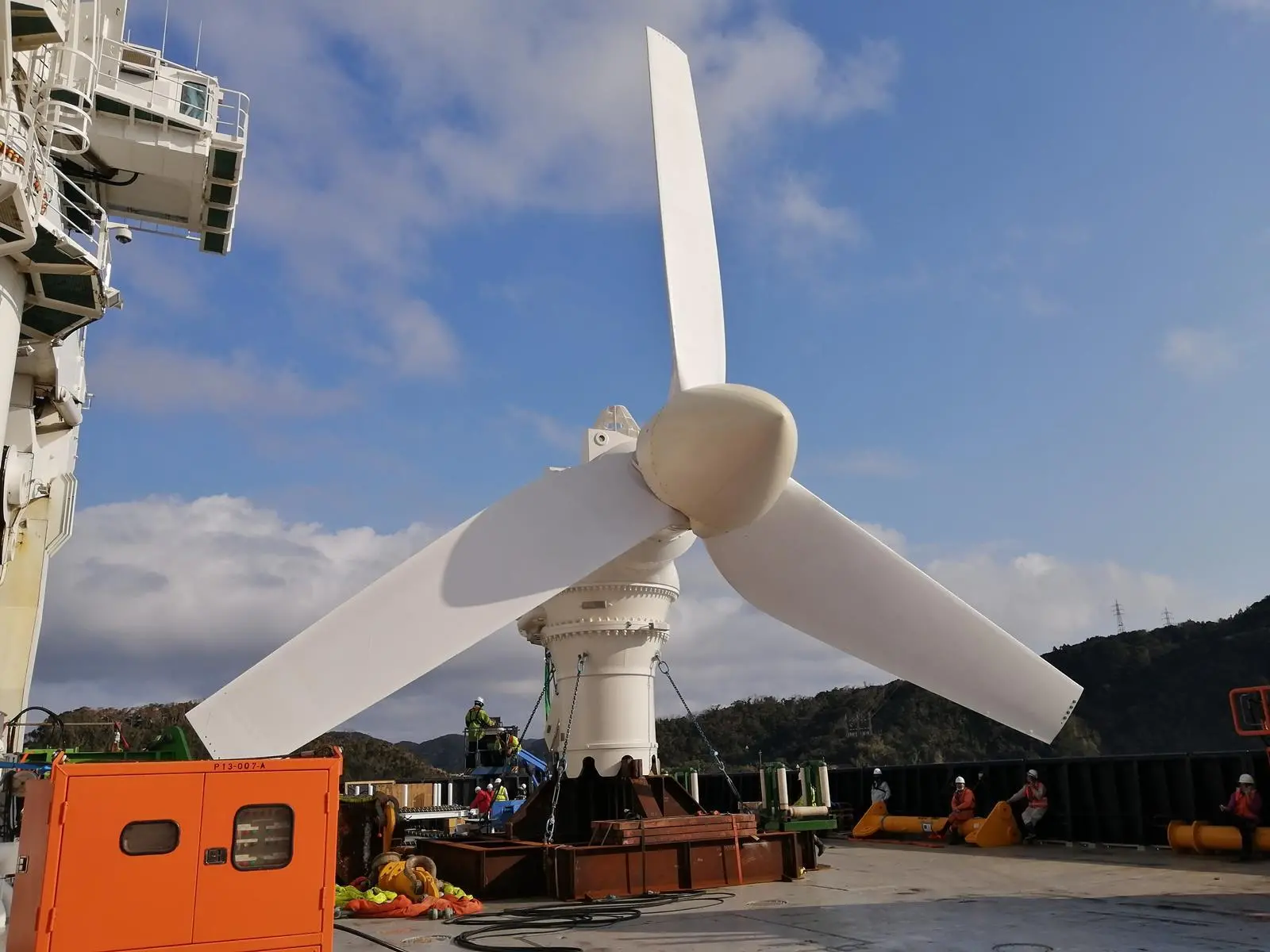
British tidal turbine companies such as Simec-Atlantis, Orbital Marine Power, Nova Innovation, QED Naval, HydroWing, Sustainable Marine Energy and others have between them invested over £500m in developing operational tidal turbines. This investment, along with government innovation grants, sees them poised to start full commercial production with their now-proven tidal turbines, the most capable in the world.
These companies have delivered over 35GWh of power to the grid in Scotland. They are also exploring export opportunities in Japan, Canada, France and Indonesia.
EMEC
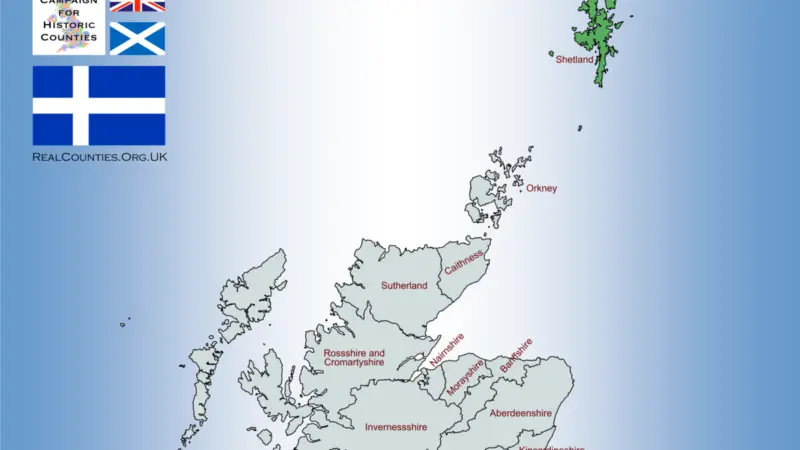
At the heart of the development is another British company, the European Marine Energy Centre (EMEC) in Orkney, which has provided a global test bed for over 30 tidal and wave technologies from all around the world. These all feed into what has become an almost wholly renewable-energy grid in Orkney with the excess power being used to make hydrogen for local use in a variety of fuel, power and heat applications. At the same time they are boosting the local and UK economies to the tune of £306.3m gross value added (GVA) and 452 jobs. All for an initial investment of £36m, as reported in the BiGGAR Economic Assessment of EMEC of January 2021.
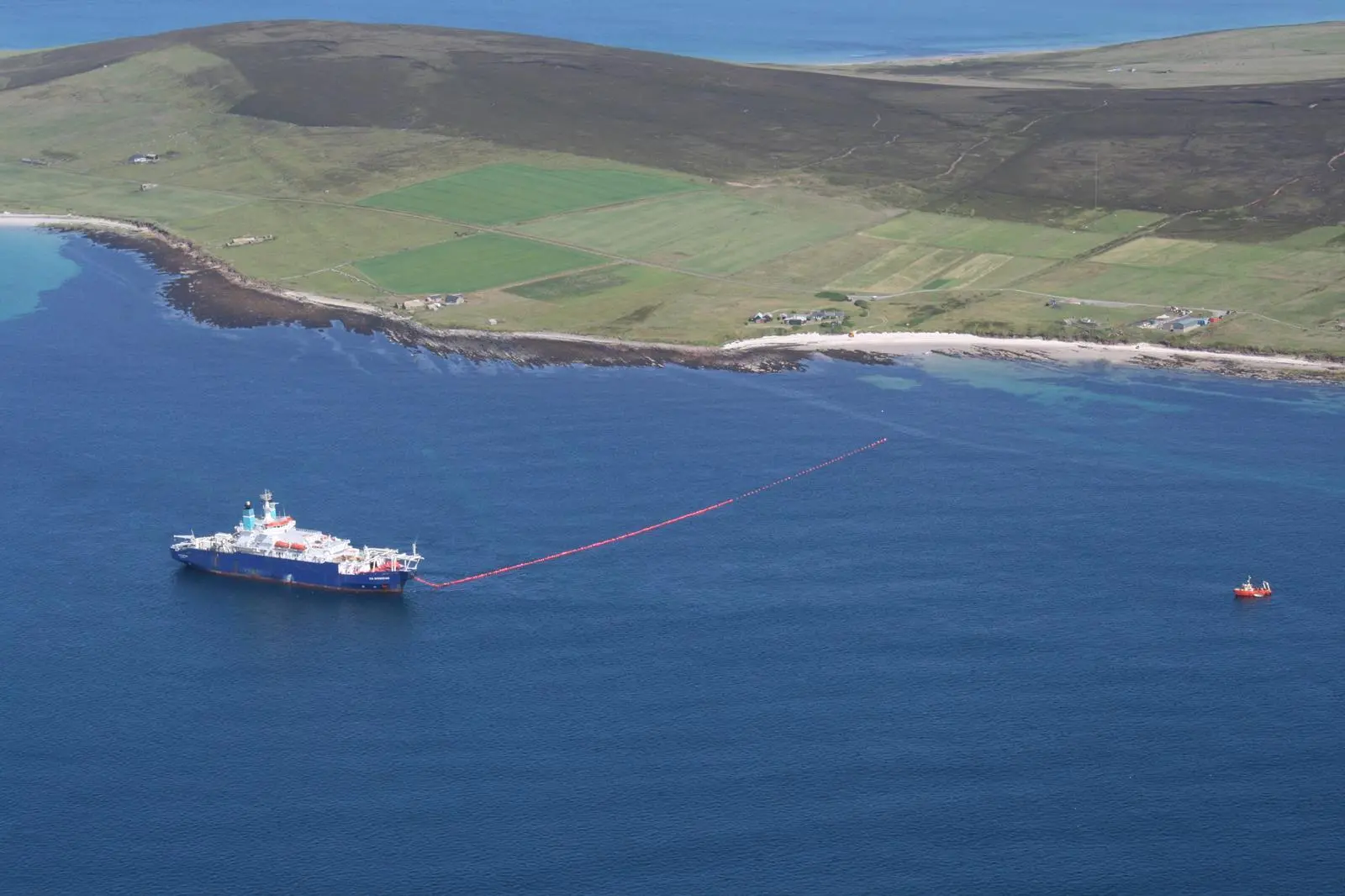
On the back of this progress in Scotland, commercial tidal energy sites in the Isle of Wight (Perpetuus Tidal Energy Centre, of which I am chairman) and Wales (Morlais) have both gained their environmental consent to start operations, with a view to generating electricity into the grid, as early as 2025.
They are underpinned by more than 20 supply chain companies around the UK, all chafing at the bit to move into full commercialisation in the next round of government energy auctions. The intentions are to deliver the at-scale turbine deployments that will consolidate the UK’s technological lead, continue to reduce the price of tidal energy, provide up to 19% of UK power by 2050 (Imperial College study) and put Britain at the forefront of commercial development.
Once again, the source of this advantageous positioning is our geography. The tidal flows in and out of our coastal regions are sufficiently strong and numerous enough to provide Britain with 50% of Europe’s tidal stream energy capacity, or 10-15% of the global resource.
But why is this such an exciting proposition? It gives Britain a new renewable energy industry, where 80% of the manufacturing capability is British, providing new jobs and global export opportunities, all in the very coastal port areas that we are seeking to rejuvenate.
Environmental credentials
Environmentally too, the credentials of tidal stream energy are almost unassailable. This energy source is powered by the gravitational pull of the moon and sun on the waters of our seas, an inexhaustible source of energy for humans.
Water being more than 800 times denser than air, tidal streams have a significantly more powerful energy generation capability than that of wind. This gives the system the added advantage of a site one eighth the size of a wind farm for the same generation capacity. Also, it is at sea, taking up no space on our already over-utilised land mass.
Encouragingly, and importantly, experience has shown that the slow-turning tidal turbines do not harm fish or large mammals. In fact, it has been postulated that the tidal sites could even create an artificial reef to protect and enhance the sea life in and around those areas.
The system’s grid credentials are impressive too. The tidal energy flow is predictable out to 100 years ahead, a characteristic which could reduce grid intermittency and wide fluctuations in the renewable energy market price during those cold, cloudy and windless days in winter. All of which could reduce the overall cost of energy.
Going one step further, exploiting the differing flow times between key tidal locations could provide continuous power to deliver a small but potentially significant element of base load, thus further reducing the need for fossil-fuel-generated reserve power stations.
Strategic advantages
There are some compelling strategic advantages too.
Britain today is not self-sufficient in electricity. We import around 10% of our electricity through the continental inter-connectors, a figure that is likely to increase as we reduce the number of fossil fuel and nuclear power stations over the next few years. But our European counterparts are of course also decarbonising their electrical supplies, and some of them are reducing their reliance on nuclear power. At the same time, we are all seeking to electrify cars and heating, creating a significantly higher demand on the grids.
The consequent increase in demand could, as we have seen recently, cause price increases, or supply shortages: an unattractive scenario for the UK, because our gas reserves are amongst the smallest in Europe and we already pay heavily for grid-balancing services to meet winter demand. All of these factors make us vulnerable to political and economic pressures of the kind that Putin is using today and France threatened Jersey with recently.
If each of these sites has the significantly greater capacity that we are seeing from the current sites then Imperial College estimates that the known tidal stream sites around the UK would offer an additional generating capacity of 6–17GW per year (and more as technology improves), which is around an 19% increase in our indigenous generating capacity. This would certainly help to restore grid self-sufficiency.
So why hasn’t the potential value of tidal stream energy been developed earlier? The reason is that up until now it has been too expensive. But the now proven turbines and the potential environmental and economic advantages have persuaded Kwasi Kwarteng, the Secretary of State for Business, last year, to include a small ring-fenced funding (£20m) to encourage the commercialisation of tidal stream energy.
It is an encouraging start. But the industry needs government to look beyond the short term cost arguments with a policy of annual funding (like wind and solar) if it is to attract private investment and exploit the wider economic value to the Britain.
The Danish example
A good example of how such a policy could deliver for the UK is the Danish government investment in wind energy; the £690 million (€830 million) they invested in wind energy between 1980 and 2000 had by 2014 generated a turnover of £10.6 billion (€12.7 billion) with exports of £6.4 billion, and the creation of 29,000 jobs. By 2016 Denmark’s wind energy exports were higher in value than the UK’s defence industry exports.
The British companies are similarly well positioned to capture a significant proportion of the global market share for tidal energy (estimated to be £76 billion (€91 billion) by 2050). The cost reductions they have eked out of their small-scale developmental deployments have added a granularity to the Offshore Renewable Energy Catapult (OREC) study of 2018, which predicted that at-scale turbine deployments would make tidal cost competitive by 2030.
The next step could place Britain at the forefront of the tidal industry, presenting an industrial opportunity similar to that of the offshore oil industry in the 1970s and wind in 2000s.
Industrial renewal
It would breathe new life into the post-industrial ports around our coasts, bringing opportunities in the manufacture of turbines, underwater structures, moorings and power cables as well as boosting the ports’ maritime support elements.
According to the OREC study, UK tidal stream industry could generate a cumulative benefit to the UK by 2030 of £1.4bn and support a total of almost 4,000 jobs.
This is a huge opportunity for Britain: we are ideally placed, by history, geography, experience and a technological lead, to become the international market leaders in marine energy.
Rear Admiral Rob Stevens CB, Chairman of Perpetuus, joined the Royal Navy in 1966 and moved up rapidly, eventually becoming Head of the UK Submarine Service as well as Chief of Staff to the Commander of Naval Forces South. In 2005 he retired from the Navy and became chief executive of the British Marine Federation.