




Flying squirrels could be costly for Helsinki harbour plans
A cheaper and quicker option to build a tunnel as part of the Port of Helsinki’s expansion plans could be abandoned because of flying squirrels.
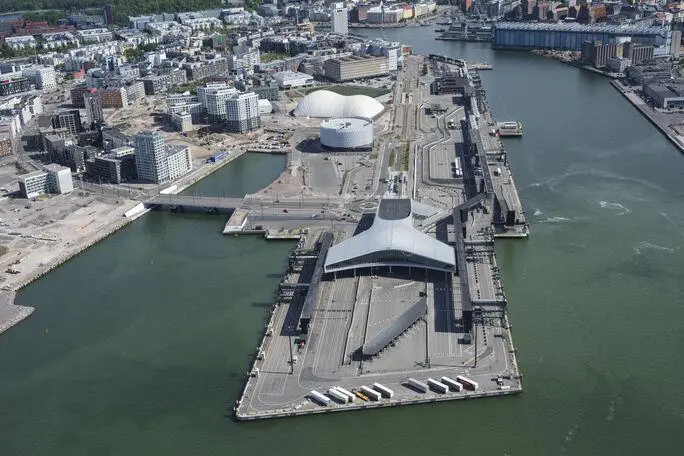
Planning for major development at the Port of Helsinki’s West Harbour has reached its final stages with a key tunnel still being assessed for ideal route and cost.
The harbour tunnel, which will take traffic from Jätkäsaari to Länsiväylä, “will transfer the majority of the traffic caused by harbour operations in Jätkäsaari and Ruoholahti from the street network to the tunnel,” say planners. “It will also make traffic more efficient in Jätkäsaari and improve the general pleasantness and air quality of the area.”
However a decision on which option to choose has still not been made, with four options (A, B, C and D) having been considered since 2020 until two (B and C) were abandoned for environmental and cost reasons.
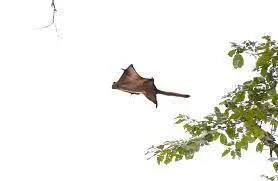
Between the remaining A and D options there is a large cost discrepancy and engineering hurdles that will have to be considered, but a flying squirrel population could actually be one of the determining factors and result in millions more being spent.
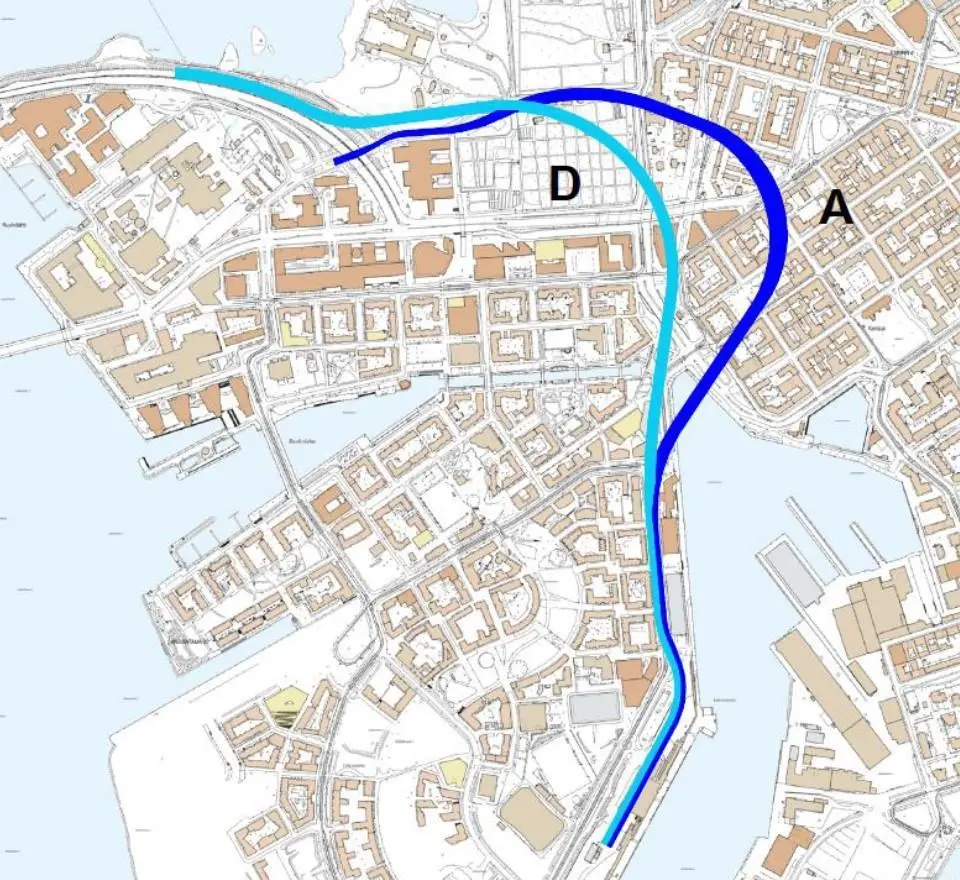
Tunnel options
According to the Port of Helsinki authority, which dealt with a record 15.2 million tonnes of goods in 2022, roughly half imports and half exports, option A for the tunnel would be much quicker and cheaper to build than option D.
Option D is estimated as costing €420 million as opposed to €290 million for option A and would take about 10 years longer.
However, planners say D would have no impact during construction on the flying squirrels who nest in trees at a park that would be affected by the tunnel opening in option A.
“Making A feasible in the Lapinlahti Park area would entail coordination and the lessening of the environmental impacts,” say planners. “These needs are related in particular to landscape matters, as well as the local trees used by flying squirrels for nesting and the protective trees surrounding them. D would not be subject to such needs, as the opening of the tunnel would be located further away from the park.”
The €130 million more needed to build option D – and the extra decade – is mainly due to the existence of oil caverns underneath Länsiväylä, which would first have to be decommissioned before any underground construction could begin.
“The bedrock of the area is in poor condition, and the construction of tunnels would require lifting the excavation prohibition imposed by the Finnish Safety and Chemicals Agency (Tukes) in the oil cavern area,” say planners. “Furthermore, the project would require building a substitute oil reserve in Salmisaari, emptying the caverns, cleaning and airing out the empty caverns and reinforcing the bedrock structures.”
Before any of this could even begin, an oil reserve would have to be put in place to hold the oil extracted from the caverns.
Further discussions will be held on the matter this spring.
Related Articles
 MARINE CONSTRUCTION
 MARINE CONSTRUCTION
 MARINE CONSTRUCTION