

Video: Rotterdam ramps up its provision of shore power
With so many options for alternative fuel now on the table, Rotterdam is banking on shore side power as one of its provisions.
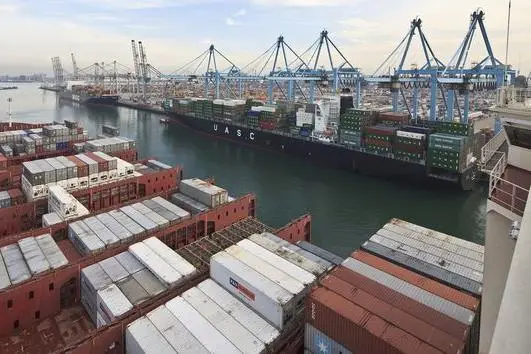
Like all ports, Rotterdam is working on the transition from fossil energy to sustainable energy. The port said that shore-based power makes reducing emissions possible by providing a clean energy source for vessels calling at the port.
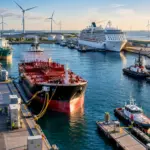
In order to further introduce shore-side electricity across its operations, the port is conducting four studies to prepare Onshore Power Supply systems (OPS). This is being done at four major terminals in the Port of Rotterdam; ECT (Amazonehaven), APMT2 (Amaliahaven), VOPAK (Botlek) and the Cruise terminal (Wilhelminakade).
Scaling up
Over the next five years, the aim is to achieve 90% of offshore, ferries, cruise and roll-on-roll-off and container ships calling at the port using onshore power.
This will result in an emission reduction of approximately 200,000 tonnes of CO2 and 2,500 tonnes of nitrogen. It’s an ambitious, but achieveable target, according to the port.
The studies will include detailed technical studies, environmental and social cost-benefit studies and tendering and permitting procedures.
If the studies turn out well and the parties involved can take a follow-up decision, the work phase will follow, which consists of the realisation of onshore power at the designated locations in the Port of Rotterdam.
The onshore power systems will provide 35 MW of power for container ships, liquid bulk and cruise ships by 2025.
The project is being lead by The municipality of Rotterdam and the Port of Rotterdam Authority, which are conducting a joint strategy and development programme to accelerate and scale up shore-based power for sea-going vessels.
Related Articles
 OTHER NEWS
 MARINE CONSTRUCTION
 MARINE CONSTRUCTION