![MaritimeJournal[Seawork]](https://www.maritimejournal.com/wp-content/uploads/2026/09/MaritimeJournalSeawork.svg)

Elbe deepening: Dredging debate continues as boxships grow
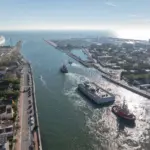
The biggest container ship to call at Hamburg, the 13,800 TEU CMA CGM flagship Christophe Colomb, will visit the German Elbe port regularly from July.
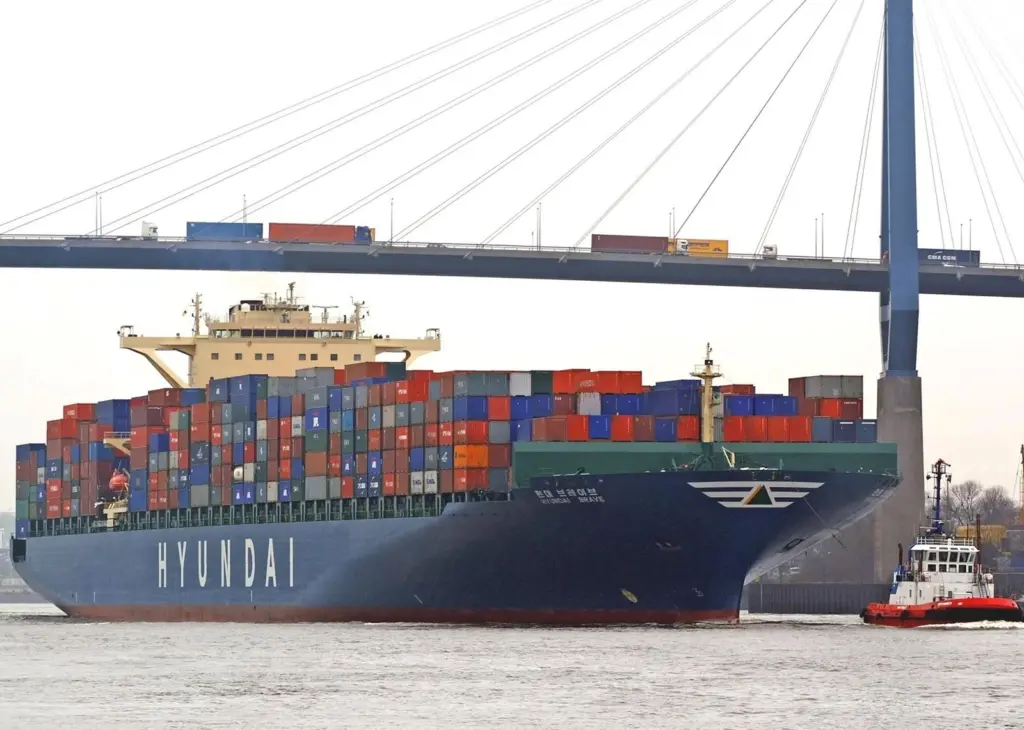
It goes without saying however that with the timetable for crucial Elbe deepening still mired in controversy, it will be unable to do so fully laden.
Debate over deepening, last tackled in 1999, has raged for nearly a decade along the lines of environmental concerns versus economic growth, Hamburg versus Lower Saxony, and jobs versus dyke safety. This is ongoing as the ships have gotten bigger and fewer of them reach Hamburg independent of the tide.
Some port operators and shipowners, who have seen deepening promises made and broken over the years, now believe it will never happen. Klaus-Dieter Peters, head of Hamburg’s biggest port concern HHLA, said as word of the arrival of the 156,800gt Christophe Colomb broke, that constant delays hampered growth and were ‘an ever-increasing burden for the port’.
Confusion mounted in March when Hamburg Economics Senator Axel Gedaschko said the first preparatory step would be undertaken this year after development plan approval. But modifications and objections continue to roll in and even if they are sorted quickly by Hamburg, Lower Saxony and Schleswig Holstein still have to have their say before work can start.
The Senate itself has said the first sod will not be turned until Autumn 2011 and that deepening will be completed by the end of 2013. The Wasser und Schiffahrtsdirektion Nord generally agrees with that, adding that once the first dredgers roll the work will take about 21 months, with shipping getting some initial advantage in 2012.
Plans are to deepen the river’s approach channel from the North Sea to Hamburg by one metre to allow tide independent operation for ships drawing 14.5m. The work will cost the government an estimated €385m, of which the state of Hamburg will pay €137m and Berlin the rest. Already it costs nearly €100m a year to keep the Elbe dredged for shipping and opponents say that would rise dramatically with Elbe deepening. By Tom Todd