![MaritimeJournal[Seawork]](https://www.maritimejournal.com/wp-content/uploads/2026/09/MaritimeJournalSeawork.svg)






Van Oord ensures easier and safer access to North Sea Canal
Dutch dredging and marine construction giant Van Oord has completed a project to deepen the navigable channel of the North Sea Canal in The Netherlands. Now, large ocean going vessels can once again pass each other on their way to and from the port of Amsterdam. A total of 4m m³ of silt was dredged from the North Sea Canal.
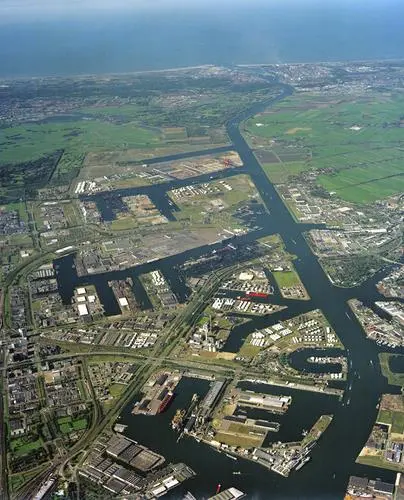
The project took four years to complete and ensures that ships have easier and safer access to the ports. Removing the polluted silt has also improved the canal’s rare brackish aquatic environment. The North Sea Canal is part of the main shipping route leading to northern and western Europe. It also drains excess water from much of the central and western regions of the Netherlands.
The canal’s brackish aquatic environment is of major ecological value. The natural banks at Zuiderpolder and Spaarnwoude are mutually reinforcing, for example, and offer transport corridors for local flora and fauna. In addition to dredging, Van Oord has improved access and safety for shipping in other ways. In 2007, it shortened the spit of land of Middensluis Island by 500m, so that ships can quickly and safely manoeuvre to and from the North Sea Locks.
Working with the Port of Amsterdam, Van Oord also removed an embankment at Zaandam that had survived the demolition of the Hemspoor Bridge and had proved to be a nuisance for ships. The clean silt dredged from the North Sea Canal was deposited into the North Sea (1,555,000 m³).
Slightly polluted silt was stored in pits excavated especially for that purpose in the bottom of the canal (1 million m³). The sand (1.6 million m³) removed to create these pits was used to widen the A2 motorway. More heavily polluted dredging spoil of Class 3 was transported to dredging spoil disposal site De Slufter in Rotterdam (455,000 m³).