![MaritimeJournal[Seawork]](https://www.maritimejournal.com/wp-content/uploads/2026/09/MaritimeJournalSeawork.svg)


E-propulsion course includes battery fire training
A long-awaited approved course for electric propulsion has been published by the Maritime and Coastguard Agency and sent out for consultation.
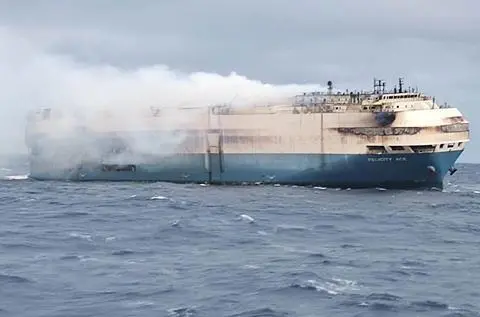
The AEPC1 – Approved Electric Propulsion Course 1 – is a 35-hour course including practical and written assessments relevant for a wide range of personnel that need this knowledge for a career in engineering on small vessels (fishing vessels, yachts, tugs, workboats, standby, seismic survey, oceanographic research vessels and government patrol vessels).
Part 1 will focus on safety, including the use of batteries in hybrid vessels and how to deal with battery fires, and Part 2, which can only be done on completion of Part 1, will look at electric propulsion from a more technical perspective, including shorepower.
It has been written in response to the increase in sophistication of battery technology, electronics and electric drives in today’s small vessel sector, which means more crew training is needed.
“The overall aim is to provide learners with the necessary knowledge, understanding and proficiency to conduct safe and effective operations onboard of vessels already utilising electric drives with battery technologies,” says the MCA.
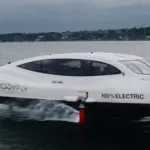
“We’ve been part of this from the start of the year,” said Workboat Association CEO Kerrie Forster. “Current approved engineering courses are mainly focused on combustion engines and mechanical systems supporting those, and if you have a vessel say from Artemis Technologies that’s all electric, it wouldn’t make sense to send someone on that kind of course.
“There are already other merchant marine electric courses, but this is the first one for commercial vessels of smaller sizes.
“The idea is to give people the basic under-pinning knowledge, so they don’t touch live wiring or know what to do if they smell something, or there’s head from the battery system – the fundamental basics.”
The APEC1 Working Group, under the MCA, has also agreed to meet every six months after the course is implemented to make sure it keeps up to date with any other emerging technologies.
Related Articles
 SEAWORK NEWS
 INDUSTRY NEWS
 OTHER NEWS