![MaritimeJournal[Seawork]](https://www.maritimejournal.com/wp-content/uploads/2026/09/MaritimeJournalSeawork.svg)





Maersk signs new deal for biomethanol
A.P. Moller – Maersk is on a voyage to fuel its fleet with green fuels with a seventh deal signed this year.
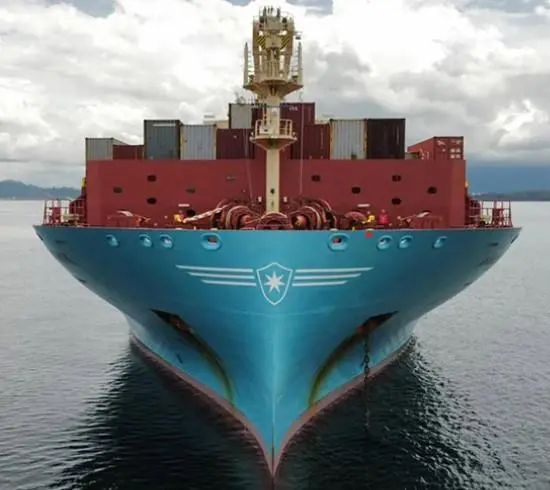
The company has confirmed it has formed its seventh biomethanol partnership, this time with Chinese bioenergy firm Debo.
The Letter of Intent between the two says Debo will develop the biomethanol plant in China with a capacity of 200,000 tonnes a year, to start commercial operation by autumn 2024.
The feedstock for the methanol will be agricultural residues, says Maersk, which will take all of the fuel produced.
”The use of green methanol as marine fuel to replace the existing fossil fuel is ground-breaking in the container shipping history and will strongly promote the development of green shipping,” said Zhang Shoujun, Debo chairman and general manager. ”It is a great honour for Debo to work with A.P. Moller – Maersk to promote the commercialisation of the green methanol industrial chain. I firmly believe that through the cooperation, we are able to realise the commercial production and industrial conversion of green methanol and contribute to reducing greenhouse gas emissions.”
”Maersk has set an ambitious end-to-end net-zero goal for 2040 and the availability of green methanol at scale is critical to our fleet’s transition to sustainable energy,” said Berit Hinneman, head of Green Fuels Sourcing at A.P. Moller – Maersk. ”Partnerships across ecosystems and geographies are essential for the scale-up needed in order to make meaningful progress on this agenda already in this decade.”
The other six green methanol deals that Maersk signed this year were with CIMC ENRIC, European Energy, Green Technology Bank, Orsted, Proman and WasteFuel.
These deals would produce 730,000 tonnes a year of biomethanol by the end of 2025, which would be enough to fuel the 12 container ships currently on order for the firm.
Related Articles
 SEAWORK NEWS
 INDUSTRY NEWS
 OTHER NEWS