![MaritimeJournal[Seawork]](https://www.maritimejournal.com/wp-content/uploads/2026/09/MaritimeJournalSeawork.svg)


Spanish port signs up to EU wind pledges
The Port Authority of Bilbao has joined a host of policy makers and interested parties in signing a charter to commit to wind energy in Europe.

The authority in December signed the European Wind Power Action Plan, which was drawn up by the European Union in December. Its pledges include commitments to:
- · Ensure a sufficient unpredictable pipeline to deploye wind energy
- · Improve consistency of auctions
- · Ensure business process is meet high standards
- · Improve the predictability of demand and supply
- · Monitor and address possible unfair trade practices
- · Scale up wind equipment manufacturing capacity in the EU
Other signatories include the energy ministers of 23 EU countries, more than 300 wind energy companies, and representatives of the European Commission.
Signing the charter is a signal from the port of Bilbao that it will ‘join forces with other signatories to improve the enabling conditions for the European wind industrial ecosystem, and to align and implement its actions with those of the European Commission, member States and the wind sector, thereby demonstrating its commitment to drive and support the port’s customers in their efforts to address the challenges the energy transition poses and to promote this strategic activity in the port of Bilbao’, the port authority said in a statement.
Despite the lip service being paid to the offshore wind industry, it has recently faced many obstacles, with the UK for example not receiving a single bid for its offshore wind auction last year.
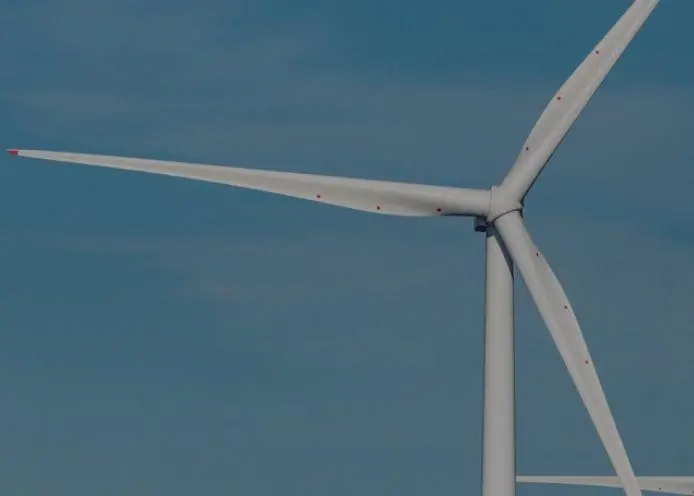
One of the many complaints by investors is the amount of time that permits take to approve, which without indexing in place can mean that the price ultimately paid for any electricity generated might not keep up with market prices, so it makes no sense for developers to risk such a large initial outlay.
“By signing the European Wind Charter, the Member States commit to urgently implement changes in the design and permitting of wind energy auctions, to invest in the European wind energy supply chain and to support the infrastructure required for wind energy expansion,” the Port of Bilbao says.
“They will also be required to rapidly implement the streamlined permitting rules under the new Renewable Energy Directive and to push deployment of the ICT needed for the digitisation of permitting processes; to make more use of pre-qualification criteria in critical areas such as cyber security to raise the bar on which turbines can be built in Europe; to ensure auction prices are indexed to reflect increases in input costs; and to improve long-term visibility by publishing clear auction schedules, and ten-year plans for the expansion of wind energy and a 2040 outlook, amongst other issues.”
Related Articles
 SEAWORK NEWS
 INDUSTRY NEWS
 OTHER NEWS