![MaritimeJournal[Seawork]](https://www.maritimejournal.com/wp-content/uploads/2026/09/MaritimeJournalSeawork.svg)





The Shipping Forecast broadcast turns 100
The UK’s Maritime and Coastguard Agency (MCA) is celebrating the 100th anniversary of the first broadcast of the Shipping Forecast, the well-known and often joked about BBC service that is still in existence and credited with saving thousands of lives.
“Attention all shipping” was an alarm call for seafarers announcing gale warnings by the BBC, often interrupting normal broadcasts and heard alongside the regular Shipping Forecast. It’s more than just another weather forecasting service however, and has become a national institution “taking on a cultural aspect far beyond the maritime world”, according to the Met Office’s archivist Catherine Ross. It is now heard anywhere in the world.
The MCA is responsible for providing Maritime Safety Information to ships at sea including gale warnings and the Shipping Forecast, which are produced by the UK’s Met Office and broadcast by BBC Radio on behalf of the MCA.
Poignant history
On 1 January 1924 the first clipped British tones were heard delivering a weather bulletin called Weather Shipping and although what is now known as the Shipping Forecast came into existence in 1924 it was in October 1925 when it was first broadcast by the BBC.
Its history dates back to 1861, when Vice Admiral Robert FitzRoy developed a telegraphic messaging system to issue weather warnings to ships following the loss of the steam clipper Royal Charter, which foundered in a violent storm off the coast of Anglesey with the loss of more than 450 lives.
FitzRoy was the main influence in the early development of the Met Office, which was then primarily intended to improve safety at sea, Ross saying that the Shipping Forecast has “saved thousands, possibly even hundreds of thousands of lives”.
“It is impossible to accurately predict how many, but it really has been lifechanging for seafarers,” she said.
Distinctive style
It is the Shipping Forecast’s formal style of composition and presentation that sets its apart from other more conventional weather forecasts presented for those perhaps not of a seafaring nature.
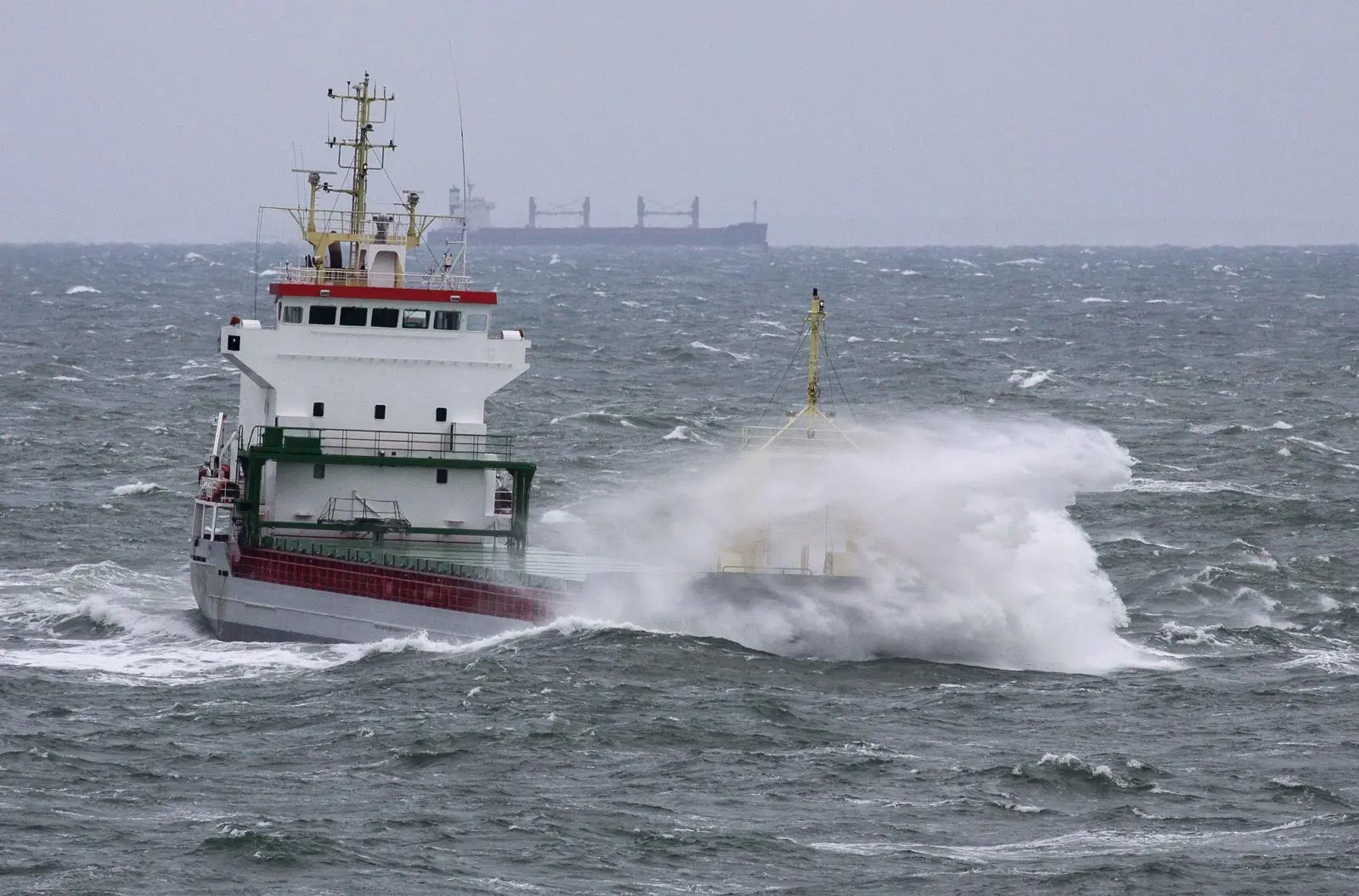
It’s more than just helping people decide if they need an umbrella when they go out. For seafarers it is much more serious: fishing fleets will listen carefully to it on marginal days when skippers are deciding whether to risk their vessels (and their crews’ lives) or stay in port and lose money.
There is also an overlap between those with a professional interest in weather conditions at sea and so-called ‘landlubbers’. For coastal communities, much of their own local weather will be influenced by things as simple as the wind direction and the difference between a lee shore and a weather shore.
During winter months the air above the sea can be warmer than just a few miles inland, with coastal strips often avoiding the worst of frost and snow if the wind is blowing in from the sea.
Broadcasting the Shipping Forecast in this way is still relevant nowadays despite specialist and targeted forecasts and maritime communications moving beyond relying on a slot in the daily broadcast schedule of the BBC. As mentioned, the influence of maritime weather for a relatively small island nation extends beyond the world of the seafarer, with many landlubbers having an affinity with the meteorological language of the seafarer.
“Technology will continue to move on, but that distinctive sound it has will remain for as long as people want it,” says Cox. “It’s almost poetic, almost beautiful, in the way that fixed-pattern forecast is read out. I really like the sound of it and know a lot of people do, it is familiar and it’s a voice from home. In fact, it’s the voice of home.”
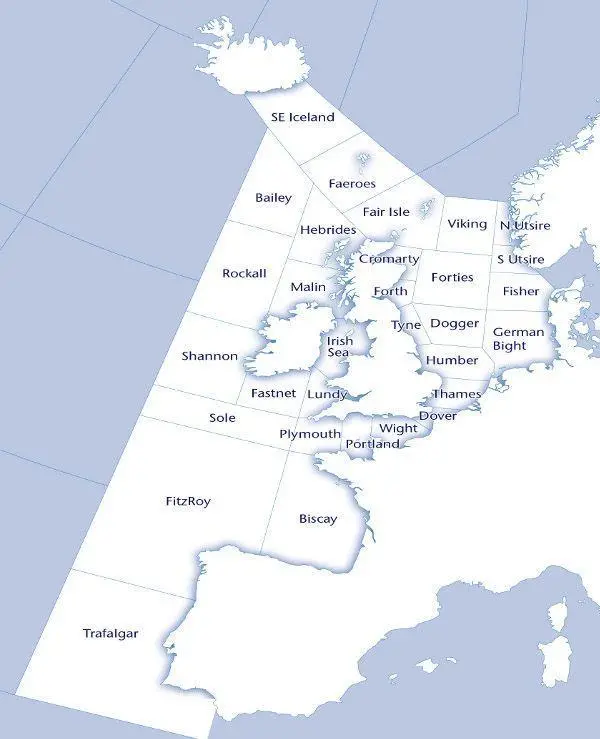
Shipping Forecasts are broadcast on BBC Radio 4 FM and long wave at 00:48 and 05:20 and at 12:01 and 17:54 (normally long wave only) UK times, the bulletins consisting of a gale warning summary, general synopsis, sea-area forecasts and coastal station reports. Gale warnings are broadcast at the first available programme break after receipt.
The broadcast has spawned something of a cult status, with spoof versions produced like the one here, which is read by the announcer Brian Perkins. A series of books about the service itself and exploring the individual sea areas has also been published.