![MaritimeJournal[Seawork]](https://www.maritimejournal.com/wp-content/uploads/2026/09/MaritimeJournalSeawork.svg)






Costly wreck removals
In a new report, international insurer Lloyd’s of London reveals that the increasing size of vessels is causing the costs of the removal of wrecked ships to rise.
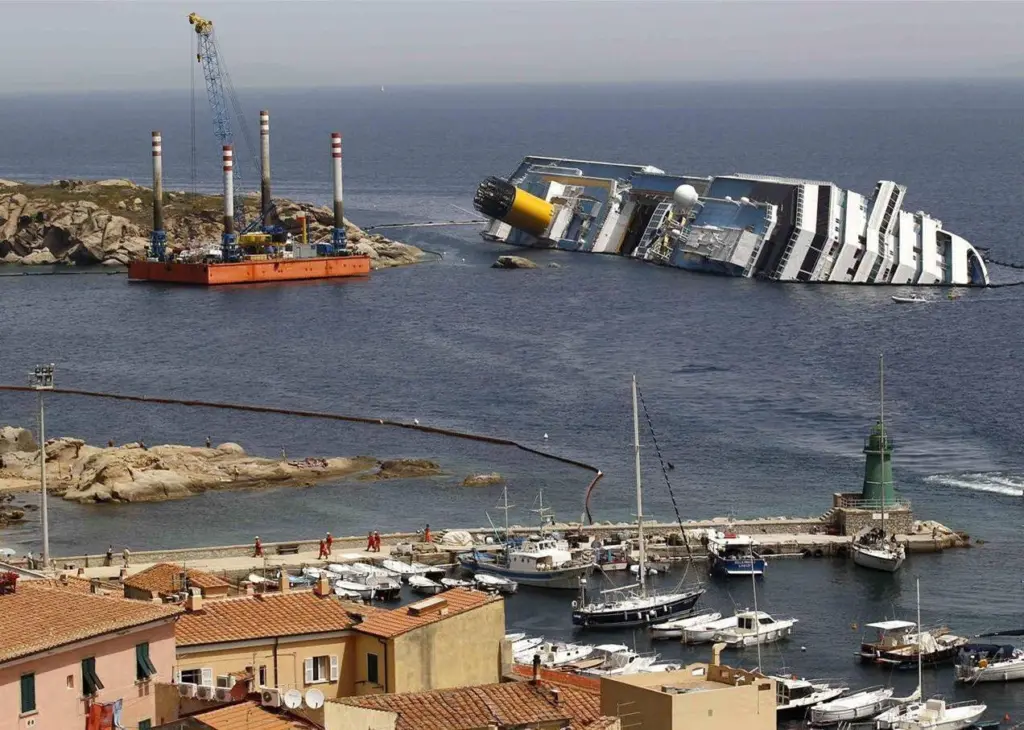
The report, The Challenges and Implications of Removing Shipwrecks in the 21st Century, looks at the regulatory framework of wreck removal as well as the commercial, operational and human considerations.
It reveals that, with some 1,000 serious shipping casualties globally each year, the location of a wreck, including local conditions, and the type of vessel, are important considerations in wreck removal.
As the size of container vessels continues to increase, rising from 5,000 teu capacity in the 1990s to 16,000 teu in 2013, wreck removal operations could potentailly cost vastly more and take longer to complete due to the increased volume of cargo and the more difficult accessbility of a larger wreck. According to the report, this often means the cost is passed to insurers, reinsurers and shipowners.
Recent examples of expensive wreck removals include the container ship, Rena, which sank off the coast of New Zealand in 2011 and has so far cost US$240m and the cruise liner, Costa Concordia, which Lloyd’s says is likely to be the most complex and expensive wreck removal operation of its kind.
The report also reveals that the total cost of the top 20 most expensive wreck removals from the past decade currently stands at US$2.1bn and is set to increase.
Related Articles
 OTHER NEWS
 ACCESSORIES & EQUIPMENT
 ACCESSORIES & EQUIPMENT