BAM wins €33m Rosslare berth upgrade contract
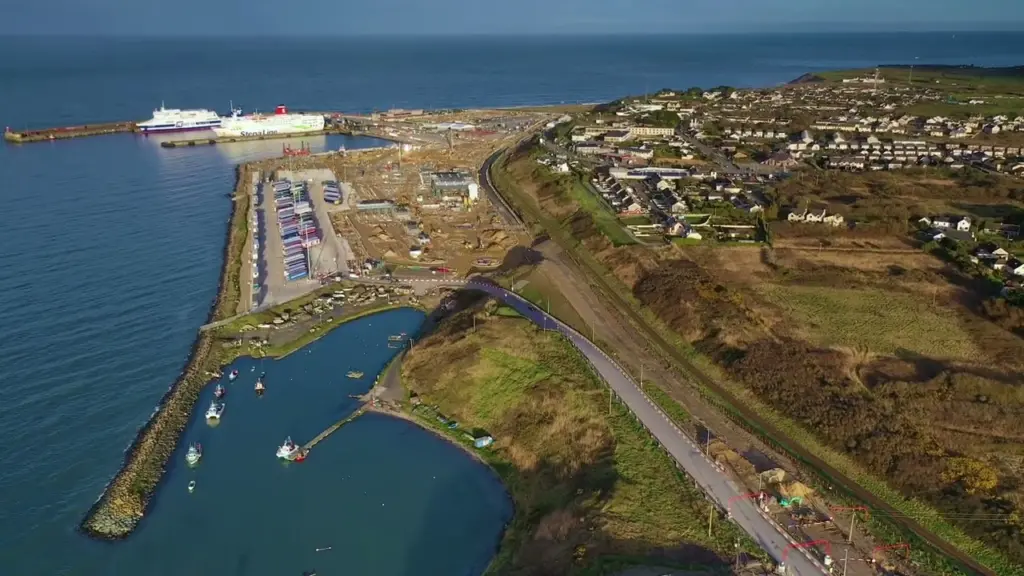
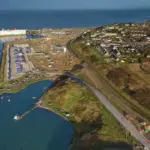
BAM has secured a €33 million contract to upgrade Rosslare Europort in Ireland.
The project, commissioned by Iarnród Éireann, includes a 90-metre extension to Berth 3, improvements to existing berthing facilities and the installation of onshore power supply infrastructure.
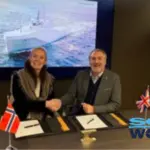
The contract was formally signed on 24 November 2026 and forms part of the €38.5 million Green Drift initiative, a European Union co-funded partnership between Iarnród Éireann and the Port of Dunkirk.
The principal engineering element involves extending Berth 3 to accommodate longer, more modern RoRo vessels. Associated works will include improvements to the existing mooring and fendering systems, upgrades to quayside working areas and modifications to Berth 4 and the port’s marshalling areas.
The project also incorporates the modernisation of existing RoRo ramp infrastructure and the installation of onshore power supply.
The OPS installation is intended to reduce vessel emissions during port calls, while the wider berth improvements will increase operational flexibility and capacity for ferry operators. The upgraded facilities will support the continued development of the Rosslare–Dunkirk route and strengthen the port’s role in Ireland’s direct maritime connections with continental Europe.
John Lucy, Director of Civil Engineering at BAM Ireland, said:
“This development is an important investment in the future of Rosslare Europort and in strengthening Ireland’s connectivity with mainland Europe. Projects like this demonstrate the vital role that high-quality infrastructure plays in supporting economic growth and the transition to a lower-carbon future.”
Mary Considine, Chief Executive of Iarnród Éireann, said the contract would enable longer vessels to operate on the route and support more sustainable in-port operations.
Construction is expected to commence in the coming weeks, with completion scheduled for 2028. Rosslare Europort is to remain operational throughout the construction programme, requiring the marine and civil engineering works to be coordinated around existing port and ferry operations.