![MaritimeJournal[Seawork]](https://www.maritimejournal.com/wp-content/uploads/2026/09/MaritimeJournalSeawork.svg)






Autonomous vessel satellite coordination
A new £1.2m research project will address how traditional manned vessels can co-exist with autonomous systems in shared water space.
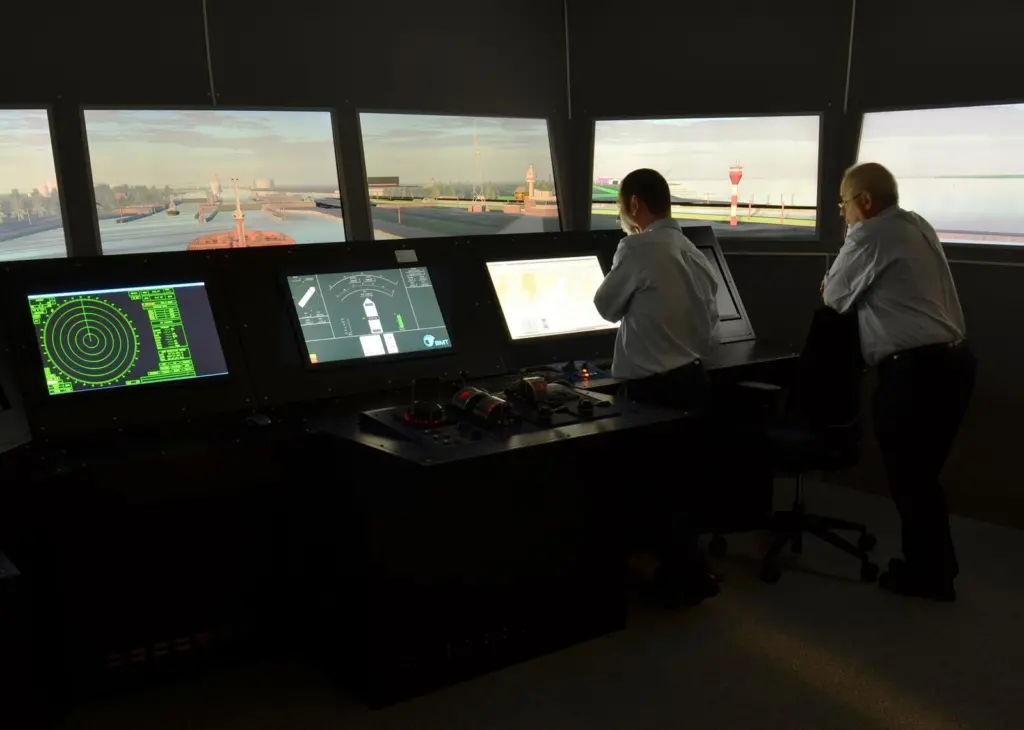
The SWANS (Shared Waterspace Autonomous Navigation by Satellite) Innovate UK-funded project aims to enable, for the first time, beyond line of sight, over the horizon, autonomous behaviour by unmanned surface vessels in areas of congested maritime traffic. It is being led by BMT, in collaboration with ASV Global and Deimos Space UK, which will investigate how the exploitation of existing and future satellite capabilities can contribute to this objective.
Phil Thompson, managing director at BMT, commented: “Currently, autonomous vessels largely use AIS as a collision avoidance tool but remain at risk of colliding with vessels or objects not using AIS.
“Others rely upon waterspace management and the actions of other water users to avoid collisions – neither of which go far enough in reducing the risk of a collision occurring.
“This funding is critical in helping us to overcome this barrier by developing the first ever commercially ready, safe over the horizon operating system for congested waterspaces.”
Four objectives
The project team will focus on four main objectives including: exploiting satellite sensing technology and enabling the delivery of a higher fidelity world model for vessel operators/supervisors; simulating new scenarios for ASV operations; combining, for the first time, ASV Global’s autonomous vessel control simulator and BMT’s REMBRANDT ship manoeuvring simulator into a single suite capable of visualising different datasets in 3D and to evaluate new multi-vessel conflict scenarios in the real-world.
Mr Thompson added: “Bringing best in class expertise together, we will produce the necessary tools to facilitate both improved over the horizon navigation for ASVs, as well as pilot training on how to interact and manage ASVs in congested waterways.”
By Rebecca Jeffrey
Related Articles
 INSURANCE, LEGAL & FINANCE
 EQUIPMENT
 EQUIPMENT