![MaritimeJournal[Seawork]](https://www.maritimejournal.com/wp-content/uploads/2026/09/MaritimeJournalSeawork.svg)





Going to ground, the eLoran alternative
Following reports that our satellite navigation systems are vulnerable to attack from both solar flares in space and the nefarious activities of hackers on the ground comes the news that counter-technology is underway.
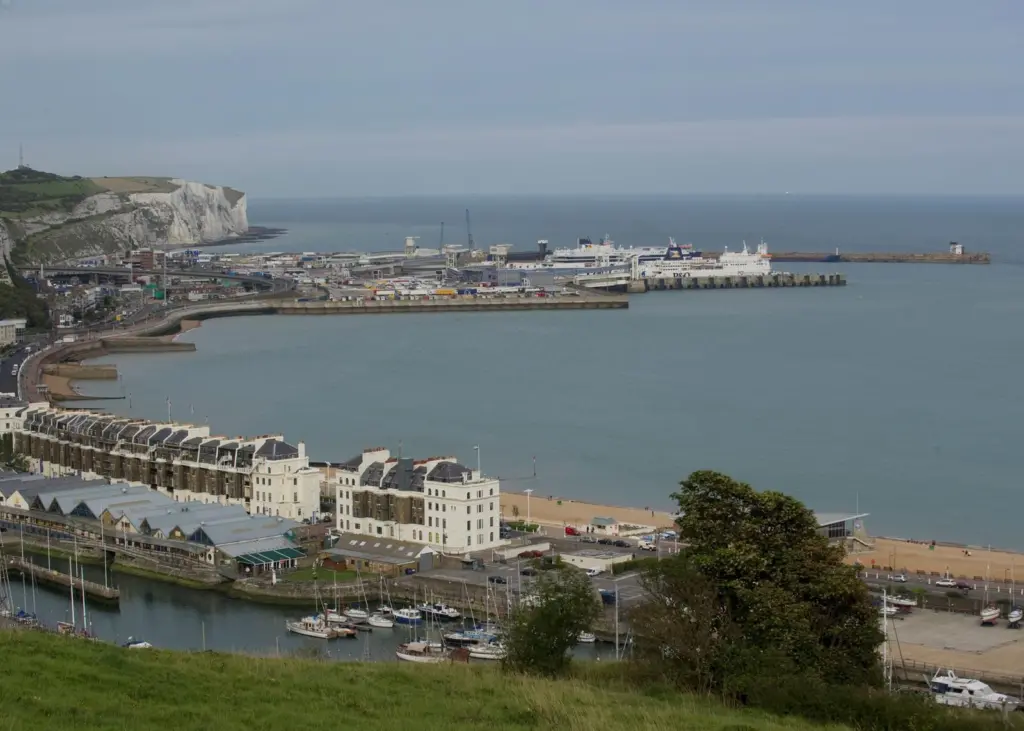
The General Lighthouse Authorities of the UK and Ireland (GLA) have put in place eLoran radio navigation technology around the Port of Dover and its approaches, extending out to part of the Dover Strait. This will provide an important backup to satnav systems like GPS and Galileo.
The ground based eLoran system provides alternative position and timing signals for improved navigational safety. The Dover area, the world’s busiest shipping lane, is the first in the world to achieve this initial operational capability for both passenger and cargo services.
This first deployment represents the start of what may grow into seven eLoran installations to appear along the East Coast of the United Kingdom. These proposed sites include the Thames Estuary and its approaches up to Tilbury, the Humber Estuary and approaches, plus the ports of Middlesbrough, Grangemouth and Aberdeen. The prototype service which was trialled with success at Harwich and Felixstowe will be upgraded.
Although primarily intended as an aid to navigation, eLoran could become a cost effective backup for a wide range of applications that are becoming increasingly reliant on the position and timing information provided by satellite systems.
“Our primary concern at the GLA is for the safety of mariners, says Ian McNaught, chief executive of Trinity House, “But signals from eLoran transmitters could also provide essential backup to telecommunications, smart grid and high frequency trading systems vulnerable to jamming by natural or deliberate means. We encourage ship owners and mariners to assess eLoran in this region and provide feedback to the GLA on its performance.”
P&O Ferries has installed an eLoran receiver on its very large passenger vessel, Spirit of Britain that will be based at Dover.
Captain Simon Richardson, head of safety management at P&O Ferries says, “Accurate real-time positional information is essential for the safe navigation of ships with modern electronic charts. Satellite navigation systems are vulnerable to degradation of signal strength and our ships have also experienced occasional loss of signal. We welcome the development of a robust alternative to provide redundancy in real-time positional information and we see eLoran as the most effective solution to countering the problem.”
Related Articles
 VESSELS
 MARINE CONSTRUCTION
 VESSELS