![MaritimeJournal[Seawork]](https://www.maritimejournal.com/wp-content/uploads/2026/09/MaritimeJournalSeawork.svg)


Solar marine lantern survives extreme testing
The first solar powered marine lantern with a built in ‘ intelligent deployment’ feature aims to make life easy. Because it automatically tunes itself to its location, it protects itself against improper configuration (while also adjusting for a Schmidt-Clausen effect).
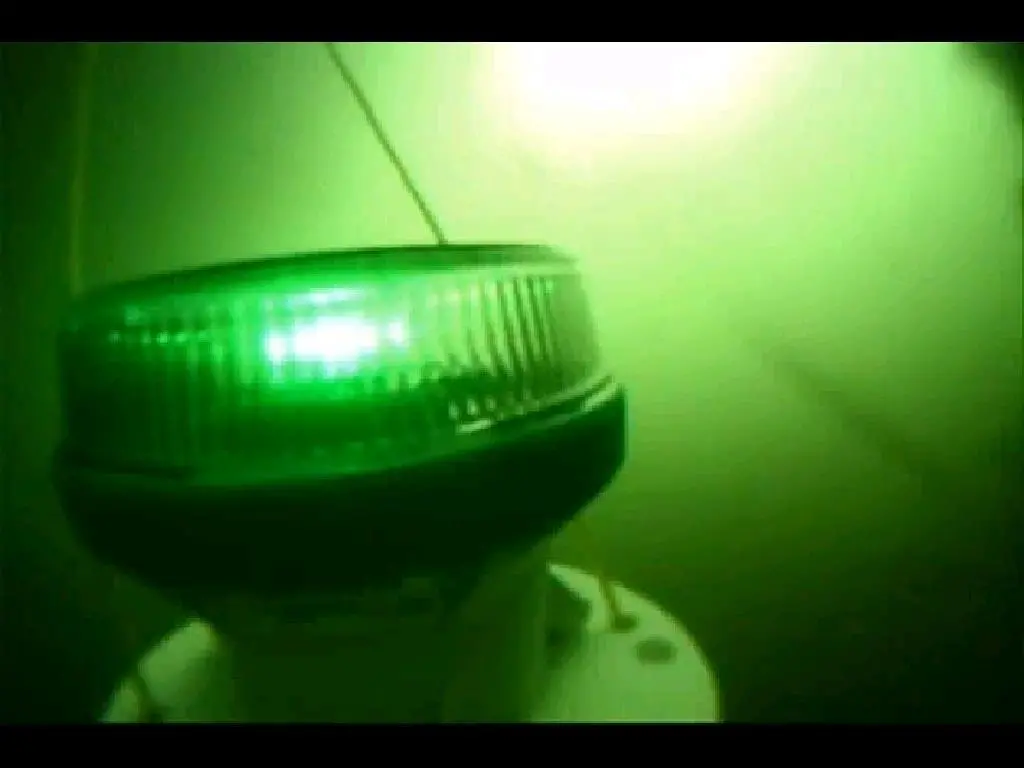
But it is the YouTube ‘extreme testing’ which makes this very low maintenance unit a bit of a star. It is thrown against walls, doused by fire hoses, beaten by baseball bats, submerged, has rocks dropped on it and even has a simulated ‘lightening strike’ of 100,000 volts put through the base, and still it keeps flashing. Canadian manufacturer Carmanah Technologies has designed the unit to be a particularly simple and cost effective alternative all round. It is easy to programme via the housing while the unit also has a convenient USB connection. The M650 lantern provides up to four nautical miles of visibility, making it well suited for many applications, whether this is lighting up ports and harbours, marking obstructions and nautical hazards or illuminating aids to navigation.
Installation is quick and convenient with a secure three bolt mounting mechanism, and the onboard user interface has a numeric display which makes set-up easy. This includes choosing a flash code, setting intensity levels, checking battery health, or even verifying the lantern’s geographic coordinates, as it gives a latitude and longitude readout.
Incorporating an efficient optical design and a peak intensity of 44 candela, the lantern includes more than 256 flash patterns, and can be ordered in all IALA colours; green, red, blue, yellow and white. With no bulbs to wear out, the LED equipped unit can operate maintenance free for up to five years on a single rechargeable (and recyclable) battery pack.
To make the unit an environmentally responsible choice, the solar LED M650 marine lantern is assembled with safe, recyclable materials in strict accordance with the European Union’s guidelines for the Restriction of Hazardous Substances in electronic equipment (RoHS).
To see the video, visit: http://www.youtube.com/watch?v=39wsol8zl3s
Related Articles
 VESSELS
 MARINE CONSTRUCTION
 VESSELS