![MaritimeJournal[Seawork]](https://www.maritimejournal.com/wp-content/uploads/2026/09/MaritimeJournalSeawork.svg)




Coordinated grid could reduce windfarm cost
The UK Department of Energy and Climate Change and energy regulator Ofgem have published a report of interest for the offshore wind energy sector.
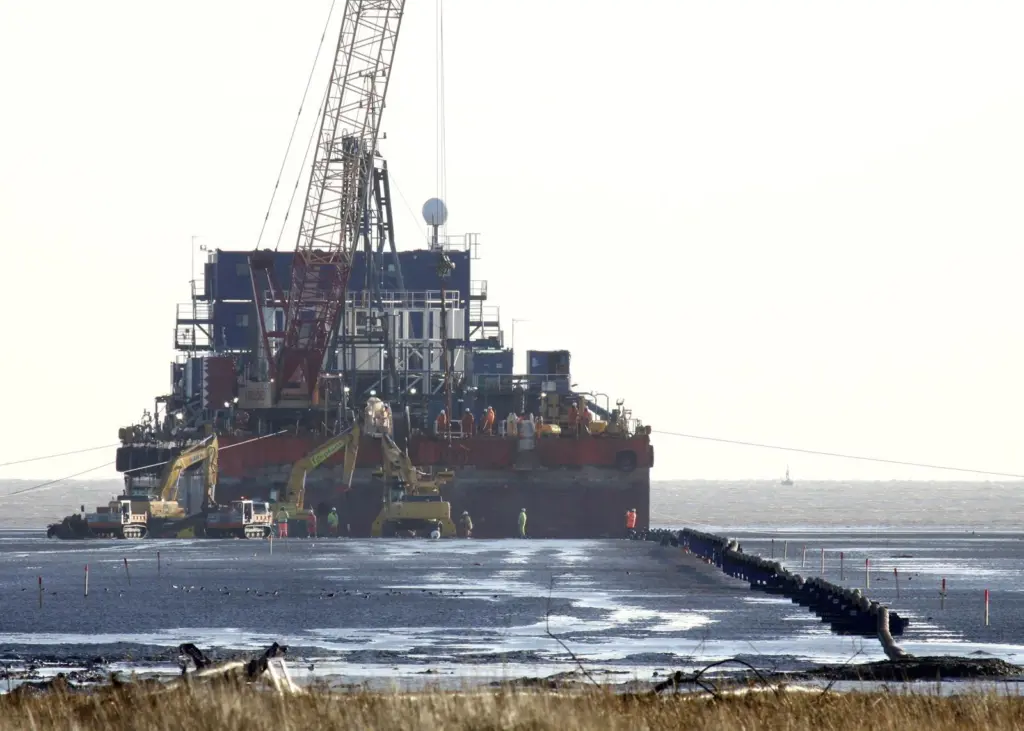
It highlights the role that a coordinated system of linking offshore windfarms together, along with consultation on potential changes to the regulatory regime, could reduce the cost of offshore connections by up to £3.5bn.
Reducing costs is high on the agenda of the offshore wind industry, with the UK government declaring a target of £100/MWh by 2020. An important consideration with the whole concept of offshore wind energy is the design and architecture of the transmission networks, both offshore and onshore, along with the regulatory framework for what is set to become an important element of the energy infrastructure of each country developing offshore wind energy.
Throughout the European community, there is increasing recognition of the potential of integrated offshore networks linking individual windfarms with each other, along with interconnectors between coastal states. The report recognises the financial merits of adopting a coordinated offshore connection approach, rather than the current radial system where each windfarm operates in effect, as an island with no interoperability. Such desires however also have implications for the offshore transmission operator regime, designed to provide security of the transmission system and basically keep the current flowing.
Respondents to a 2010 joint DECC/Ofgem consultation on the offshore transmission regulatory regime, expressed strong support for the principle of a coordinated approach to offshore network development, but felt current incentives may be insufficient to bring about significant levels of coordination in practise. A subsequent project in 2011 considered whether any additional measures would be required to deliver coordinated networks through the competitive offshore transmission regime.
A particular finding is the importance of considering both onshore and offshore transmission networks together for the most economic and efficient design. With the size and geographical location of the Round 3 zones varying significantly, the considerations surrounding a coordinated transmission network would therefore involve a complex mix of various options within and between developments zones, between onshore and offshore infrastructure, and the onshore transmission network and cross-border interconnectors where relevant.
Potential savings are linked to the level of generation, meaning that anticipatory investment risk increases when assets are under-utilised. Important positive features of a coordinated transmission system include the minimised environmental impact from reduced cabling and landing sites in sensitive areas. The potential of minimising planning applications will also be an attractive feature in the quest to reduce costs through a reduction in project timelines.
A factor currently engaging the minds of the industry is the expected adoption of HVDC systems for those projects where conventional AC systems become unfeasible through distance offshore. The report reminds the reader that such technology is not yet commercially available.
By Peter Barker
Related Articles
 OTHER NEWS
 FEATURES & VIDEOS
 MARINE CIVILS