![MaritimeJournal[Seawork]](https://www.maritimejournal.com/wp-content/uploads/2026/09/MaritimeJournalSeawork.svg)






RWE stops Atlantic Array development
German windfarm developer RWE Innogy has announced it has stopped development of its proposed Atlantic Array offshore windfarm in the Bristol Channel Zone, part of the UK’s Round 3 plans.
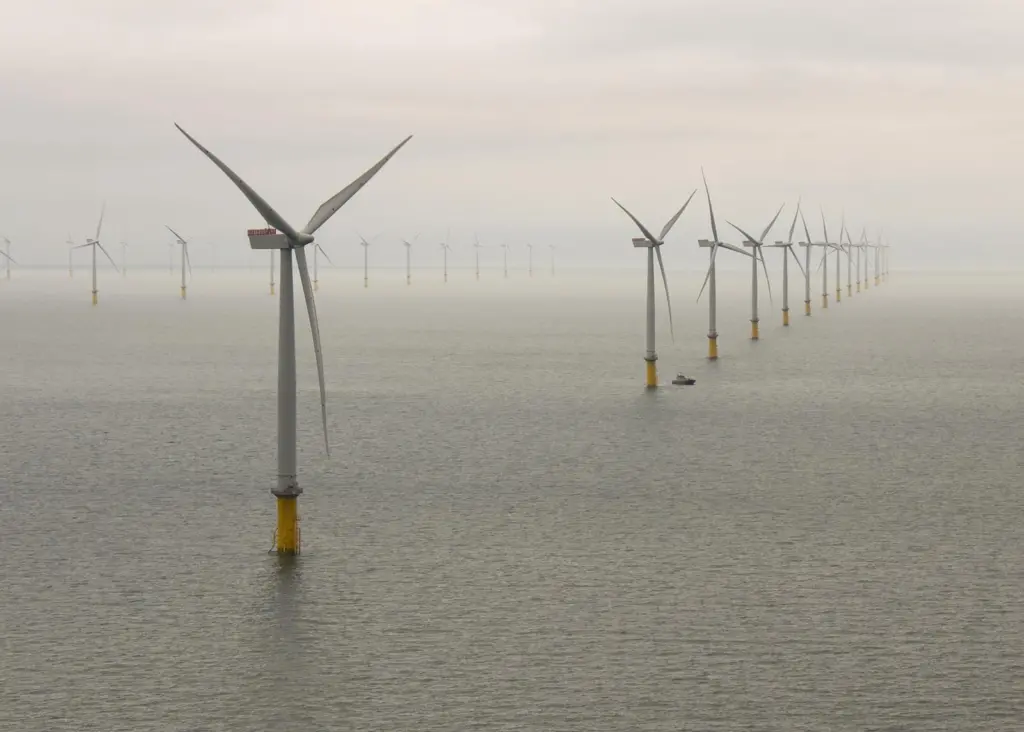
Citing technical challenges including substantially deeper waters and adverse seabed conditions, RWE considers the costs to overcome such technical challenges are prohibitive in current market conditions. The Crown Estate has agreed to terminate the agreement for the Bristol Channel Zone and to surrender the option for the Atlantic Array project, thereby removing RWE Innogy’s seabed rights. RWE has added that it will continue to focus on other less technologically challenging offshore projects within its offshore pipeline, projects totalling up to 5.2GW. RWE’s UK offshore wind investments include the Gwynt y Môr, Greater Gabbard, North Hoyle and Rhyl Flats windfarms.
The decision follows the recent furore surrounding above inflation increases in UK domestic energy prices, with energy suppliers citing government green levies as part of the reason for the increases. A number of hurdles have come along within a short period for the industry but it is important not to lose sight of what has been achieved to date, not to mention projects now in the area of the point of no return.
Just days earlier, Huub den Rooijen, head of offshore wind at The Crown Estate put the debate into perspective, highlighting the remarkable progress over just a decade and a half and pointing out that current government thinking suggests it wants to see between 8 and 16GW of offshore wind capacity installed by 2020. 16GW would see a tripling of offshore wind’s contribution to UK energy.
Mr den Rooijen also points out that imminent conclusion of Electricity Market Reform will force developers to prioritise projects that boast the most attractive commercial opportunities in the near term, moving from a period of unpredictability to more certain times, adding: “The industry is maturing. This means we will begin to see a healthy attrition as the UK pipeline moves from a potential 40GW towards a figure more in line with the Government’s current thinking for offshore wind”. He also considers that the current type of at-scale nationwide engineering programme does not lend itself to firm targets set against specific dates, such as 2020, instead suggesting a long term growth industry with a very promising future in the near term, but also way beyond 2020.
Reflecting on the recent developments, including the abandonment of Atlantic Array, the industry could now be approaching a seminal moment that paradoxically leads to more certainty, a clearer vision for investors and more importantly a leaner and more efficient supply chain, delivering the scale of cost reduction so craved for by government.
By Peter Barker
Related Articles
 OTHER NEWS
 FEATURES & VIDEOS
 MARINE CIVILS