![MaritimeJournal[Seawork]](https://www.maritimejournal.com/wp-content/uploads/2026/09/MaritimeJournalSeawork.svg)






Vestas abandons Sheerness production plans
Danish wind turbine manufacturer Vestas has abandoned plans to build their next generation offshore wind turbine at the Kent port of Sheerness.
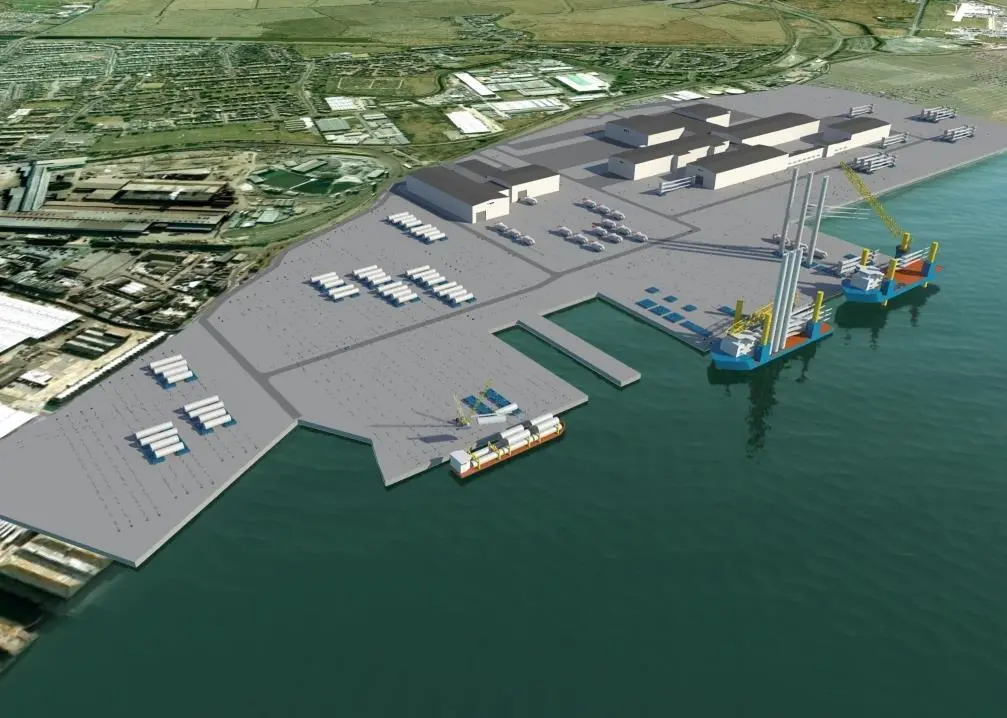
The news will be disappointing for those advocating greater UK involvement in the burgeoning offshore wind industry.
In a joint statement, Vestas and Port of Sheerness announced that further development of the proposed Vestas facility will not proceed “at this stage”. Plans to build the V164-7.0MW turbine at Sheerness were announced in May 2011, potentially creating 2,000 jobs.
All along, Vestas stressed their plans were dependent on clear political and regulatory commitment to offshore wind, together with a steady order stream for the new turbine and they have repeated that proviso stating, “Timing for serial production of the V164-7.0MW will, as earlier communicated, depend on market development and firm unconditional orders from customers”. One report quoted a Vestas spokesman as saying “Such a factory is conditional on concrete orders in our order book and we have not announced any signed orders at this point. We want a good pipeline of orders before we advance further and we do not have that at this point in time”.
Vestas stress that they are still committed to the new offshore turbine, along with their UK presence, in particular the testing and building of the first components for the turbine, including its 80m long blades at their facility on the Isle of Wight.
Vestas and Peel Ports, owners of the port of Sheerness, refused to comment further “for legal reasons”, which led to some speculation locally, but two separate strands to this story have attracted widespread industry and media comment. Firstly, Vestas are currently attracting headlines for perhaps the wrong reasons following changes to their senior management, along with profit warnings and the scrapping of a set of long term financial targets. At the same time, despite positive statements from the UK government, some within the industry are expressing concerns about the offshore wind incentive scheme with the existing renewable obligation certificate arrangement due to be replaced with a feed-in tariff system from 2017. In summary, questions about the government commitment to offshore wind continue to be aired, which will be hanging over those within the industry who have to make the likes of Round 3 happen.
Peel Ports, while expressing disappointment, state they remain firmly committed to the strategy of attracting major renewable manufacturers to the port. Maria McCaffery, CEO of RenewableUK said, “The Energy Secretary recently described the wind industry as of ‘strategic national importance’ and it is vital that all sectors of government work together to secure the tens of thousands of jobs and billions of investment the UK is set to achieve in the next 10-15 years”. It will be interesting to see if this leads to others in the offshore wind industry picking up the phone to speak to the owners of Sheerness Port.
By Peter Barker
Related Articles
 OTHER NEWS
 FEATURES & VIDEOS
 MARINE CIVILS