![MaritimeJournal[Seawork]](https://www.maritimejournal.com/wp-content/uploads/2026/09/MaritimeJournalSeawork.svg)

Tankers under attack – salvors have seen it all before
 Part of our special report
Tugs, Towing and Salvage – Tackling New Challenges · September 2026
All 7 features
Part of our special report
Tugs, Towing and Salvage – Tackling New Challenges · September 2026
All 7 features
As salvors react to commercial vessels becoming innocent victims of conflict in the Gulf region, Peter Barker reflects on how the industry dealt with a similar but far greater Iran/Iraq war of the 1980s.

So much of the background has changed over 40 years but one thing that has not is the maxim ‘the first casualty of war is the truth’, making the gathering of reliable information extremely difficult.
The shipping industry is understandably cautious reporting news with legal considerations in normal times, let alone during situations involving armed conflict. And it is the expertise and hardware of the commercial salvage sector who the affected parties turn to for containing and recovering from incidents when their vessels become victims of war.
European involvement
The International Salvage Union’s latest newsletter provides news of at least two of Europe’s leading towage and salvage contractors responding to casualties in the Strait of Hormuz region.
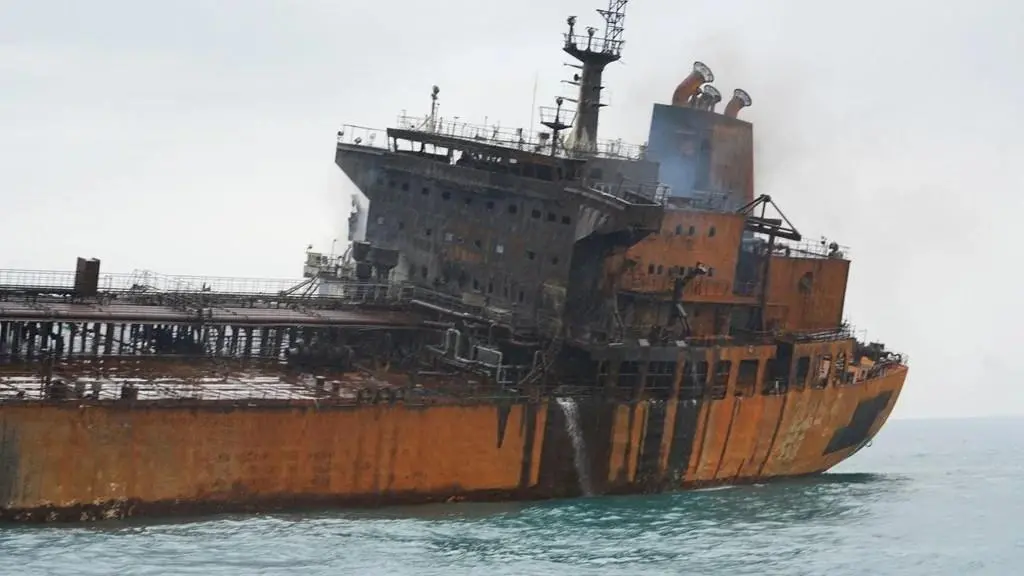
Greek salvor Tsavliris was engaged in salvage operations after the tanker Safesea Vishnu, laden with 53,000t of naphtha, was struck by an Iranian missile off Khor Al Zubair, Iraq while conducting ship-to-ship transfer operations with the products tanker Zefyros. Catastrophic fires led to severe structural damage to both vessels and one seafarer was killed.
In June, Netherlands-based SMIT Salvage was requested by owners to tow a stranded vessel from the Strait of Hormuz to Oman. A salvage team was mobilised from Oman and transferred to the vessel and following initial inspection and preparations for towage it was then towed from the Strait in the direction of Oman.
Salvors are used to heading into danger when the crews of stricken vessels understandably head the other way. Carrying out necessary risk assessments are part of salvors’ procedures when planning operations so that risks, including the vessel’s condition and the weather, can be managed.
Assessing unknown risks from potential military intervention presents different challenges, however, particularly when the salvage operation itself becomes a target, such as the UAE-flagged and owned 2012-built tug Mussafah 2, which was tasked to assist the container vessel Safeen Prestige.
Mussafah 2’s crew abandoned their vessel after it was damaged by two projectiles. An explosion and fire followed on the tug, which then sank, and the IMO reported that four crew members died and three of the remaining crew were seriously injured. The IMO strongly condemned the attack.
Attacks on crude oil and products tankers are obviously potentially serious but understandable concern followed when the Qatari LNG tanker Al Rekayyat fell victim to a projectile strike while off the coast of Oman.
Despite a fire, the cargo tanks remained intact with the crew safely evacuated and industry reports suggesting salvage teams were assessing the risks from further attacks before committing tugs and specialist teams to the scene.
The incident drew parallels with the partially burnt-out and abandoned LNG tanker Arctic Metagaz, which fell victim to a separate conflict and was left drifting around the Mediterranean Sea for a number of weeks, the ownership and responsibility for salvage unclear.
History not quite repeating itself
Before making comparisons with the now Gulf conflict of the 1980s, it is worth pointing out some differences.
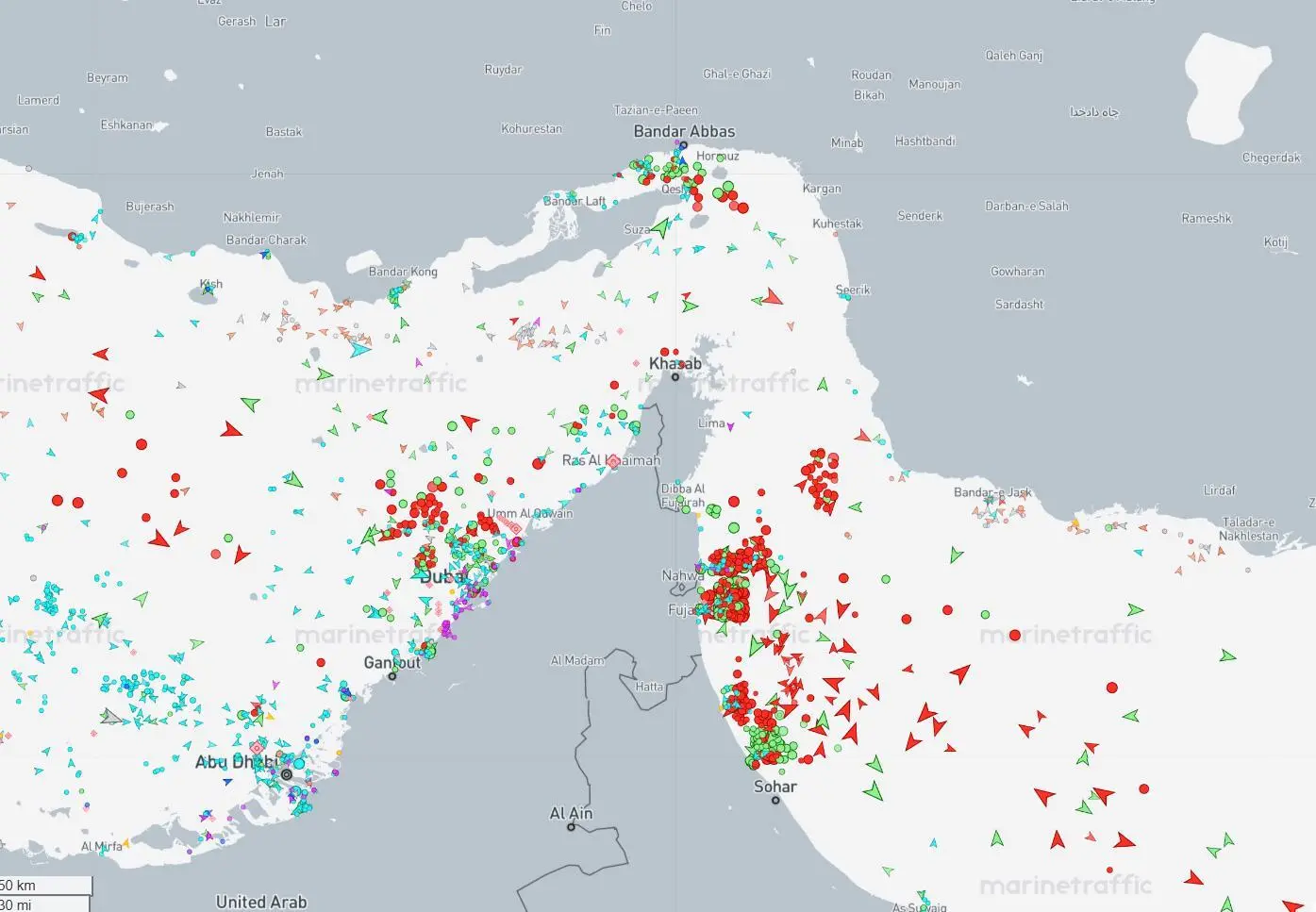
Traffic through the Strait of Hormuz came to a virtual halt just two weeks after the joint US-Israeli attack on Iran in February 2026, and while peace is yet to be achieved it is reported that both the US and Iran are keen to end the conflict.
The Iran/Iraq war started in 1980 and lasted just shy of eight years, both countries deliberately targeting tankers to damage each side’s ability to fund the war through oil exports. The aim of the current conflict, however, is reported as being to pressurise the global economy generally by choking off oil exports.
Information about the current conflict is sketchy but it is reported that so far around 20 vessels have fallen victim to various forms of attack. During the eight years of the earlier war, when the so-called ‘Tanker War’ lasted some four years, around 450 merchant ships were attacked, dozens of which were sunk or declared total losses.
Other than Mussafah 2, no vessel sinkings have been reported so far in the current conflict. In the Iran/Iraq war, more than 400 seafarers were lost.
Damaging oil exports through the targeting of tankers was the aim then, today’s targets are ships of various kinds carrying differing cargoes to reflect the importance of the Strait of Hormuz in global trade patterns.
Different technology
The world was technologically far different 40 years ago. The nature of warfare has also changed: the 1980s attacks were from fast attack boats and aircraft, it was then, along with the 1982 Falklands War, when the French-built Exocet missile appeared. Tankers suffered badly when targeted by Exocets, often resulting in explosion, fire and subsequent total loss.
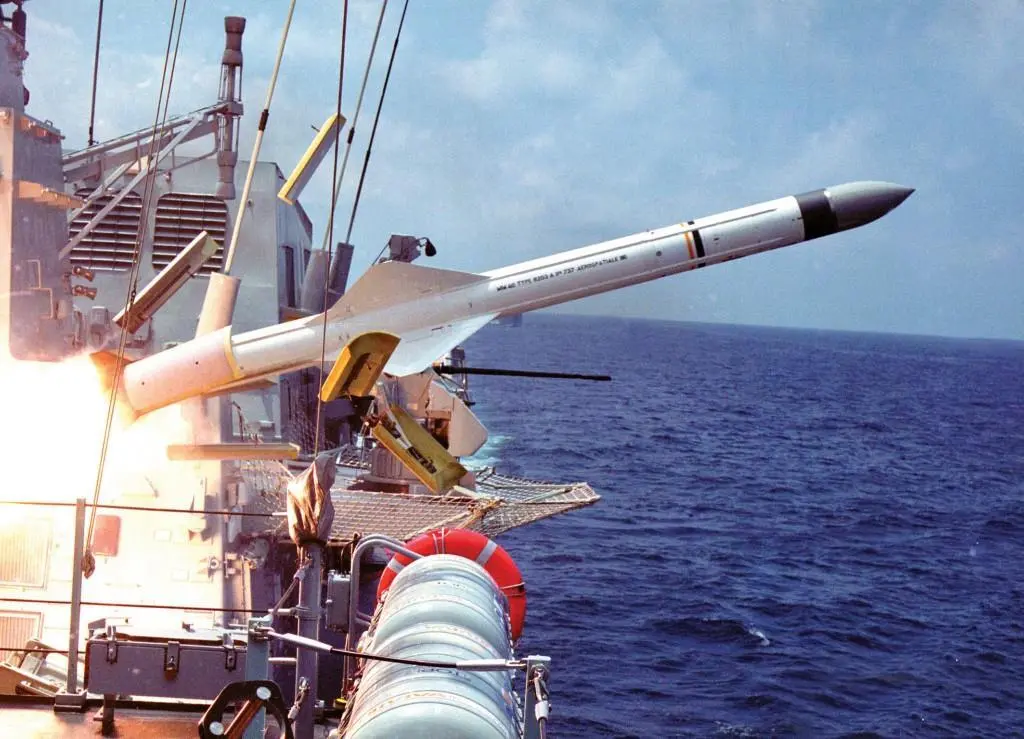
Military hardware is different today and includes precision anti-ship missiles and one-way attack drones. Satellite surveillance and electronic warfare also play a part.
Merchant ships hit by relatively smaller munitions result in (relatively) less damage, sometimes restricted to engine rooms where the vessel, while disabled, remains intact.
The consequences are the same, reducing the likelihood that shipowners will risk their vessels and crews in what is still a war zone. Whatever the result, be it a disabled vessel otherwise intact or a tanker suffering catastrophic explosion and fire, professional salvage assistance will still be needed to recover the vessel and cargo.
The world of salvage is also a lot different today compared to 40 years ago. Advances in the shipping industry in general, including training and shipboard operations, have seen a gradual reduction in ship casualties.
Since the 1980s, many of the established salvage companies with long and distinguished histories have either disappeared completely or been absorbed into larger companies offering a greater range of services.
Similarly, those who do still exist often no longer have their own large fleets of ocean-going tugs and salvage vessels that they can call on for their own operations. Those involved in the Tanker War during the 1980s can often be identified in photos showing the names of their own tugs and salvage vessels in attendance.
Salvors still need an inventory of specialist equipment, of course, but are more likely to look to subcontracting tugs and other vessels close to the scene of the incident. For salvors, it is their expertise and experience that they sell, perhaps just as important as the physical elements.
As the industry transitioned to this new way of working the often misunderstood term ‘yellow-pages salvor’ was coined, describing contractors who had the expertise but not always the hardware. The reality is probably somewhere in between, reflecting how global communications and connectivity allows salvors to contribute by gathering information and passing on specialist advice remotely to a greater degree.
At the end of the day, the physical presence of salvage teams, specialists from various disciplines, their innovation and a powerful tug nearby, will never be replaced.
And it is the expertise and hardware of the commercial salvage sector who the affected parties turn to for containing and recovering from incidents when their vessels become victims of war.