![MaritimeJournal[Seawork]](https://www.maritimejournal.com/wp-content/uploads/2026/09/MaritimeJournalSeawork.svg)






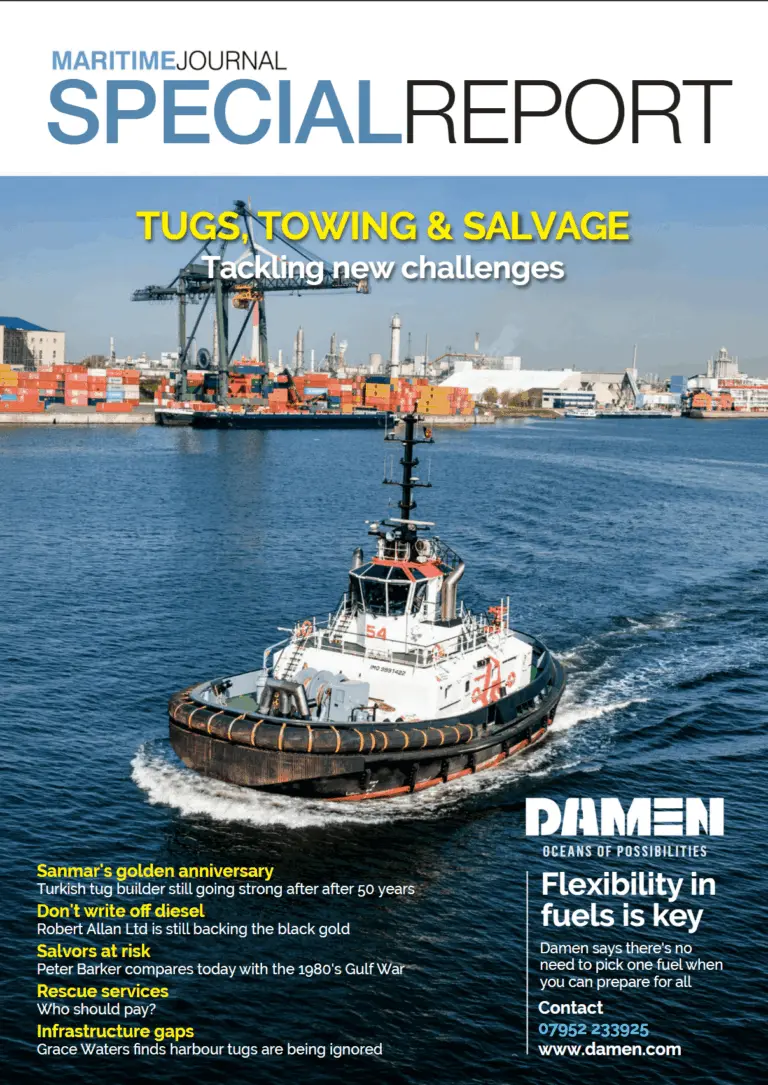
Tugs, Towing and Salvage – Tackling New Challenges
Tugs: The changing role of the workhorse
Tugs have always been essential to the safe and efficient operation of ports, but the demands being placed on them are changing rapidly and the sector is being pulled in several directions at once.
Decarbonisation, new propulsion technologies, tighter regulation, geopolitical tensions and questions over emergency response are forcing towage operators and port authorities to reconsider what their fleets need to deliver.
This special report examines those pressures from several angles, from the development of new tug designs and alternative fuels to the increasingly strategic role of emergency towing and salvage.
On the growth side, ITS data shows 177 port tugs and river vessels were delivered globally in the first half of 2026, continuing a steady rise from 2024 and 2025. Newbuild orders feature throughout. Antwerp-Bruges has ordered six Damen RSD Tugs including its first fully electric vessel; Svitzer has signed its first contract with India’s Swan Defence and Heavy Industries for four TRAnsverse tugs; and Kotug has launched what it calls the world’s first purpose-built dual-fuel methanol escort tugs for Canada’s Trans Mountain project.
Electric and alternative-fuelled tugs are a recurring theme, but the transition to cleaner propulsion is far from straightforward.
Grace Waters, for example, examines why Europe’s port electrification drive, built around large vessels’ steady power draw, is poorly suited to harbour tugs’ short, intense bursts of energy demand, leaving operators caught between batteries, hydrogen and methanol with no clear winner.
But could Damen have found the answer to the fuel dilemma? We speak to the vessel designer about its fuel-flexible tug range, which seems to cater for all; but is it even necessary? Across the Atlantic in Canada, Robert Allan Ltd admits that up to 95% of its new designs are still designs for diesel.
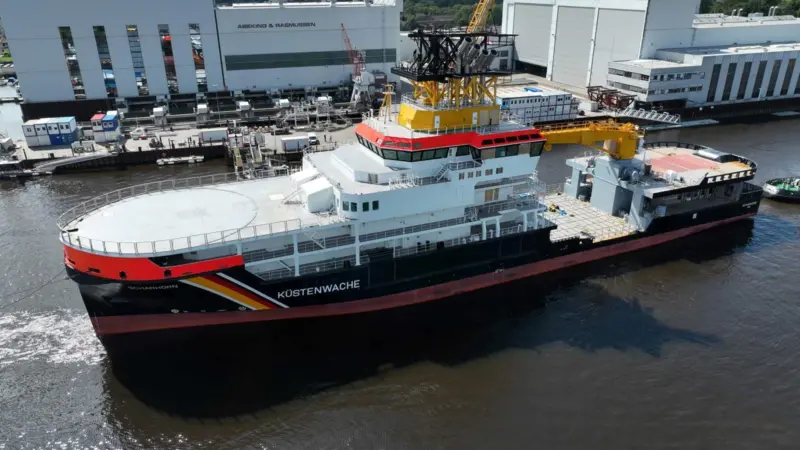
We also couldn’t ignore the crisis of our times, namely the war in Iran and attacks in the Strait of Hormuz and salvors’ response to tankers in the region. Peter Barker draws comparisons with the much larger ‘Tanker War’ of the 1980s.
From alternative fuels and electrification to salvage, emergency response and security, the report shows that the tug is evolving from a relatively simple harbour workhorse into an increasingly sophisticated and strategically important part of the maritime infrastructure.
Enjoy reading.
Debbie Mason
Editor, Maritime Journal
dmason@maritimejournal.com
In this report
 SPECIAL REPORTS
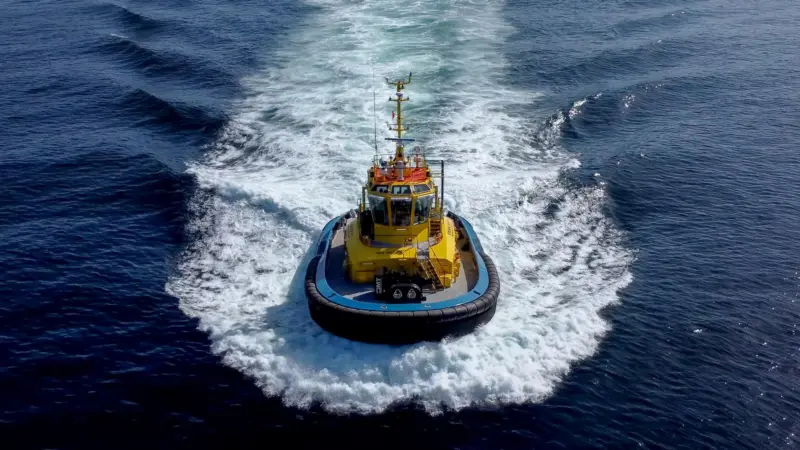
10 questions for Sanmar in its 50th year
 SPECIAL REPORTS
 SPECIAL REPORTS
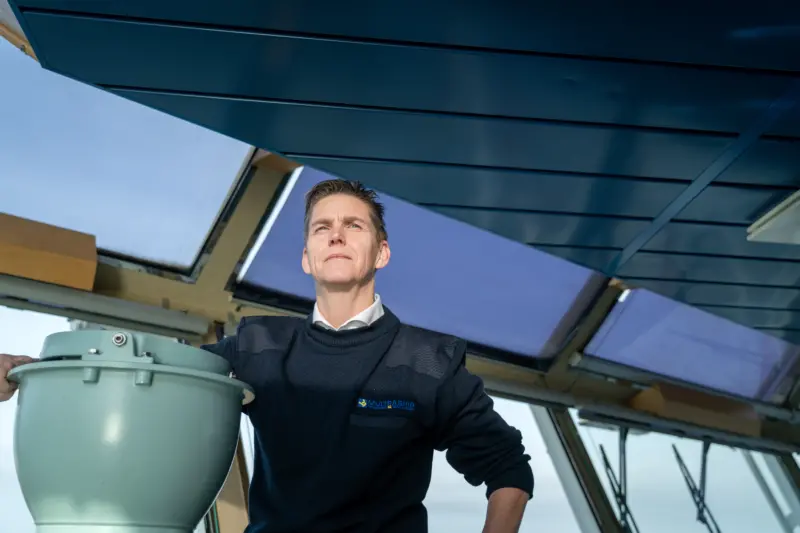
Fractured future: Harbour tugs face unprecedented challenges
 SPECIAL REPORTS
 SPECIAL REPORTS
No need to pick tomorrow’s fuel – just prepare for it: Damen
 SPECIAL REPORTS
 OPINION