![MaritimeJournal[Seawork]](https://www.maritimejournal.com/wp-content/uploads/2026/09/MaritimeJournalSeawork.svg)




Reefs under threat
It seems that shipping activities are partly to blame for the endangered state of the world’ s shallow coral reefs. Vessel anchors can drag for considerable distances, breaking up coral structures that took hundreds of years to build, and boat groundings cause devastation.
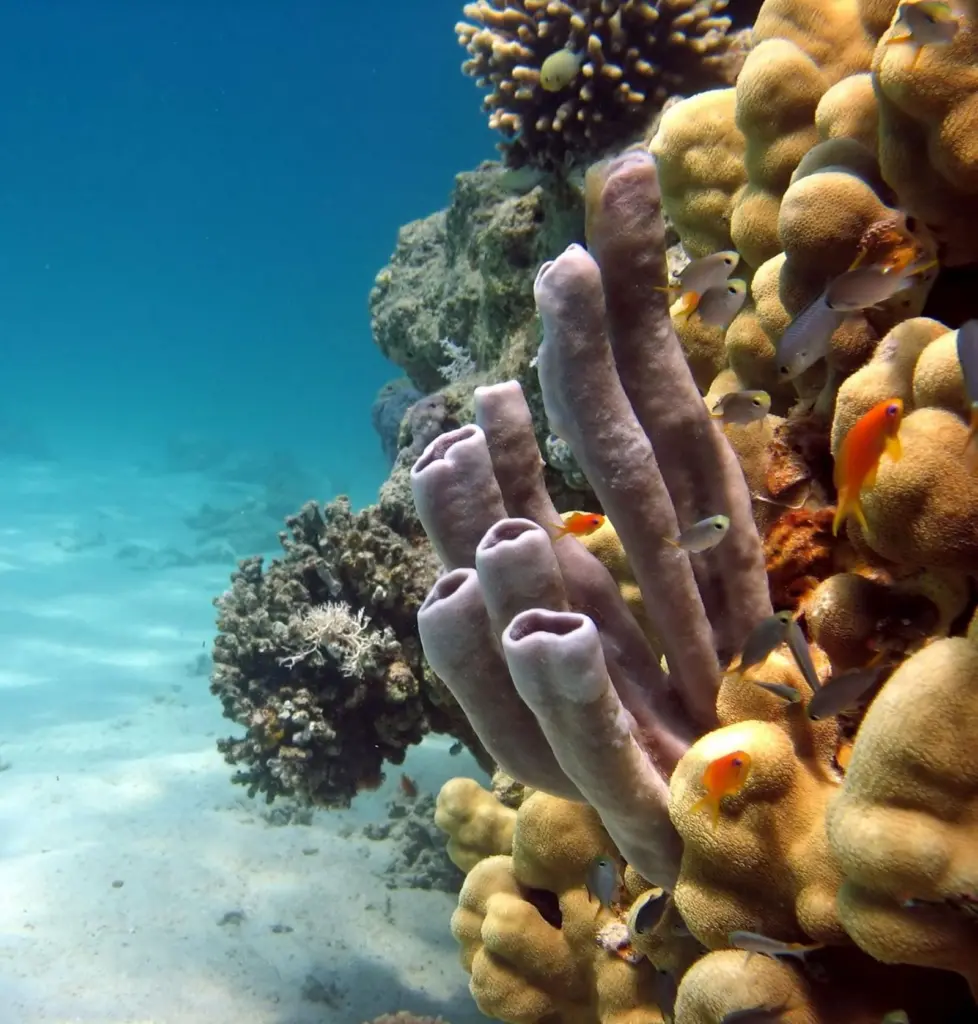
A report out this week says that at least a quarter of the planet’s reef-building corals face a noticeable risk of extinction, according to the first large scale review of hundreds of species says marine biologist Kent Carpenter of Old Dominion University in Norfolk, Va.
While some of the threat to the reefs are more global, coming down to things like C02 emissions which changes surface water chemistry and weaken structures, ‘local’ threats can be linked with vessels movements as well as port and coastal developments, which cause movements of sediment and pollution build up that corals are particularly susceptible to.
The area with the highest proportion of vulnerable species is the so-called ‘Coral Triangle’, which covers waters off Indonesia, Malaysia, the Philippines, Papua New Guinea, the Solomon Islands and East Timor. The area is notable for being the site of fast-growing emergent economies which are dependent on the rise of international ports and shipping – regrettably they also have a bad track record for pillaging reefs of their goodies. And, although there are 1,000 marine protected areas (MPAs) within the Philippines, only 20% are functioning.
Unfortunately, it is not just a matter of the impact on biodiversity: coasts could lose storm protection and other ecological benefits healthy reefs provide. Carpenter and his co-authors warned in the US journal Science that reef breakdown would have ‘huge economic effects on food security for hundreds of millions of people dependent on reef fish’. As fishing grounds, reefs are thought to be 10 to 100 times as productive per unit area as the open sea. In the Philippines, an estimated 10-15% of the total fisheries come from coral reefs.
In the audit’s regional view, Caribbean reefs have the largest proportion of corals in the most threatened categories, the paper shows. ‘I used to dive in the Caribbean — the reefs were gorgeous,’ Carpenter says. ‘Now, to use a technical term repeated frequently around here, they’re toast.’
Related Articles
 ACCESSORIES & EQUIPMENT
 ENVIRONMENT
 MARINE CONSTRUCTION