![MaritimeJournal[Seawork]](https://www.maritimejournal.com/wp-content/uploads/2026/09/MaritimeJournalSeawork.svg)




CleanHull on the move
Norway based CleanHull is planning to open a new station for its environmentally friendly CleanHull hull cleaning system in Rotterdam.
Arne Willumsen, general manager at CleanHull,said, ‘We have to demonstrate the environmentally friendly aspects of the system to the Dutch Rijkswaaterstaat, who control operations in the port of Rotterdam. CleanHull has identified local companies who can partner us in providing a CleanHull service to the 33,000 seagoing vessels which use Rotterdam each year. When the authorities are happy that the system will not create adverse environmental effects in the water column, CleanHull hopes to open a Rotterdam cleaning station in May 2011.’
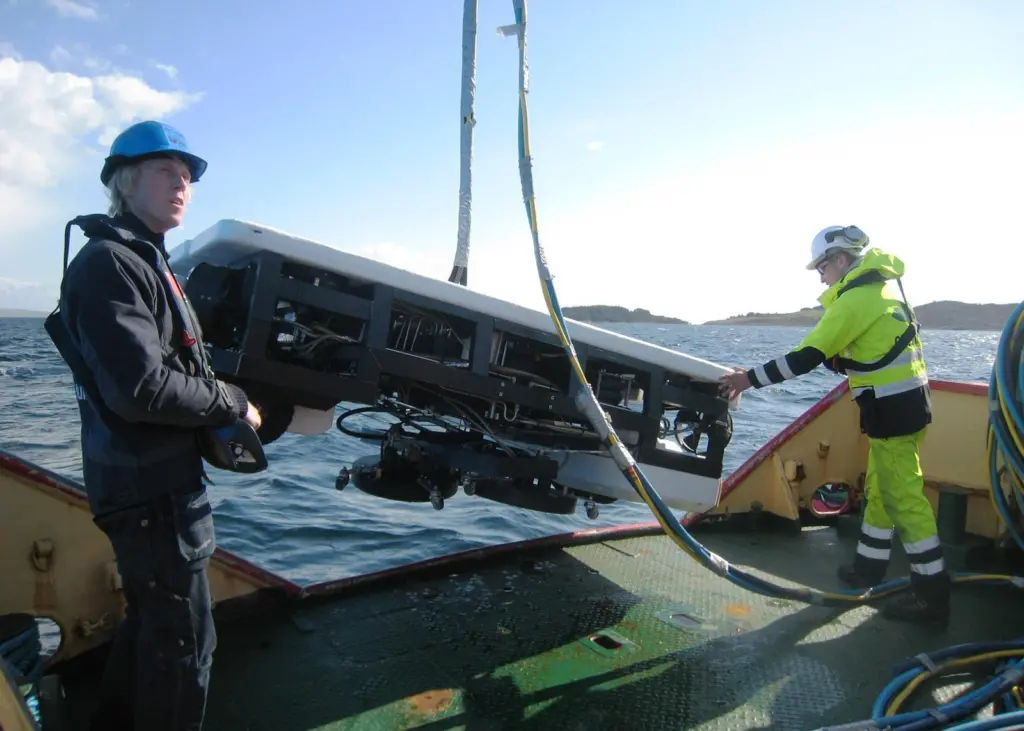
CleanHull uses a brushless technology deployed with an ROV from a service boat to provide underwater cleaning services. CleanHull claims that a major advantage of the system is that it does not brush debris into the water column, as the hull fouling displaced by the high pressure water jets can be sucked back into a filtered pipe and captured on the service vessel.
‘We use the system in the pristine waters of western Norway and service all the Statoil vessels, for example,’explained Willumsen. ‘Because there are no brushes, the system cleans without damaging the anti fouling paint, and at the same time it does not damage the water around the ship. That will mean that we can use it in rivers and harbours in Rotterdam, which will bring the technology within the reach of a wide range of vessels.’
In November, a full machine and back-up equipment were loaded onto a truck and driven 1,700 km from Bergen to Sørreisa, Troms, in the far north of Norway. There a team cleaned the 182 m LOA Ark Forwarder, a Stena Line ro-ro vessel. It was the first time the equipment has been used from a truck and pier rather than a support vessel and the first time the team had cleaned a vessel so far north and in snowstorms and temperatures down to 15 degrees below zero, helping to prove the versatility of the system.
Related Articles
 OTHER NEWS
 MARINE CIVILS
 MARINE CIVILS