![MaritimeJournal[Seawork]](https://www.maritimejournal.com/wp-content/uploads/2026/09/MaritimeJournalSeawork.svg)

Antwerp-Bruges grows its green tug agenda
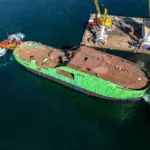
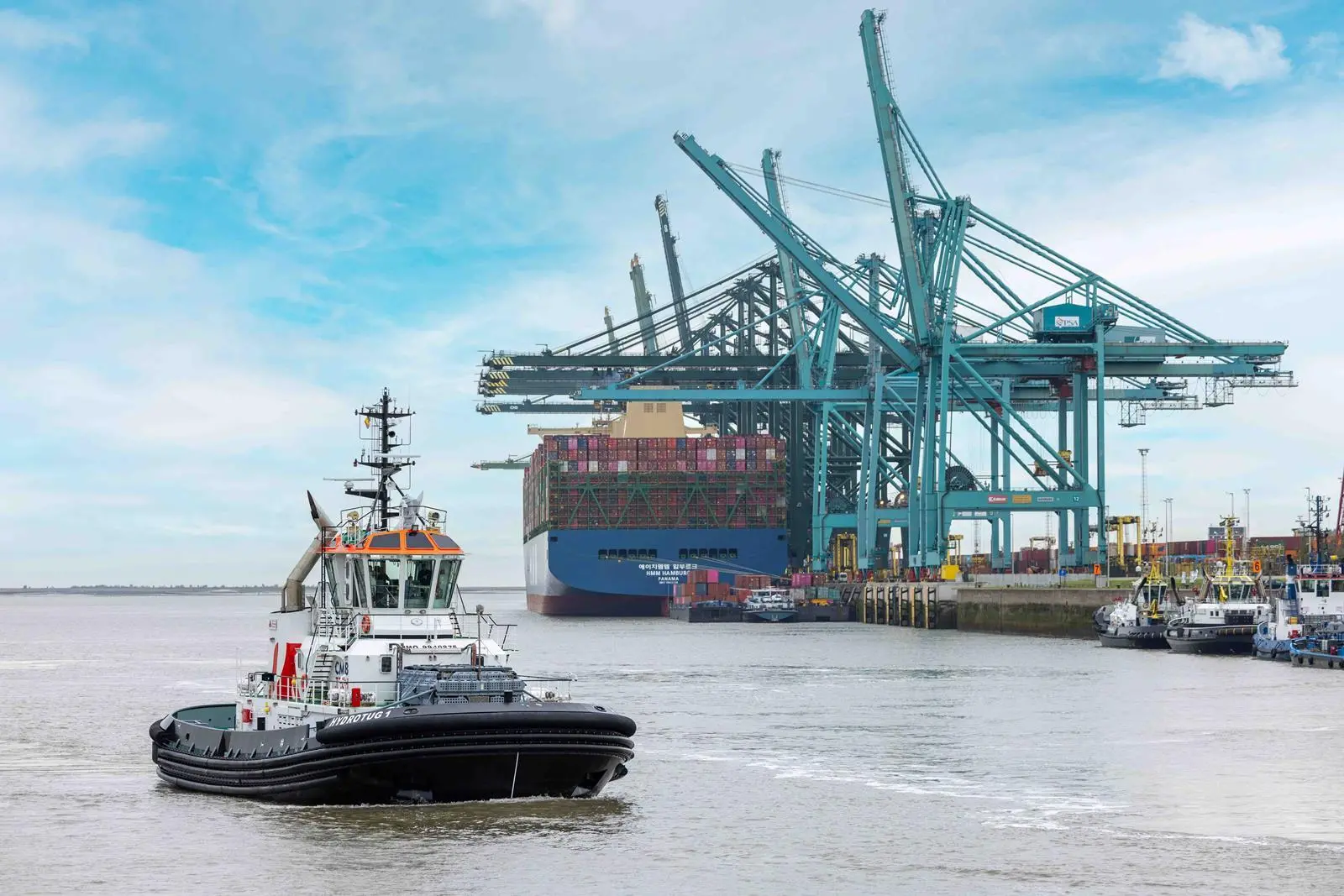
The news that Port of Antwerp-Bruges has introduced the world’s first hydrogen-powered tug after an earlier order for new vessels is the latest signal to tug operators that ports are heading for greener operations.
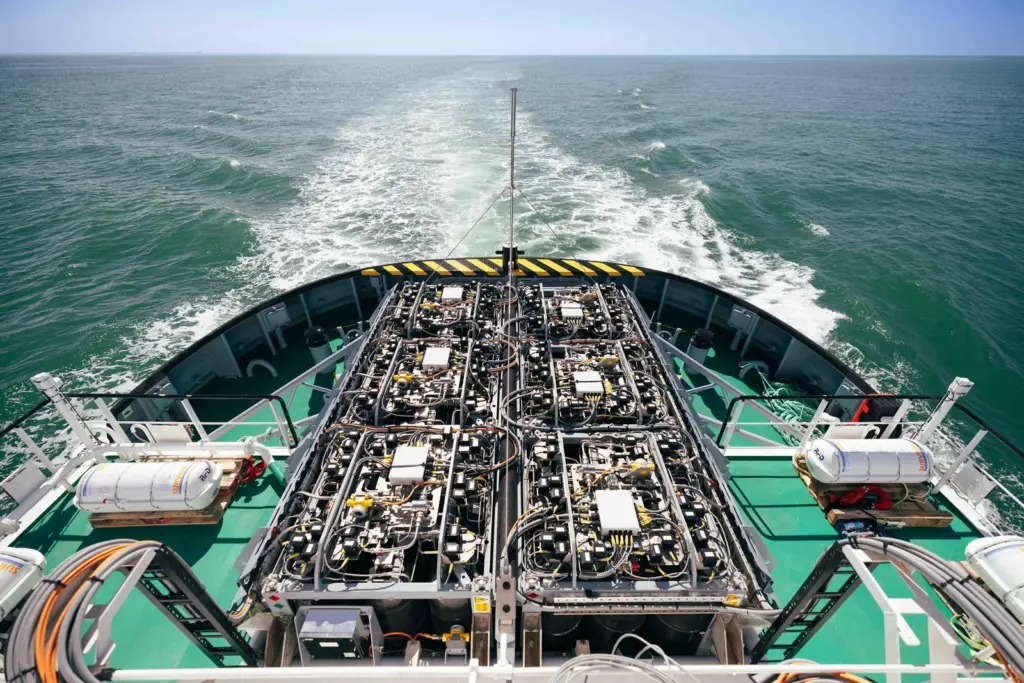
Shiphandling tug owners have a variety of choices to explore so-called ‘green fuels’ to power their new vessels. There appears to be little or no consensus and certainly no ‘one-size-fits-all’ option, and the vessel’s operational profile and local availability of the fuel itself are some of the considerations.
Port of Antwerp-Bruges is rather unusual in that it operates its own tugs within the port itself along with others including Boluda Towage and Antwerp Towage NV, a JV established in 2008 between Fairplay Towage and Multraship Towage & Salvage.
The port itself has around 20 tugs in its fleet, which provide all towage services before and behind the locks. The tugs are generally manned by a crew of three, with typical operations involving assisting ships to and from the locks to their berths.
Varying the green fleet
There are a number of options available for tug operators and owners when considering alternative fuels. Hydrogen, methanol and ammonia will obviously require a reliable and reasonably local source of supply, and the same applies to LNG, which also has strict regulations affecting the tug’s construction and operation.
The 2014-built Borgøy, operated by Buksér og Berging AS, is an example of where, particularly in Norway, availability of LNG at import terminals has provided the opportunity for LNG-powered escort tugs to be used for terminal operations.
Electric tugs, either all-electric or electric hybrid, are now attracting firm orders and deliveries. Again they are role specific, and while local charging facilities have to be established and the local grid supply be up to the task, the ‘raw material’ itself is widely available.
A sign that Port of Antwerp-Bruges is exploring other options besides hydrogen was provided earlier in 2023, when the acquisition of six new tugs was announced, including one to be electric-powered, a European first.
The six tugs are all from Damen Shipyards and involve its increasingly popular RSD (Reversed Stern Drive) tug. The definitions can get blurred when considering the different configurations of shiphandling tugs with ASD, tractor tugs (be they azimuth or cycloidal) and more recently double-ended tugs with inline azimuth thrusters available for tug operators looking to expand or replace their fleets.
Added to which are the more traditional single and twin-screw variants, which are still popular even for shiphandling duties.
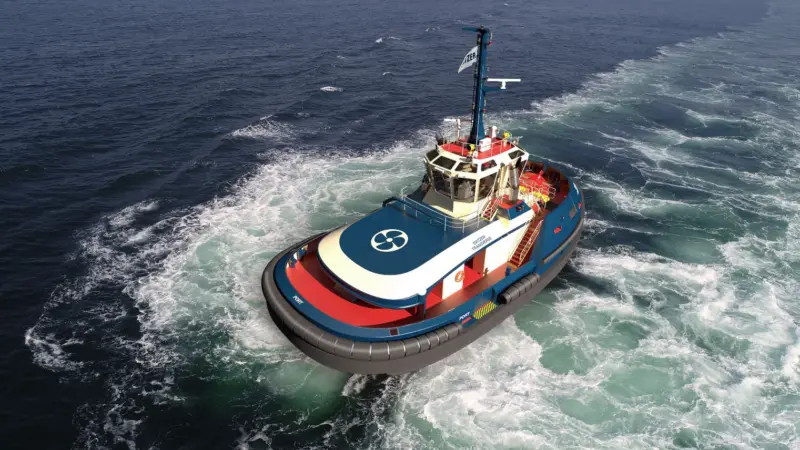
RSD 2513 and electric
The RSD 2513 first appeared in 2018 and when the first example, Innovation, was reviewed at Southampton by MJ, Damen explained how the ‘always bow first’ and other design features including the twin-fin skegs made it different from the standard ASD layout, which it could otherwise be seen as.
That Damen has in just five years delivered around 30 RSD 2513s with around 10 more listed, either allocated or for stock, demonstrates the shipbuilder has another successful design on its hands and a club that Port of Antwerp-Bruges is keen to become a bigger member of. In September 2020 it acquired its first RSD tug, followed by two more.
Five of the new vessels will be diesel powered, replacing existing tugs with deliveries due in the spring of 2025. The sixth example – and what the port describes as the “real game-changer” – will be an electric version, the RSD-E, due for delivery earlier than the diesel tugs, in the fall of 2024.
The electric version will provide 70tbp with a 1.5MW charging station installed at the operational headquarters NOC (Nautical Operations Cluster) allowing the 2,782MWh batteries to be fully charged in just two hours.
The diesel-powered vessels, far from being much of the same, will contribute to the green upgrading of the port’s tug fleet, being IMO Tier III certified as standard.
“With the purchase of these new energy-efficient tugs, we have reached another milestone on our way to a green fleet,” said Rob Smeets, chief operations officer Port of Antwerp-Bruges. “Our ambition is to be carbon neutral by 2050 by pursuing various sustainability paths and daring to pioneer innovative technologies. These tugs are a prime example of what our sustainable future should look like.”