![MaritimeJournal[Seawork]](https://www.maritimejournal.com/wp-content/uploads/2026/09/MaritimeJournalSeawork.svg)

Consortium works on UK’s first H2-fuelled CTV
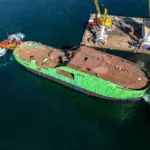
A UK-based consortium is working towards retrofitting a crew transfer vessel (CTV) with hydrogen propulsion for the first time.
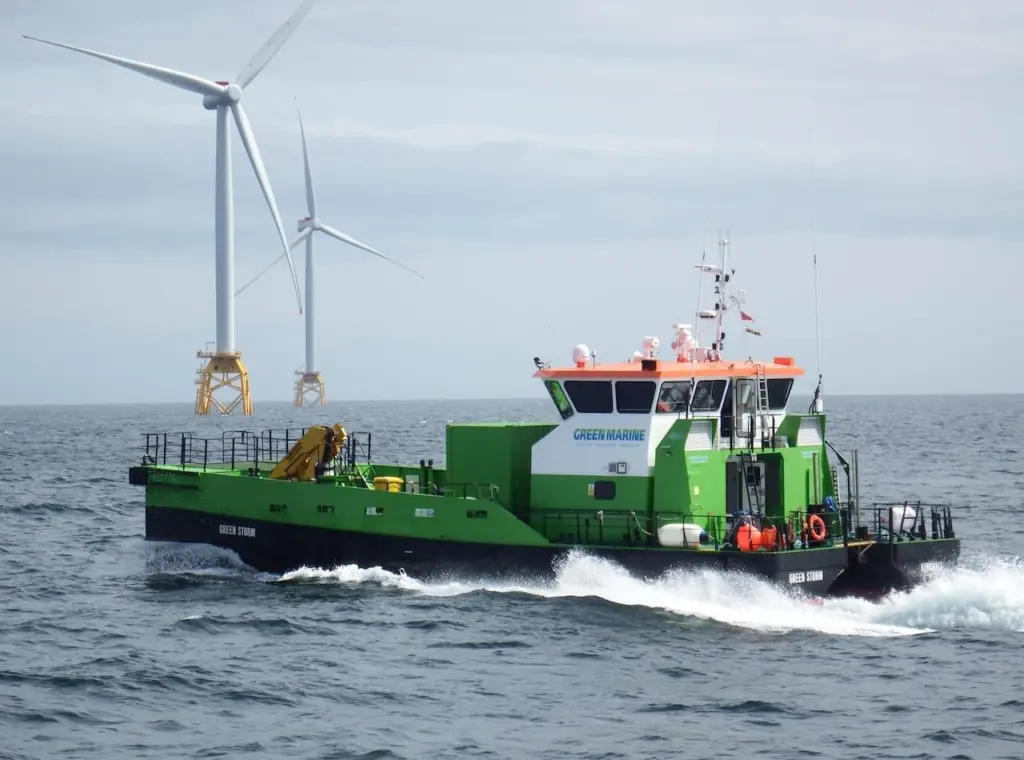
Leading ‘Project Verdant’ is the Orkney-based Green Marine, which brings its marine engineering services and vessels to the table.
The consortium also consists of marine consultancy Waves Group and the European Marine Energy Centre (EMEC) and is supported by Innovate UK, a government research agency.
Project Verdant’s conceptual design incorporates hydrogen fuel cells that are connected to electric motors, which can work in conjunction with the existing diesel-fuelled engines, which can be shut down to enable zero emission operation at slow speed while working within offshore wind farms.
The ultimate objective, according to Green Marine managing director Jason Schofield, is to build knowledge that will allow the company to expand its fleet with newbuild CTVs and later, SOVs, that can run with zero emissions.
With various estimates predicting the value of the offshore support sector could be as much as £26 billion (€29.9 billion), the number of vessels required could amount to around 1,200, the Offshore Renewable Energy Catapult believes.
“This is a highly ambitious project with potential to dramatically reduce the emissions associated with servicing and maintaining offshore wind farms,” said Jason Hayman, the naval architect leading Project Verdant for Green Marine. “In recent years several new-build hydrogen-powered vessels have been launched, but our current objective is to develop a system that can be easily retrofitted to CTVs that would enable them to be powered by hydrogen fuels cells when in loiter mode for a substantial portion of the day.
“We are using new and innovative technologies, but we need to ensure that all aspects of our operation are inherently safe for our crew and passengers, and we need to be able to prove that to class and regulators.
“In the coming weeks and months, we will be engaging with industry leaders and technical experts to develop the design and specifications of the system. A viability assessment will then be undertaken to ensure any risks identified during the project can be adequately addressed or mitigated, and the design is capable of meeting or exceeding the criteria established.”
“This feasibility study will form the foundation for the use of hydrogen as a marine fuel in the CTV market,” said Waves Group associate director and marine engineer Kenneth English. “The use and ease of its modular design will provide the versatility required to ensure the operational profile of the vessel is maintained.”