![MaritimeJournal[Seawork]](https://www.maritimejournal.com/wp-content/uploads/2026/09/MaritimeJournalSeawork.svg)




Governments expand ETV tasks for safety and value
State-sponsored Emergency Towing Vessels (ETVs) were initially seen as an expensive luxury, often lying seemingly idle at anchor for long periods. But times and attitudes are changing, reports Peter Barker.
As investment in government-sponsored tugs increases, coastal states have a myriad of options in terms of vessel type and their role.
Unlike in land-based incidents, taxpayers may not appreciate the importance of responding to maritime emergencies that are over the horizon, do not often affect them directly, and traditionally have always been the domain of the commercial salvage sector.
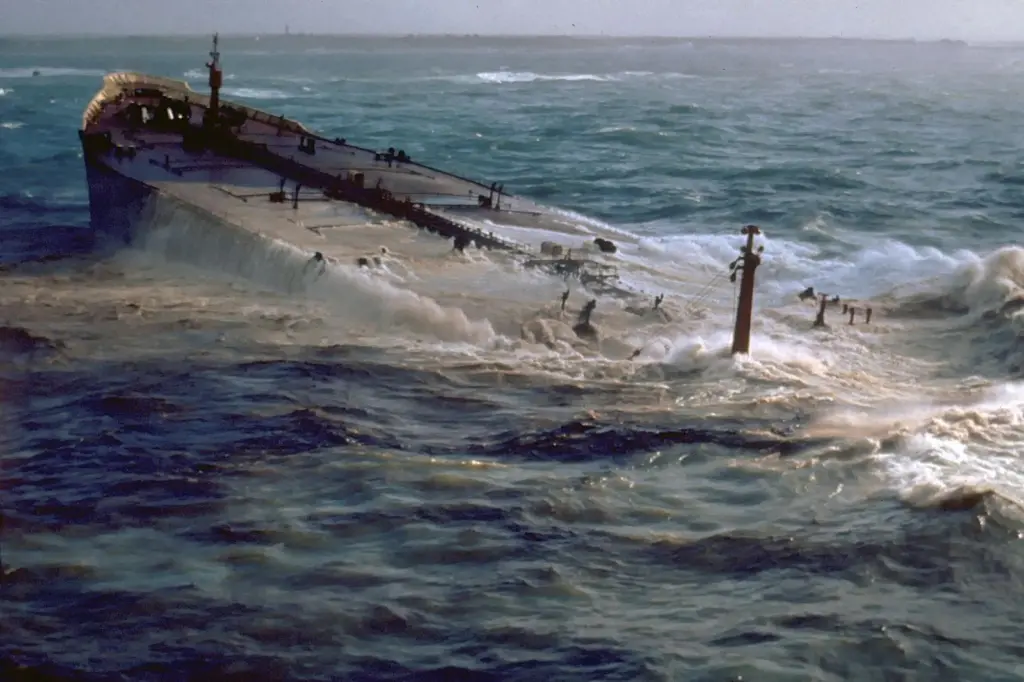
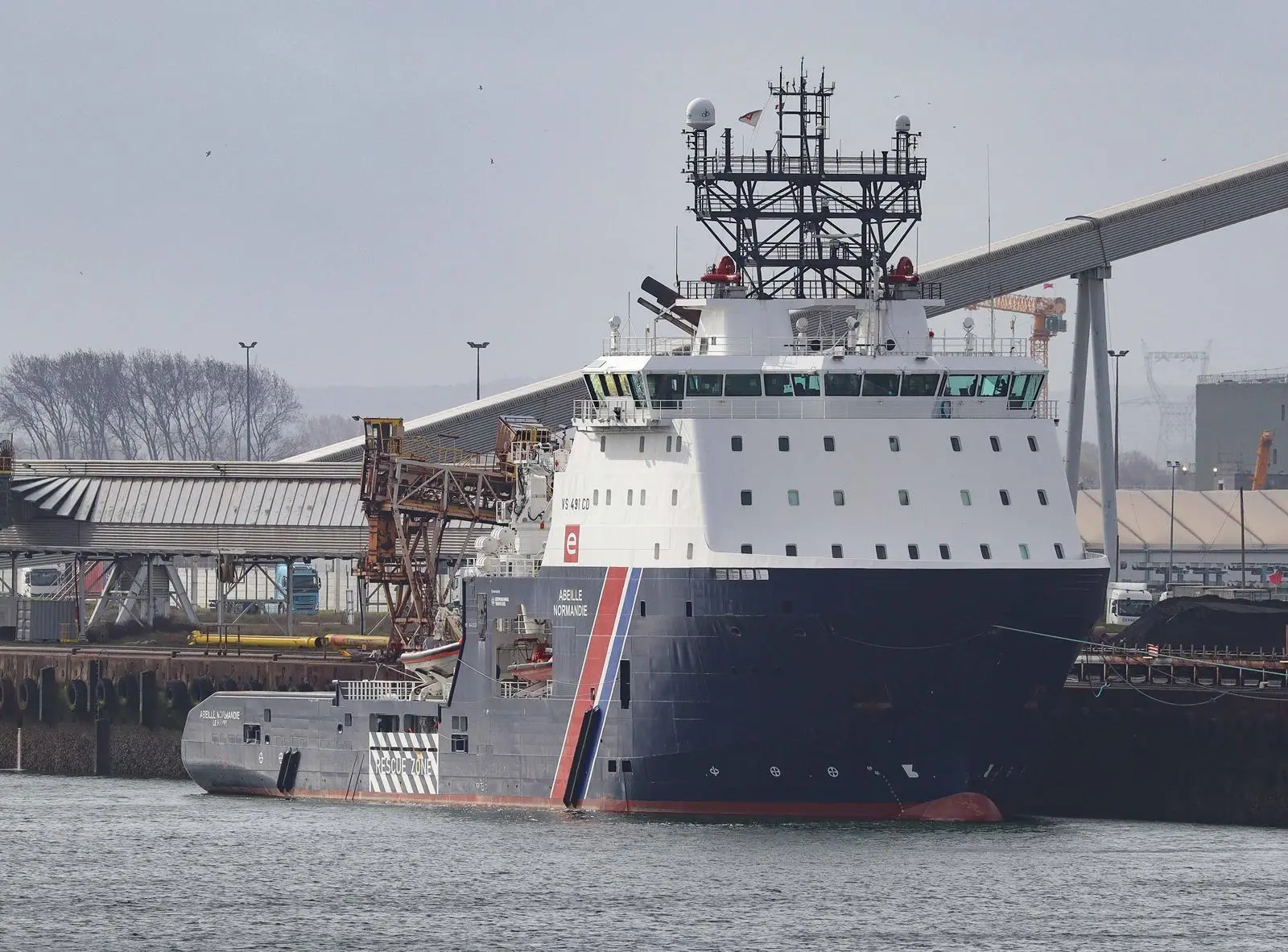
For the French, one bitter pill of reality arrived in March 1978 when the tanker Amoco Cadiz grounded on the Brittany coast, spilling almost 220,000 tons of crude oil and causing catastrophic pollution. Commercial towing assistance failed to arrive in sufficient time and the disaster was the catalyst that led to France now having arguably the most high-profile fleet of ETVs, comprising five vessels including two purpose-built for the role.
Also in the 1970s, South Africa commissioned two ocean-going salvage tugs to protect its coastline from the threat of supertankers redirected around the Cape of Good Hope following the Six-Day War and closure of the Suez Canal.
Safer seas
As shipping safety has gradually improved, previous arrangements whereby salvors stationed tugs at accident hot-spots on speculation of a rescue have largely disappeared.
The void has resulted in coastal states increasingly filling the gap and joining the ETV club, with some, like the French, making the move after being stung, others in anticipation of pollution threats. After all, the cost of operating ETVs can be minuscule compared with that of cleaning up an oil spill on the scale of Amoco Cadiz.
Clean-up costs from that one disaster alone were more than $1 billion in today’s money, not including the $200 million a US court ordered Amoco to pay in damages to the French government and local authorities.
Making the right choice
Once a state decides to go down the ETV road it has to consider what type of vessel to employ, with the options meaning the only consistent thing when looking at typical examples is actually their inconsistency.
The actual arrangements can range from contracting towage and salvage companies to operate under direction of local coastguard or naval authorities, to buying or converting tugs directly to become part of the country’s naval fleet.
The aim of the exercise, notwithstanding any value-added services, can be defined in several ways but is basically intervention intended to prevent pollution.
Role definition and vessel type is influenced by factors such as physical geography of the state’s area of maritime responsibility, degree of weather exposure and traffic density.
In the early 1990s, following the Braer oil spill, the UK established a four-vessel fleet of chartered ETVs under the control of the Maritime & Coastguard Agency – but the fleet has now been reduced amid budget cuts to one vessel covering the north of Scotland.
One role for the Dover Strait-based ETV, in a joint arrangement with the French, was to tow disabled vessels clear of the Traffic Separation Scheme until arrangement with commercial operators could be established.
Vessel type?
Selecting the type of vessel for the role will be influenced not only by what the maritime authorities desire, but also by those who control the budget and ensure value for taxpayers’ money.
As these assets may loiter for extended periods waiting for a call, finding additional roles is an option, whether it be the pure tug option, or a ‘jack of all trades, master of none’ solution.
The size of potential casualty vessels and typical weather conditions are basic considerations. Two of the French and the two original South African ETVs (now replaced) involve purpose-built tugs of the highest order, both in power and weather capabilities.
Including fire-fighting, salvage and oil recovery capabilities are natural for the core role, but there is a fine line between providing emergency initial response and taking on often extended and complex salvage operations.
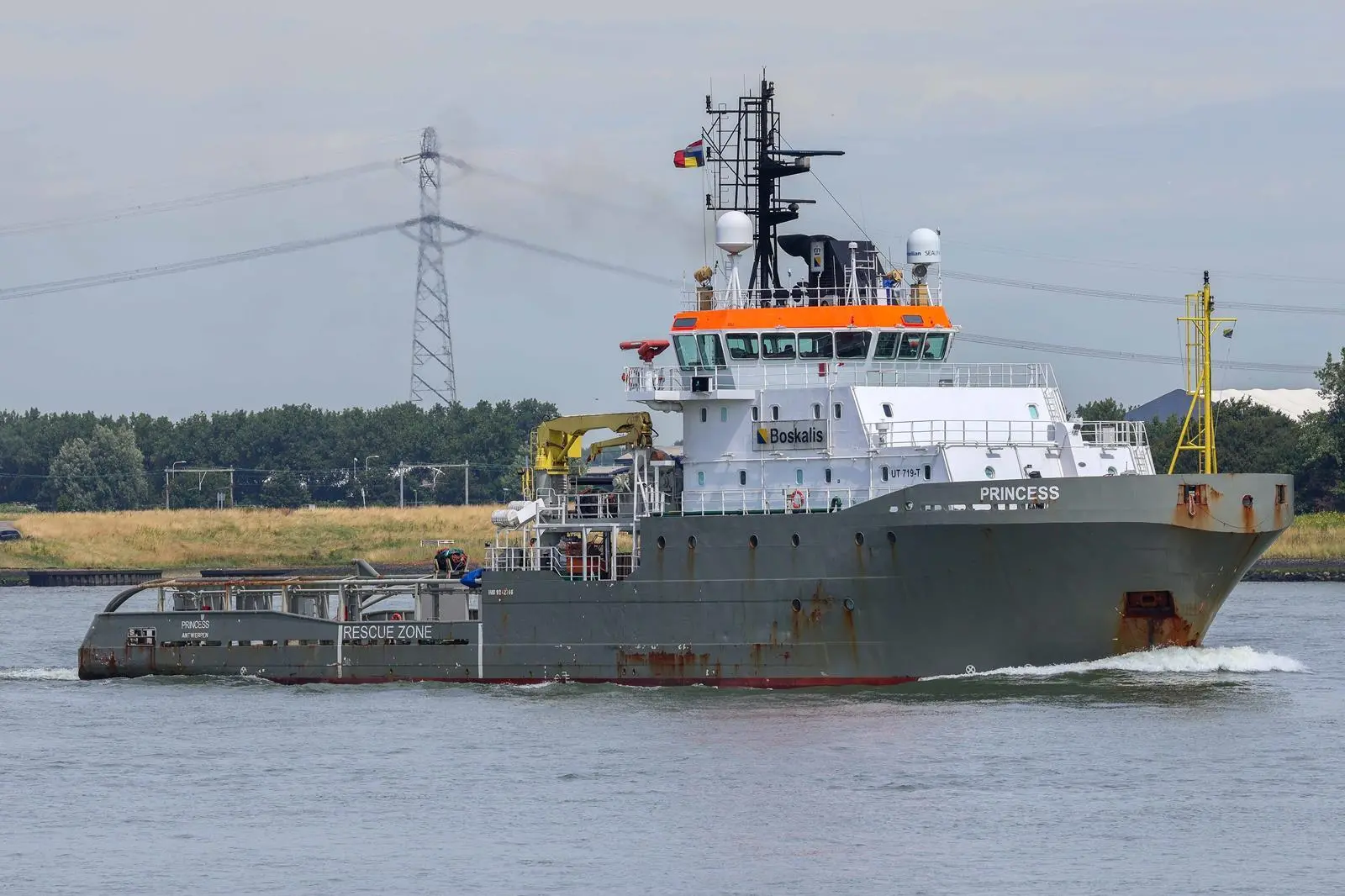
The UK adopted a popular route, favouring anchor-handling tugs (AHT) or anchor-handling tug supply vessels (AHTS).
While not always designed for high-speed, bad weather rescue dashes, they certainly had the bollard pull, manoeuvrability and towing capabilities required, as well as fire-fighting provision and, particularly in NW Europe, were readily available in high numbers working in the offshore O&G sector.
Two notable vessels built specifically for the UK’s MCA contract, but with an eye to employment in other related sectors, were Anglian Princess and Anglian Sovereign, for JP Knight of Lowestoft.
Standard design AHTs, the pair subsequently moved on to Boskalis Group’s books, now currently busy in the North Sea and USA.
Spain has a notable fleet of around 14 multipurpose ETVs operated by SASEMAR, the primary agency for maritime rescue in the country.
For some states, ETVs are able to carry out additional roles including fishery protection, navigational aid maintenance and customs and security activities.
Incidents of damage to undersea cables and pipelines in the Baltic have seen ETV-type vessels engaged in security roles.
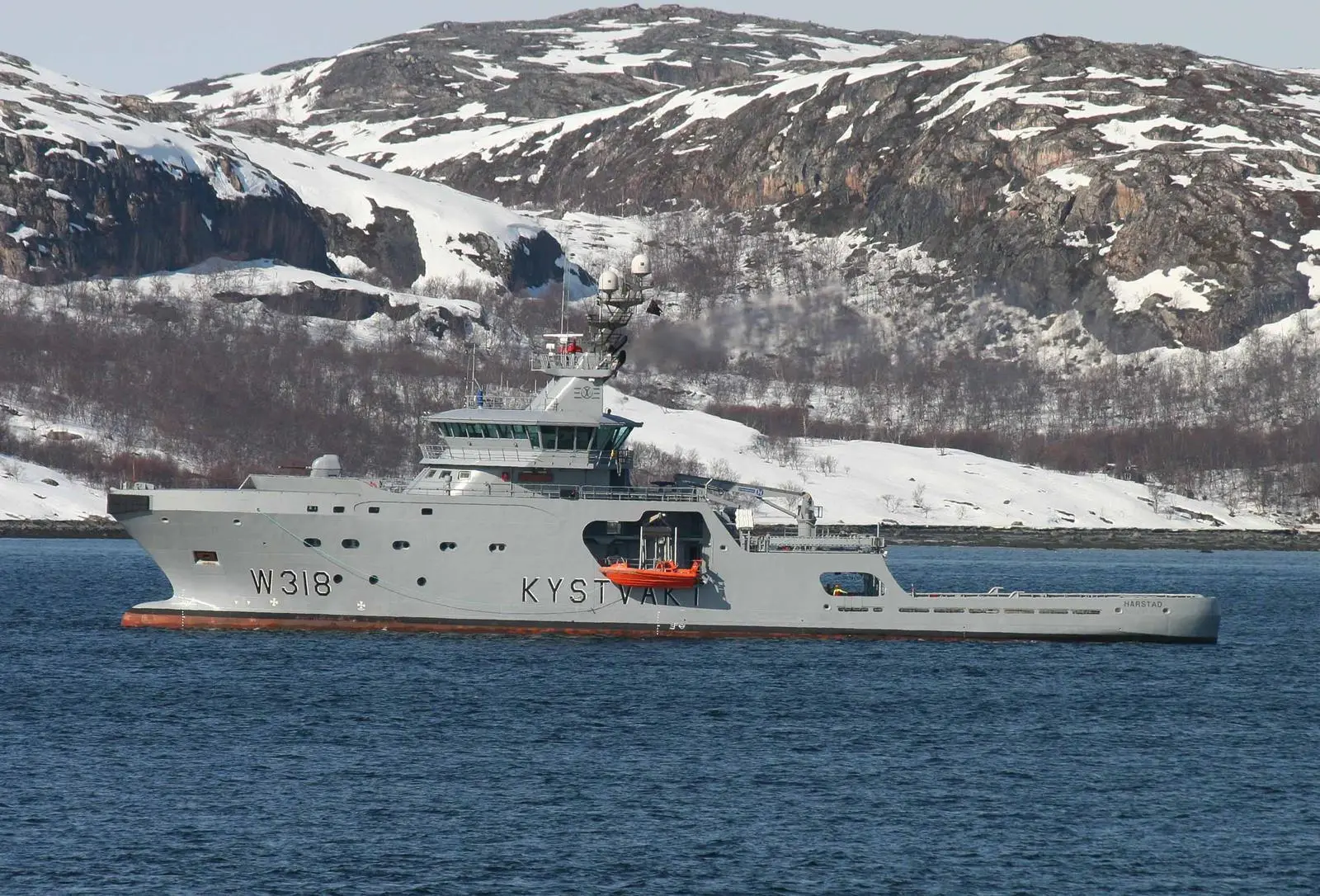
Norway’s coastline can be hostile, carrying the threat of pollution from intense tanker traffic passing the North Cape from Russian oil export ports, including Murmansk. The Norwegian government’s response comprises the offshore patrol vessel Harstad and three Barentshav-class patrol vessels supplemented by a further three chartered tugs when required.
The four main vessels are basically armed naval craft (including their colour schemes) and while described as patrol vessels are equipped for towing duties under coast guard authority.
The Dutch way
At around 450km, the mainland outer coastline of the Netherlands is around four per cent of the UK’s using the same method of measurement.
The sea off the Netherlands, however, is particularly busy with shipping, including vessels not originating from nor destined for the country itself: its waters are home to anchorages and channels including to Rotterdam, Europe’s largest port.
The proliferation of offshore wind farms has added to the congestion and potential risks, particularly when the region is exposed to North Sea storms.
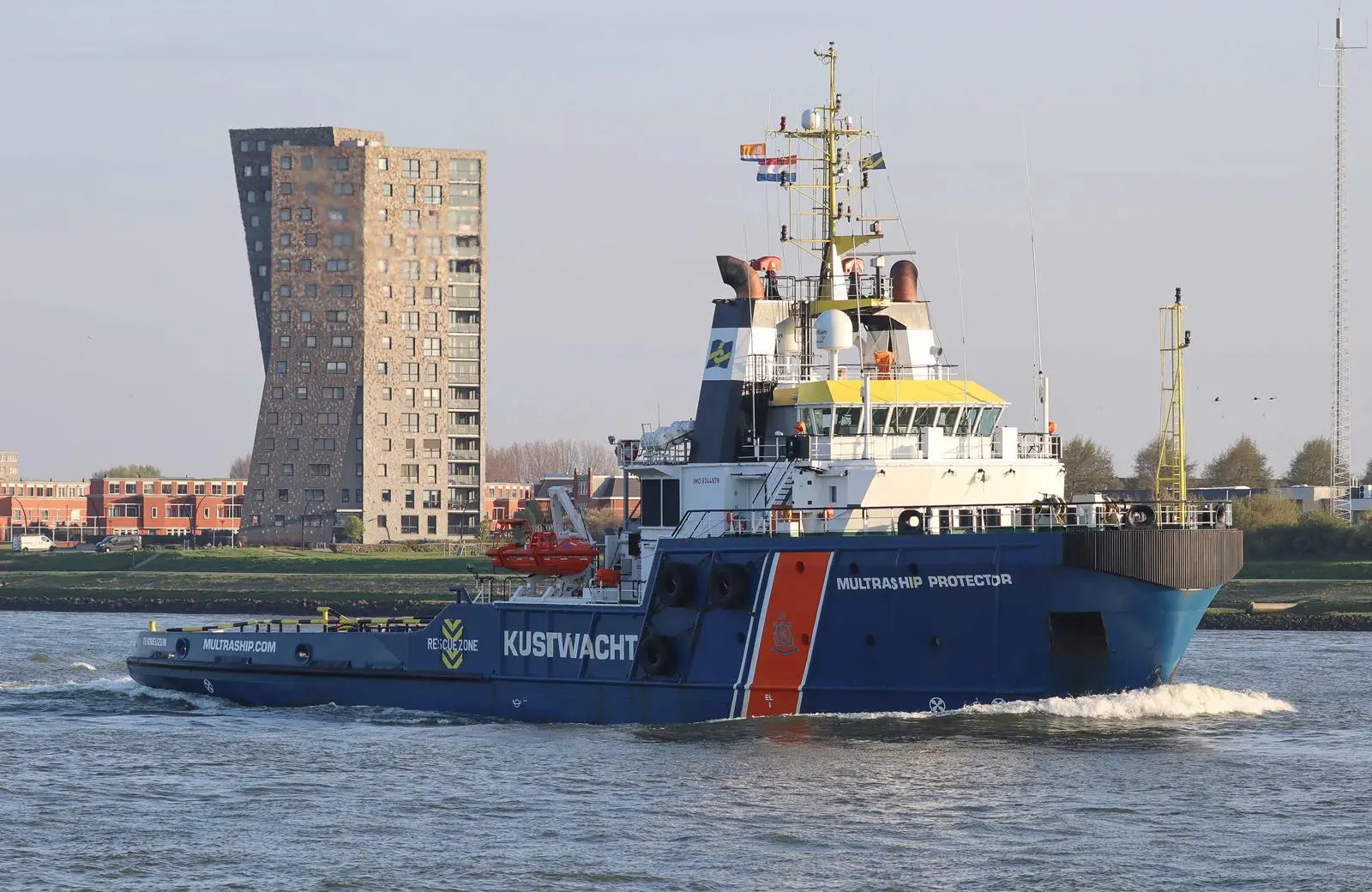
The Dutch response includes three chartered ETVs, one of which, based in the north at Den Helder, puts to sea during bad weather, while two tugs are stationed further south, close to wind farms in particularly congested waters.
Indicating the government’s confidence in the ETV principle, Rijkwaterstaat recently announced registration for its “innovative” Power2Tow project. Three “virtually emissions-free” ETVs will be developed, aimed at increasing safety in the North Sea, it said.
Precise details are yet to be revealed but the trio will operate on electricity and use green e-methanol for actual towing operations. They will employ five charging points offshore and five onshore and while the offshore elements are stated as “not yet ready-made and available on the market”, once developed the technology will be applied more widely.
Europe-based companies including Damen, MJR Power & Automation, Oasis Marine Power and Ocean Charger are among those developing offshore charging technologies via wind turbines, sub-stations and buoys.
Apart from the reduction in commercial towage provision of tugs waiting on-spec for an inevitable casualty, the public’s attitude to pollution and the environment has not favoured the lottery of opportunism.
The ETV solution is now established, and no doubt technology will be developed to achieve both efficiency and performance, not normally easy bedfellows.