![MaritimeJournal[Seawork]](https://www.maritimejournal.com/wp-content/uploads/2026/09/MaritimeJournalSeawork.svg)

VIDEO: Autonomous, electric cargo delivery
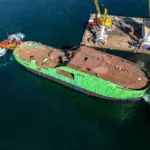
Two Southampton-based companies have trialled an electric vessel for a marine civil engineering project in one of the UK’s busiest ports.
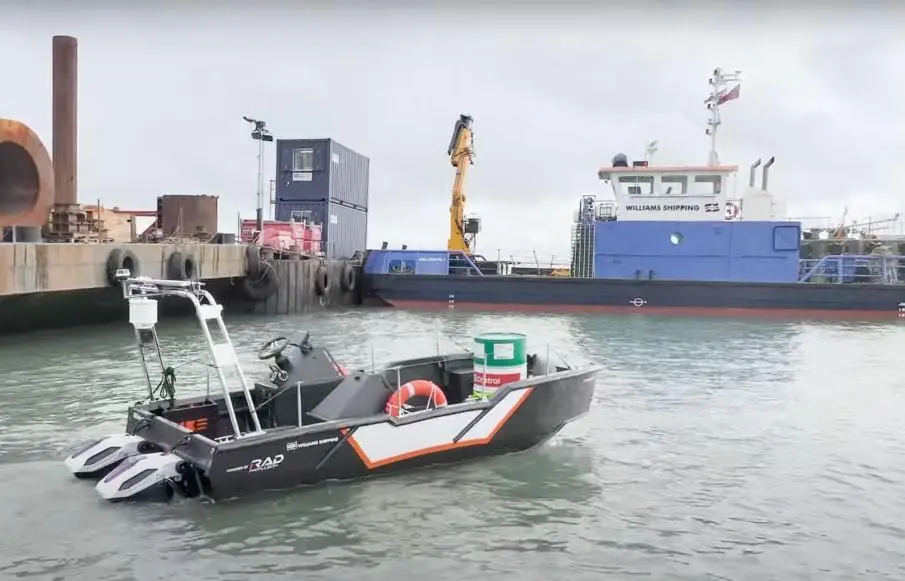
RAD Propulsion and Williams Shipping designed, developed and operated a custom micro freight delivery vessel controlled autonomously and powered by twin RAD 40 electric outboards to transport cargo and crew across the busy waterway.
The deployment demonstrated three operational advantages: zero local emissions, supporting air quality improvements within the port area; reduced noise levels, improving safety by improving crew communication; and testing autonomous capabilities by enabling remote piloting and reducing onboard workload.
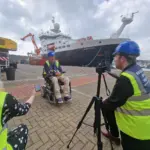
For RAD Propulsion, a developer of electric marine propulsion systems, the trial offered an opportunity to validate the performance of its RAD 40 drive under live project conditions. Williams Shipping, a long-standing marine services provider, assessed how alternative propulsion systems could integrate with its operational requirements while advancing decarbonisation objectives.
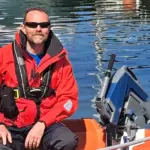
“We’ve got to think about the future,” said Philip Williams, managing director of Williams Shipping. “The marine industry has lagged a bit behind the rest of the industrial world and there’s not many solutions being provided as alternatives to fossil fuels in the marine sector.
“We had the opportunity to operate a vessel that was totally green and electric within the port, a very, very busy commercial waterway.”
The collaboration between Williams and RAD aligns with wider industry trends toward electrification and automation as the global maritime sector faces increasing regulatory and market pressures to lower carbon emissions, and electrification is regarded as a key pathway to achieving these goals.
While large-scale adoption is expected to follow international standards and infrastructure development, regional trials such as this demonstrate that incremental progress can be delivered by local operators and technology providers working in partnership.
The successful completion of the trial reinforces the potential role of collaborative projects in accelerating the transition to low-emission maritime operations across the United Kingdom and beyond.
“We all want the same thing,” said Williams. “And RAD are getting out there and giving us the option.”