






Position-fixing intervals warning
The London P&I Club say excessive onboard position-fixing intervals have been a contributory factor in some recent costly claims.
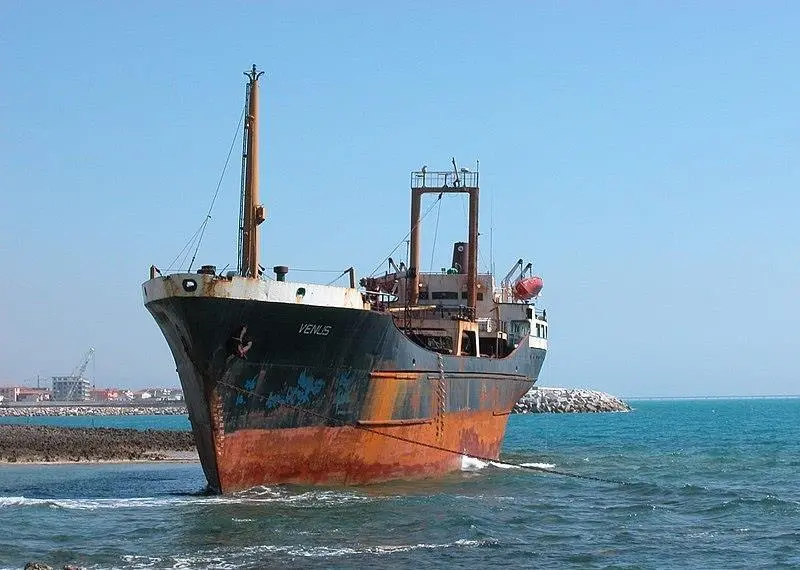
Excessive intervals can lead to the officer of the watch not detecting an error in navigation, explained the marine liability insurers’ loss prevention manager, Carl Durow. This can result in financial consequences if vessels or equipment are damaged.
Writing in the club’s latest StopLoss Bulletin, Mr Durow, said: “Club inspectors continue to note a lack of guidance in passage plans for the frequency of position-fixing necessary on individual legs of each voyage. This is often accompanied by excessive intervals in closer proximity to land on inbound voyage charts.
“Naturally, every passage is different, but it is recommended that the passage planning stage considers the appropriate fixing intervals and provides guidance to the officer of the watch.”
Grounded carrier
In one case, a laden bulk carrier grounded on a shoal, in circumstances where a previous inaccurate dead-reckoning plot was not detected in time.
Although there were several contributory factors to the grounding, the club says that, if a more appropriate position-fixing interval had been employed, it is likely that the discrepancy between the erroneous dead-reckoning plot and the ship’s subsequently plotted position would have been observed in time to correct the situation and execute the course alteration safely.
In another case, a ship proceeding in a ballasted condition between two small islands was unexpectedly affected by a strong current, and grounded half-a-mile to port of track before the next fix was plotted.
The ship was not employing parallel indexing, thus denying the officer of the watch two methods of detecting its heavy set to port.
By Rebecca Jeffrey
Related Articles
 INDUSTRY NEWS
 ENVIRONMENT
 INSURANCE, LEGAL & FINANCE