

The UK maritime sector has approved its first formal training programme for crews operating electric-propelled vessels against a backdrop of rapid develpment in the sector and a need for new technical and safety standards.
The Maritime and Coastguard Agency (MCA) has approved the country’s first dedicated course for electric vessel operations, with South Shields Marine School becoming the first training provider authorised to deliver it.
The development reflects an emerging challenge facing maritime regulators and operators: electric vessels are so new to the commercial industry that specialist crew training has had to be created from scratch.
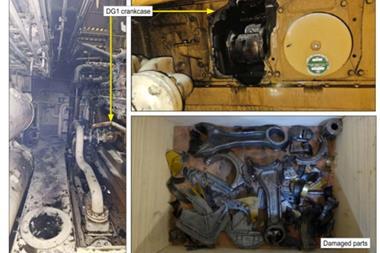
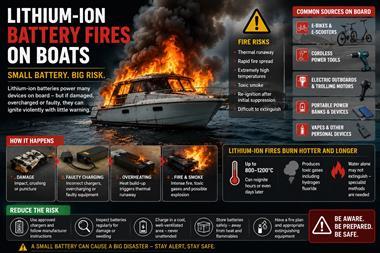
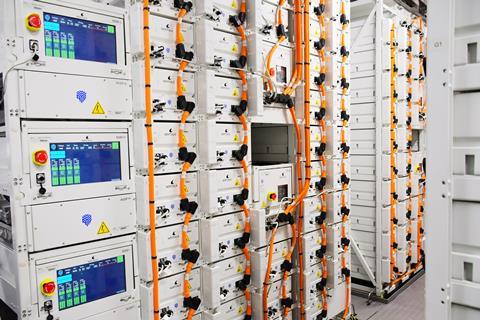
Unlike conventional marine engineering courses, the new programme addresses technical and safety requirements linked specifically to electric propulsion and lithium-ion battery systems used onboard smaller vessels.
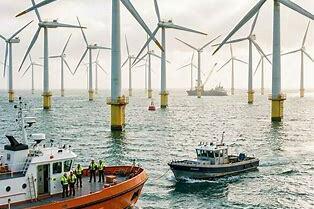
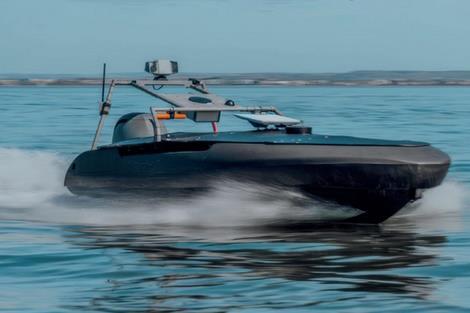
Electric propulsion is increasingly being adopted in ferries, harbour craft and workboats, but the introduction of battery systems and high-voltage electric propulsion has created operational and safety considerations that may be absent from traditional vessel training.
The course, known as the Approved Electric Propulsion Course 1 (AEPC1), was developed using guidance issued by the MCA following consultation with industry and academic institutions. It applies to vessels under 24 metres and is non-mandatory.
Training is divided into two levels. General crew will receive instruction on safety procedures, emergency response and systems such as fire suppression for battery-related incidents. Technical crew will undertake more specialised training covering battery management, electrical controls, maintenance and repair.
“Congratulations to South Shields Marine School for breaking new ground with the UK’s first electric-propelled vessels course to be approved by the MCA,” said Ajit Jacob, chief examiner at the MCA.
“Alternative power, including electric, is becoming increasingly important to the maritime industry as it looks to become greener and more efficient and competitive. Training our seafarers in emerging technologies, including alternative fuels, is essential to supporting technological development and economic progress.”
Simon Ashton, principal of South Shields Marine School, said developing the course represented a significant effort for the institution. More details of the course are available here.