


Servowatch system monitored the Olympics
The 2012 Olympics tested not just the athletic skills of sports people worldwide, but also the prowess of the organisers who had to make it a highly successful and memorable event for the participants and the global audience.
Terror threats loomed large on the Games, but were kept at bay by hi-tech security and intelligence infrastructure. Essex based Servowatch UK played a vital role in the safe conduct of one of the most attractive events of these Games with its Situational Awareness System.
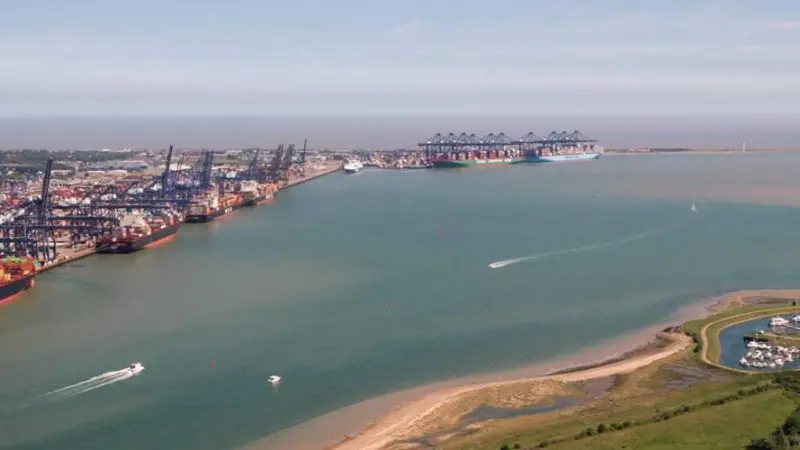
The sailing and windsurfing events were held at Weymouth and Portland, one of the finest sailing waters in the UK in terms of wind and sea state. A significant level of security was required due to the size of its marine geographical area (approximately 130 square km). The risks and threats were further compounded due to substantial increase in the density of craft such as safety vessels, visiting pleasure craft, cruise ships and a variety of other unforeseen vessels used by the competitors, support, media, spectators, VIP visitors, etc.
The security of the Weymouth and Portland areas was the responsibility of the Dorset Police Authority (DPA), whose role included supporting the organisers and athletes by ensuring the fields of play on the water were safe and secure. The challenge before the DPA was to maintain the look and feel of a family event and underplay military involvement while delivering complete security. This is where Servowatch played its role as it was chosen to provide a Situational Awareness System.
The Servowatch team of experts devised a unique and complex custom made solution that involved a new technology in image processing and video analytics. Bespoke engineering combined with a unique algorithm developed by one of its employees as part of a PhD thesis also contributed to the cutting edge technology to meet DPA’s system requirements.
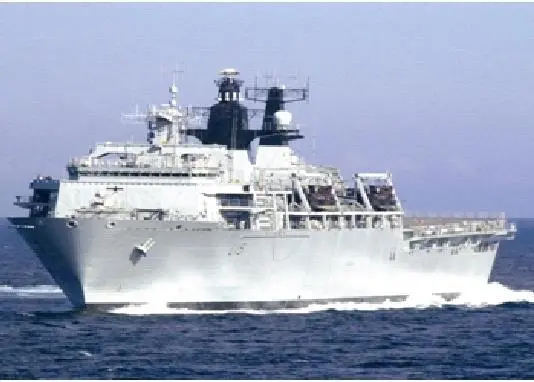
The Situational Awareness System was split between two main locations. One was the Ops room on board HMS Bulwark, which acted as the primary command and control node. Second was the shore-side police control room, which acted as the secondary command and control node. In addition to these main locations, there were cameras and a radar distributed around the local area which were connected using wireless networking. Finally, there was a remote satellite uplink which provided a network link to HMS Bulwark using the UK’s military satellite system. There were six different types of position sources that were collected by the system using various types of technology like AIS, radar, VTS, WAIS, GPRS tracking, etc.