




Battery-powered vessels crucial role in decarbonisation
Battery technology is transforming commercial shipping, with hybrid and electric vessels playing a crucial role in maritime decarbonisation, according to market intelligence firm Intelatus.
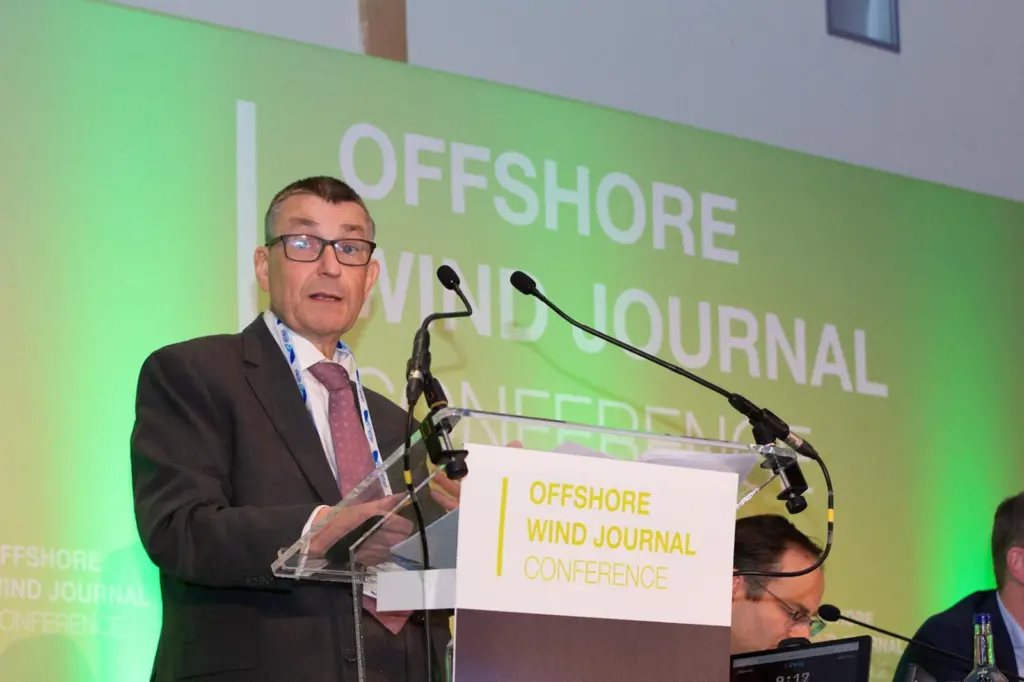
Intelatus research director Philip Lewis said that as the shipping industry moves toward net-zero emissions by 2050, battery power is gaining traction as a key solution for reducing carbon footprints.
“Decarbonisation in shipping is not a one-size-fits-all approach,” said he said. “Batteries play a crucial role in hybrid power systems and short-sea operations, but they are not a universal solution for all vessel types.”
“Their ability to improve efficiency and reduce emissions makes them an increasingly attractive investment.”
Data evidence
Intelatus points to more than 1,000 vessels worldwide that already incorporate battery energy storage, with another 550 on order.
Hybrid vessels, which combine internal combustion engines with battery storage, remain the dominant configuration, while fully electric vessels are expanding in specific short-sea shipping segments.
In addition, Intelatus data reveals that more than 17% of new vessel orders feature alternative fuel sources such as LNG, LPG, methanol, ammonia and hydrogen, alongside battery technology.
Mr Lewis said that while batteries serve as energy storage rather than fuel sources, they enhance hybrid propulsion efficiency, particularly in peak shaving and as a spinning reserve for critical operations.
He said that short-sea shipping benefits the most from battery integration, with ferries, offshore support vessels, tugboats and port operations leading adoption.
Norway is at the forefront, leveraging its clean energy infrastructure to mandate low or zero-emission ferry contracts, spurring investments in charging stations and vessel electrification.
Despite challenges such as charging infrastructure, battery weight and cost, marine battery investment is accelerating.
“While full vessel electrification may not be feasible for deep-sea shipping, hybridisation will continue to expand,” Mr Lewis added.
“The industry is on a strong trajectory toward a greener future.”
Related Articles
 AUTONOMOUS VESSELS & TECHNOLOGY
 OTHER NEWS
 OTHER NEWS