

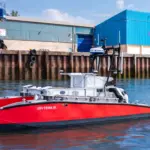


Biodiesel propulsion reshapes green tug sector
Wärtsilä is supplying fuel-flexible engines for two new pusher tug vessels being built for AMAGGI at the Beconal shipyard in Manaus, Brazil.
Designed for decarbonised operations, the vessels will operate on biodiesel, with fuel flexibility a decisive factor in awarding the contract, which was booked in the fourth quarter of 2025.
“The fuel flexibility of the Wärtsilä engines will enable these two new pusher vessels to operate using environmentally sustainable biofuels,” said Claudinei Zenatti, logistics and operations director, AMAGGI.
“By using biodiesel, these engines are expected to lower total greenhouse gas emissions, supporting both our company’s environmental commitments and the broader goal of delivering more sustainable river transport.”
Decarbonising river transport
Each vessel will be equipped with two Wärtsilä 20 engines delivering a combined 2,100kW and supported by a Wärtsilä Data Collection Unit.
This vessel propulsion configuration allows operation on diesel or biodiesel and enables each pusher tug to move up to 20 barges carrying 32,000 tonnes of grain across the Amazon inland waterway system.
Delivery of the Wärtsilä equipment is scheduled to begin in August 2026, with performance monitored through the WDCU to support reliability and extended overhaul intervals.
Wärtsilä said that AMAGGI will be the first pusher tug operator to run entirely on biodiesel, building on a partnership spanning more than 30 years and a river fleet of 212 barges and vessels.
The two companies share a longstanding partnership, having collaborated for more than 30 years to advance sustainable and efficient river transport solutions in Brazil.