![MaritimeJournal[Seawork]](https://www.maritimejournal.com/wp-content/uploads/2026/09/MaritimeJournalSeawork.svg)



Expensive equipment not the solution
It’s a controversial stance, but Nigel Adams of the UK based Marine Accident Investigation Branch (MAIB) points out that lifeboat accidents have caused a “significant” number of deaths “with not enough balancing payoff in lives saved by these systems.”
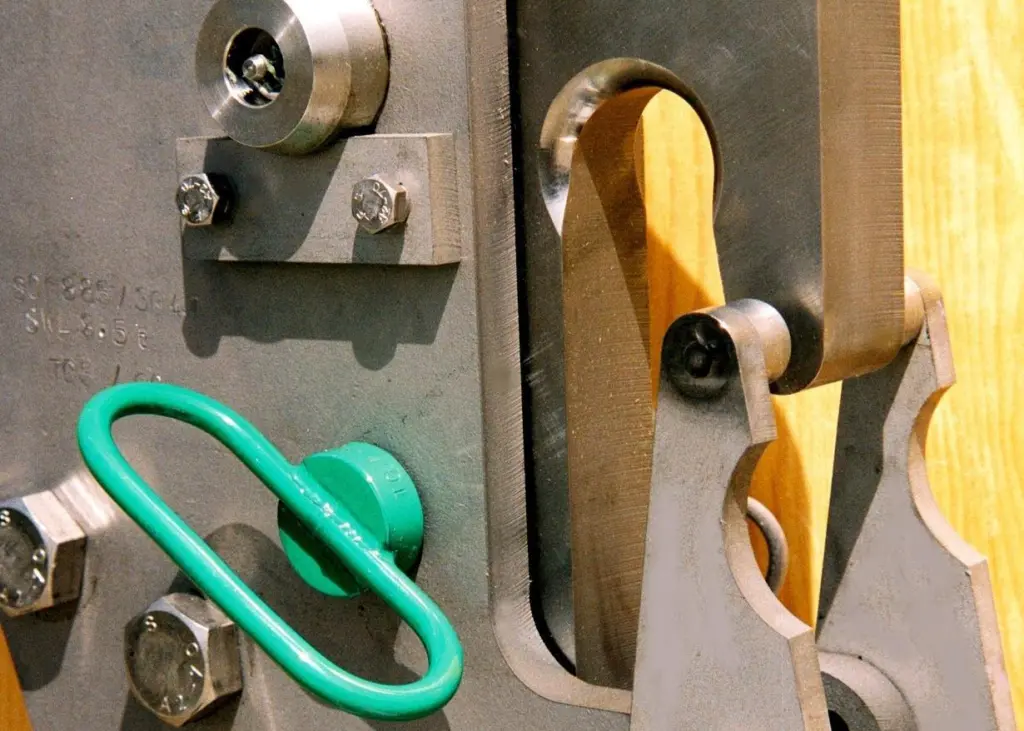
The Tombarra incident for example was caused by the failure of a rescue boat’s on load hook during a drill, causing the boat to fall 29m and killing one of its four crew. Mr Adams points to a detailed review in 2001 in which MAIB concluded that the causes of accidents seem to have their roots in the complexity of these lifeboat systems. This is compounded by poor instructional and training material, especially from Far Eastern manufacturers, and “a general lack of trust by crew”, who therefore seek to avoid the training drills. “Given all this, issues just spiral, especially because the best way to keep equipment at sea working is to use it regularly,” said Mr Adams.
Despite the manufacturers’ position, which he summed up as “tending toward blaming lack of maintenance or crew error”, he says the UK Maritime and Coastguard Agency (MCA) stated in early 2008 that “many existing on-load release hooks, while satisfying the current regulations, may be inherently unsafe and therefore not fit for purpose”.
“In other words, he said, “it has taken a long time for the industry to work out that an ‘on hook’ failsafe position is better than one where the boat can drop.”
So where are we now and what is next? The last round of legislation mandated new, expensive and complex equipment with a secondary safety system in the form of a safety pin, and some older ships will even need new lifeboats, according to Mr Adams.
He is sceptical about the benefits: “Shipowners lose again and manufacturers stand to make a lot of money despite benefits being at best marginal. There will no doubt be the usual reactionary, rushed through legislation post Costa Concordia.”
But his point is that while solutions are hard to come by, there is no point in looking at further complication. “The big heavy lifeboats were mostly unusable in the Concordia situation. They are immensely complicated, whereas most passengers can work out how to use a liferaft.”
He concluded: “I don’t have the solutions, however, in line with the MAIB findings previously mentioned, more sophisticated and complex equipment is not the answer. While the freefall variety of lifeboats are better, you do need a depth of water and simple life rafts are the preference of the majority of seafarers, particularly if there is any kind of sea running. Why complicate things with davits and release systems?
“If there is one lesson that should be learnt from the last twenty five years it is ‘keep it simple’.”
Related Articles
 INSURANCE, LEGAL & FINANCE
 INDUSTRY NEWS
 ENVIRONMENT