![MaritimeJournal[Seawork]](https://www.maritimejournal.com/wp-content/uploads/2026/09/MaritimeJournalSeawork.svg)





Kongsberg and I2C
Norway’s Kongsberg Norcontrol IT have provided vessel tracking interfaces for the I2C (Integrated System for Interoperable Sensors & Information Sources for Common Abnormal Vessel Behaviour Detection & Collaborative Identification of Threat) integration project.
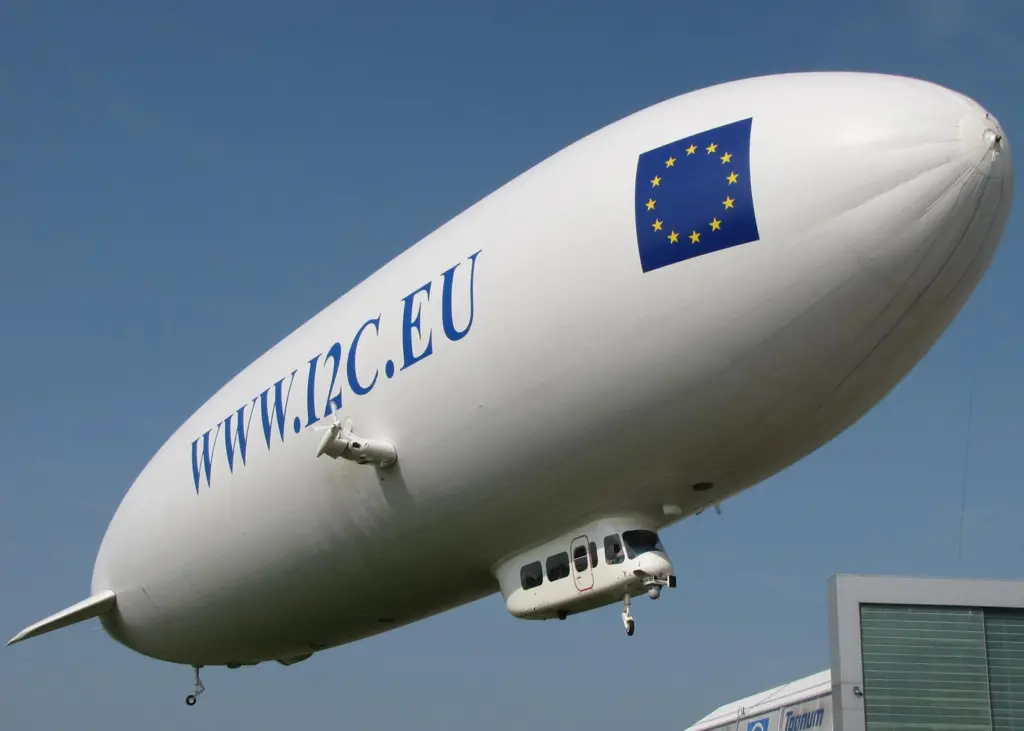
I2C was implemented to enable automatic identification and tracking of vessels suspected of involvement in i.e. irregular migration, illegal fishing, drug trafficking and looting of cultural heritage.
Starting in October 2010 and concluding in October 2014, I2C proposed a new generation of innovative sea border surveillance, integrated with key existing and in-development capacities to track vessel movements and activities for early identification and reporting on EUROSUR (European Border Surveillance System). The resulting I2C prototyped system has been specifically designed to set up a real time and permanent maritime intelligent common situational picture over large maritime territories and provide an online decision aid bench of tools for detection of suspicious activities performed by cooperative and non-cooperative vessels, with identification of the most plausible associated threats.
As world leaders in the innovative development of maritime database software and VTS (Vessel Traffic Service) technology, role in the project was focused on the integration of various data interfaces towards information sources, and the associations of these data with vessels (tracks). This work provides the main input for the behaviour analysis parts and presentation parts of the I2C prototype system. The focus has been on the utilisation of external sources of intelligence relevant for the behavioural analysis of vessel traffic in order to detect suspicious events or vessels. Such sources include a variety of available databases with vessel characteristics and histories (e.g. Lloyds, Paris MoU, Tokyo MoU), databases with secured restricted information, weather and sea state forecasts and vessels detected from orbiting satellites equipped with synthetic aperture radar. Working in real-time, the overall I2C-system will exploit this data to give automatic alerts to operators, who may then use the system to further elaborate on the presented alerts and hypotheses (for suspicious behaviour), and to track vessels of interest.
Part of Kongsberg Norcontrol IT’s research in I2C has been to explore the use of open and emerging industry standards for information exchange, with the objective of developing concepts that can be efficiently adapted to different providers of information. The data exchange standards used in the I2C prototype solution are: IVEF (Inter-VTS Exchange Format) by IALA, WFS (Web Feature Service) by OGC and SOS (Sensor Observation Service) also by OGC. Kongsberg Norcontrol IT has significant experience in data exchange standards for maritime domain awareness systems and was responsible for the original introduction of the IALA IVEF protocol through its participation in IALA and experience from its Singapore VTS delivery project, based on its state-of-the-art C-Scope technology. The company also proposed the WFS and SOS standards and has significant experience with them on projects with other Kongsberg units such as Kongsberg Spacetec (also a partner in I2C) and Kongsberg Satellite Services.
By Jake Frith