![MaritimeJournal[Seawork]](https://www.maritimejournal.com/wp-content/uploads/2026/09/MaritimeJournalSeawork.svg)



Developers determined to hurdle floating wind obstacles
Floating windfarm projects are moving ahead in both the UK and France despite frustration from developers about the lack of backing and the red tape needed to get these projects over the line.
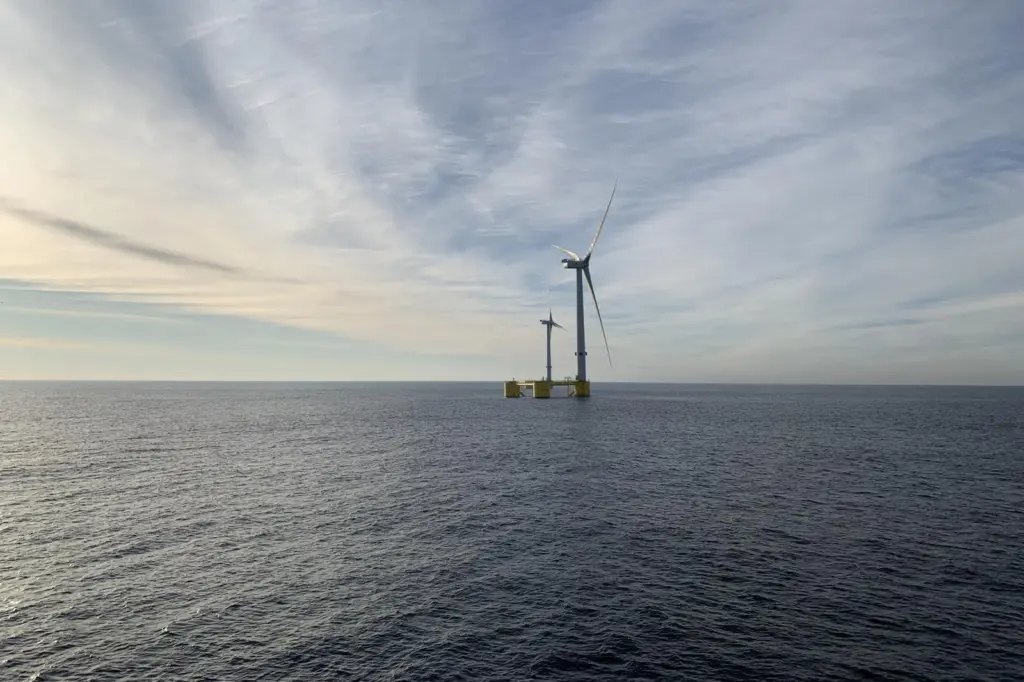
Equinor and Gwynt Glas – a joint venture between EDF power solutions and ESB – have agreed leases for floating wind farm projects in the Celtic Sea.
The UK government calls the milestone a ”major vote of confidence in the UK’s offshore wind industry as a place to invest, at a time when global energy markets are being disrupted by geopolitical volatility and pressure on supply chains.”
Opportunity abound
For the UK, Round 5 is being presented as a generational opportunity to establish a new market for floating offshore wind in the Celtic Sea, potentially bringing with it a wealth of new jobs and economic growth in communities across Wales and southwest England.
But floating wind farm development projects are often marred by a lack of government-backed investment and a convoluted development process.
The Equinor and Gwynt Glas project still has a long way to go as the shift now focuses to developing project designs, delivering onshore and offshore site surveys, Environmental Impact Assessments (EIA), public engagement and securing planning consents.
Once these initial requirements have been completed, the developers can then apply to obtain a full lease from The Crown Estate to build and operate the new wind farms, but they won’t be operational until the mid-2030s.
Confusing times
It’s not just the UK where there is activity in the market. France is also forging ahead with its own floating offshore wind project.
Bureau Veritas Marine & Offshore (BV), has achieved successful certification of the Provence Grand Large (PGL) floating offshore wind project, developed and owned by EDF power solutions, Enbridge and CPP Investments.
The project marks a significant advance in France’s sustainable energy landscape, comprising three 8MW wind turbines, enough for about 45,000 households.
Despite the news on both sides of the Channel, it’s still a confusing and frustrating time for developers.
Governments are giving mixed messages about backing and investment, countered by what many see as inaction to shore up investment and make the development process easier.
Consequently, developers are still pulling out of floating wind projects, due to frustration surrounding delivery delays, investment risk and sluggish policy.
Related Articles
 ENVIRONMENT
 DREDGING & FLOOD DEFENCE
 ENVIRONMENT