![MaritimeJournal[Seawork]](https://www.maritimejournal.com/wp-content/uploads/2026/09/MaritimeJournalSeawork.svg)


AI ‘digital lookouts’ aim to cut human error behind ship collisions
With more than 70% of major maritime accidents linked to human fatigue and missed lookouts, new AI-powered watchkeeping systems are helping crew stay alert and prevent collisions.
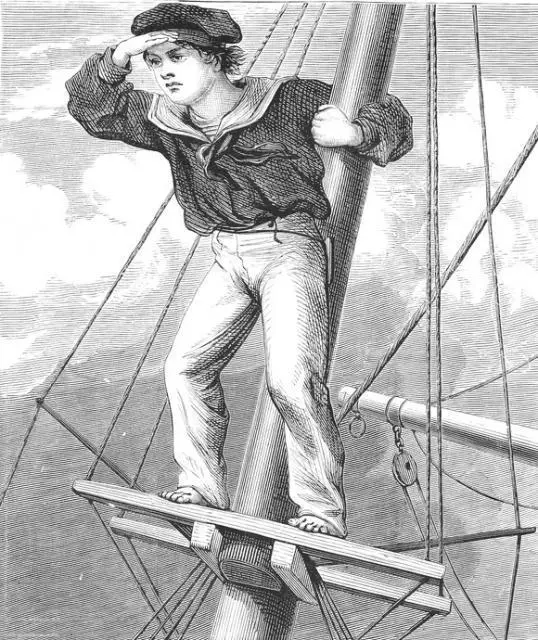
Maritime safety bodies have sounded the alarm over the rising number of incidents caused by tiredness or distraction on ship bridges. According to the Marine Accident Investigation Branch (MAIB), more than 70% of serious collisions still involve human error that can stem from lapses in concentration in low-stimulation periods.
In its 2025 report, the MAIB said bluntly: “Humans do not make good monitors, and if under stimulated, they will find other things to occupy themselves with.”
Such incidents came under the spotlight in March this year, when the cargo ship MV Solong collided with the anchored tanker Stena Immaculate in poor visible conditions, claiming one life and resulting in a fuel spill.
As reported in Maritime Journal, neither vessel had a dedicated lookout on their bridges.
The recurring failures have prompted a response from companies such as Atlantis Marine Power, which has just confirmed being appointed exclusive UK distributor for ‘Lookout’, an AI vision and situational awareness system that works alongside, rather than replaces, human senses in detecting hazards.
As well as AI, Lookout – which has been developed by a company of the same name – has sensor fusion for real-time detection of vessels, small craft, floating debris and other potential hazards — even in poor visibility or darkness. The system acts as an “always alert digital Lookout”, ensuring that the bridge team is instantly warned of developing risks, Lookout says.
Key features include 360-degree scanning for full situational awareness, colour night vision for low-light conditions, and docking assistance to support safe and precise manoeuvring all with Augmented reality overlay.
“Lookout is not about replacing mariners,” said Sam Bradley of Atlantis Marine Power. “It’s about giving them a partner that never blinks — a constant extra pair of eyes that enhances human awareness, especially when conditions are challenging.”
Lookout CEO David Rose said the findings of the MAIB report underlined why technology mattered.
“Lookout is there to assist crews, ensuring they’re alerted the instant something appears in their path,” he said. “It’s a team effort – human judgement with machine precision.”
Atlantis Marine Power won the Seawork Subsea & Underwater Intervention award this year for its Wireless Underwater Lights.
Related Articles
 ACCESSORIES & EQUIPMENT
 OTHER NEWS
 EQUIPMENT