


Greening the grey: port infrastructure as living seawalls
’Living seawalls’ can offer huge benefits for sea water quality, providing habitats on structures that would otherwise be hostile to marine life.
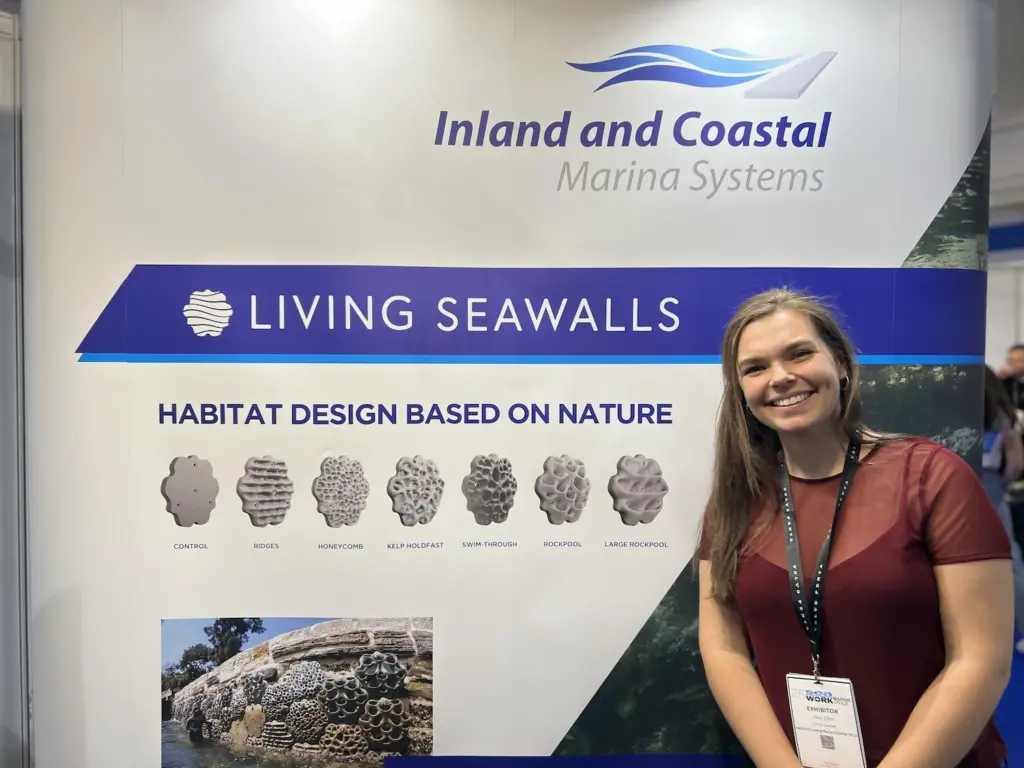
The concrete and brick structures of harbour and quay walls have been transformed into ‘havens of biodiversity’ following work initially started by Sydney-based Living Seawalls and now taken on by the UK’s University of Plymouth.
Modular panels that mimic foreshore and intertidal habitats are affixed to harbour and marina walls, with each one designed to create different features suitable for different species.
An example would be a rock pool panel, which retains a small puddle of water when the tide is low for species that need to remain submerged at all times.
On hearing about the Sydney project, Tina Robinson from the ocean conservation charity Our Only World joined up with Louise Firth, at the time associate professor of Marine Ecology at the University of Plymouth, to create a similar environment in Plymouth.
Installing the panels at Sutton Harbour took two weeks over multiple tides and now, a year later, marine species are said to be flourishing on the living seawall after the initial biofilm prompted algae growth and then animals such as mussels and oysters.
Benefits of bivalves
“Living Seawalls have been shown to transform structures along our coastlines, turning flat, lifeless walls into havens of biodiversity, by combining decades of ecological and engineering knowledge,” said PhD student Jess Allen, who has written a thesis on eco-engineering and is working on a project to assess the effectiveness of such engineering solutions.
“Ecological engineering is a way of encouraging biodiversity back onto our artificial coastlines. When used effectively, it can bridge the gap between our human requirements of the coast and the requirements of our local ecosystems.”
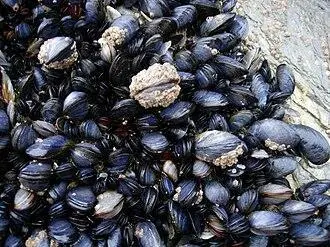
Oysters, mussels and other bivalve animals are known to have incredible water-purifying capabilities, with one mussel able to filter up to 150 litres of water in a single day, says Louise Firth, who is now a senior lecturer in Environmental Sustainability at University College Cork.
A single oyster is even more effective, able to filter 200 litres in a day, removing pollutants from the water.
“The purpose of Living Seawalls is basically to make space for nature on a structure that it wouldn’t normally survive on,” said Firth.
Sustainable panels at Seawork
Marine civil engineering firm Inland and Coastal Marina Systems partnered Living Seawalls to make the panels, re-purposing industry waste into construction material, it said.
ICMS and Jess Allen exhibited the Living Seawalls at the commercial marine exhibition Seawork in June.
“As part of our sustainability initiative, we’re always looking at ways to minimise the impact of our business and the products we produce on the environment, and the partnership with Living Seawalls provides us with a dual-purpose solution,” said Oliver Shortall, managing director at ICMS.