![MaritimeJournal[Seawork]](https://www.maritimejournal.com/wp-content/uploads/2026/09/MaritimeJournalSeawork.svg)


Anschütz tests smart collision avoidance system
Anschütz has successfully tested an automatic collision avoidance system (CAS) as part of the Kiel CAPTN initiative, marking a significant step toward autonomous navigation.
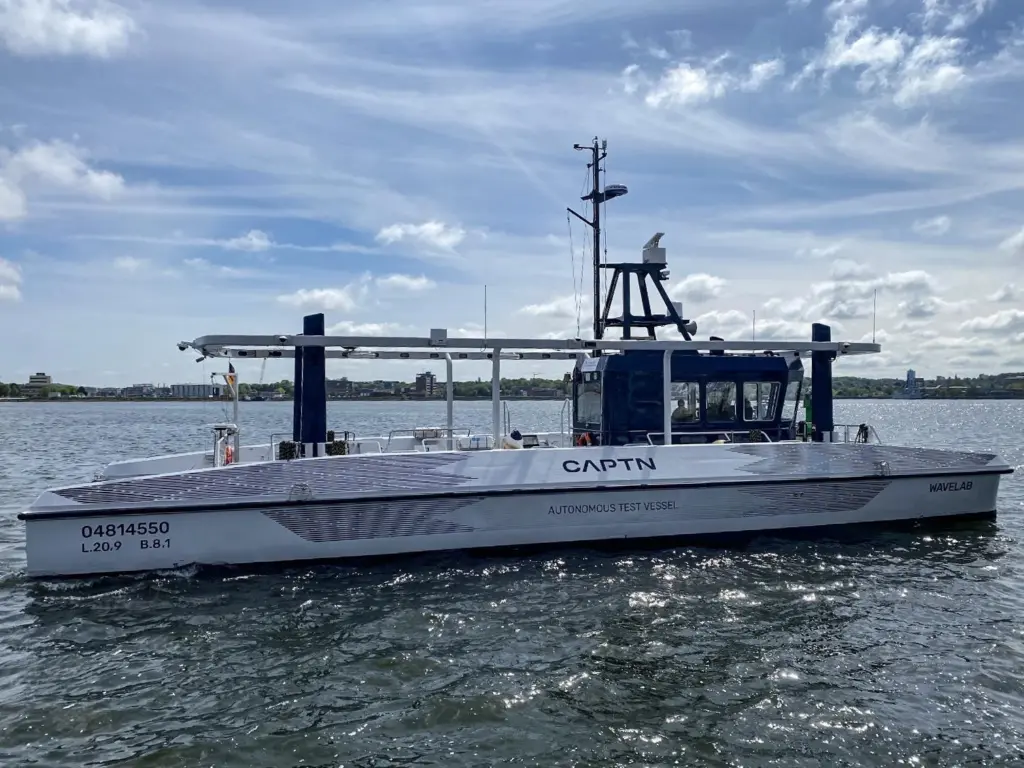
During tests in the Kiel Fjord, the system accurately identified and addressed complex situations, offering recommendations that aligned closely with the decisions of human navigators.
“Automating target detection, association and evaluation in a narrow and busy area like the Kiel Fjord proved to be a challenge,” said Daniel Sommerstedt, project manager for autonomous navigation research at Anschütz.
“We have made significant process on a steep learning curve and will continue to optimise and mature the process.”
The CAS uses an algorithm which analyses onboard sensor data to identify potential collision risks with other vessels. The system continuously assesses conditions, calculating safe manoeuvring areas and suggesting trajectories while considering factors such as water depths and restricted areas.
The tests showed the algorithm – which aligns with the International Regulations for Preventing Collisions – proved to be reliable, effective and adaptable across a range of conditions. Target detection, situation analysis and trajectory calculations were well-integrated with the vessel’s motion control systems, such as trackpilot and speedpilot, say researchers.
“The real-world tests in the unique test field of the Kiel CAPTN initiative have given us the opportunity to combine our research laboratory and simulator findings with practical experience and user feedback over a period of more than nine months,” said Sommerstedt.
The next phase of development will incorporate camera data to enhance the system’s situational analysis. Anschütz plans to refine the CAS further as part of the X-Ferry research project, with the goal of bringing it to market as an approved assistance system for professional shipping.