![MaritimeJournal[Seawork]](https://www.maritimejournal.com/wp-content/uploads/2026/09/MaritimeJournalSeawork.svg)



Fishing fleet nets performance benefits with Hefring tech
Seawork exhibitor Hefring Marine has partnered the Northern Ireland Fishermen’s Federation to improve vessel performance with its fuel and vessel monitoring technology.
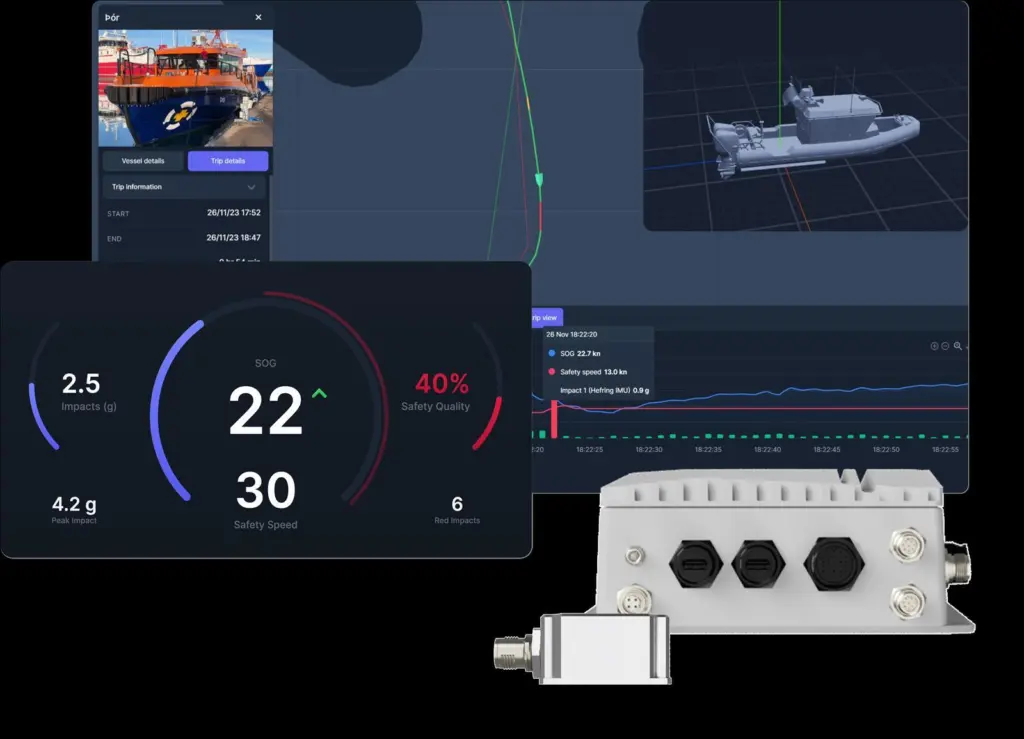
It is the first time Hefring’s IMAS system, which also monitors emissions and improves safety, has been deployed across a fishing fleet, and with costs rising fuel-saving techniques are becoming increasingly valuable.
“Fuel represents one of the most significant operating costs for fishing vessels,” said Adam Holland, Fisheries Sustainability Officer for the Northern Irish fishing industry. “By working with Hefring Marine, we aim to give vessel operators the tools to monitor and manage their consumption more effectively, supporting profitability while also supporting our fleet in aligning with the UK’s emissions reduction targets.”
Traditional fishing vessels are not equipped to monitor efficiencies or offer data-driven guidance in challenging sea conditions, often having to rely on crude calculations or simply looking out to sea, despite the fact that it is an industry carried out almost entirely on water.
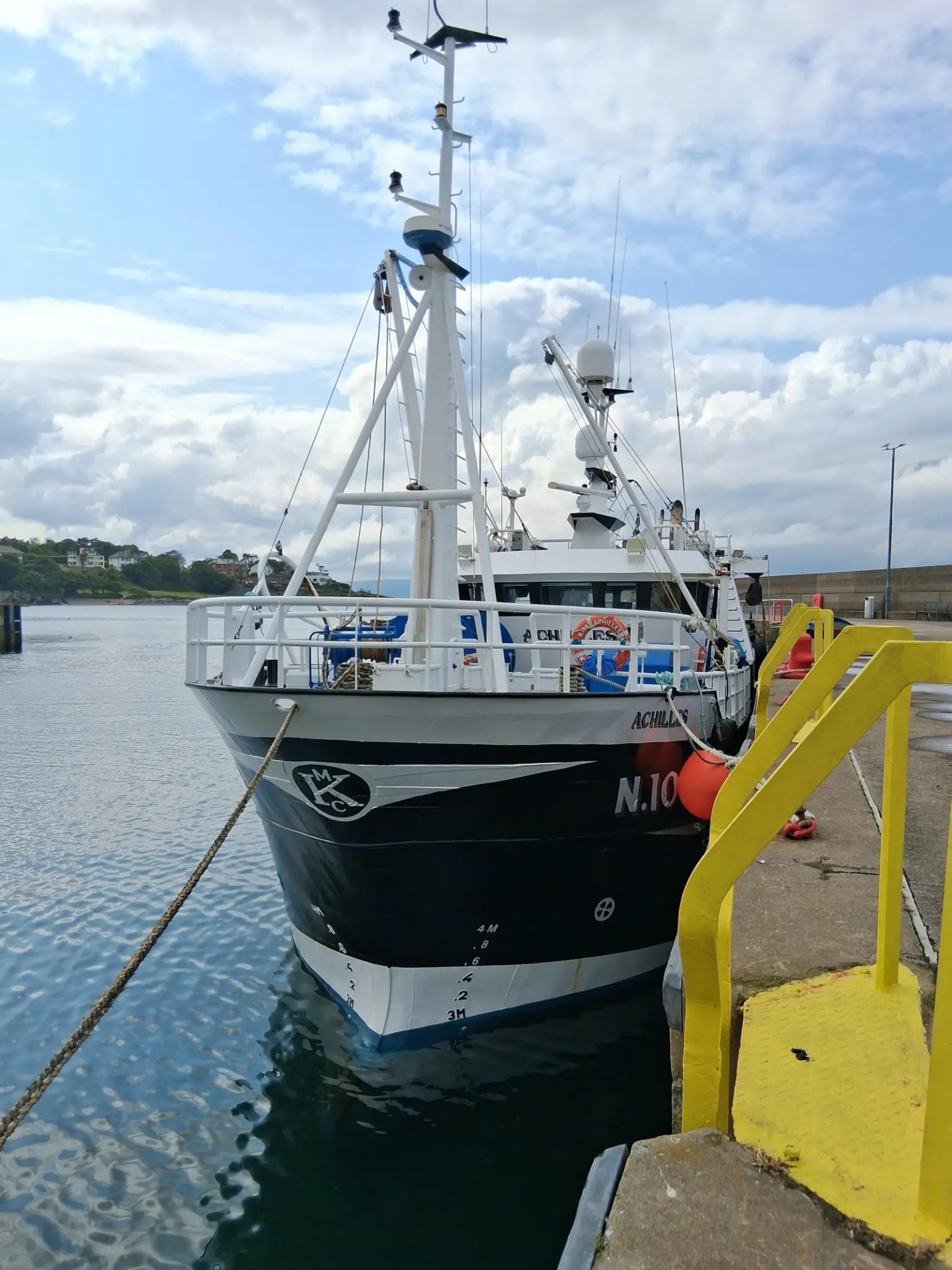
“Fishing is one of the toughest operating environments at sea,” said Karl Birgir Björnsson, CEO of Iceland-based Hefring Marine. “We are excited to collaborate with NIFF to adapt our technology for this sector. Our goal is to empower fishermen with tools that make their work safer, more sustainable, and more efficient.”
At this stage the project is a pilot, and if successful will ‘form the foundation for a long-term strategy to modernise vessel operations across the Northern Irish fleet and potentially beyond’, a spokesman said. With rising fuel and operating costs driven by inflation and global energy market pressures putting more strain on vessel operators, any savings that can be made will be vital.
“As part of the rollout, fishermen will undergo training to ensure they can easily access, understand, and apply the system’s data insights. The project will also provide valuable baseline data to explore future adoption of alternative technologies and sustainable fishing practices.”