![MaritimeJournal[Seawork]](https://www.maritimejournal.com/wp-content/uploads/2026/09/MaritimeJournalSeawork.svg)




Maritime Law Focus: Health & safety processes are vital
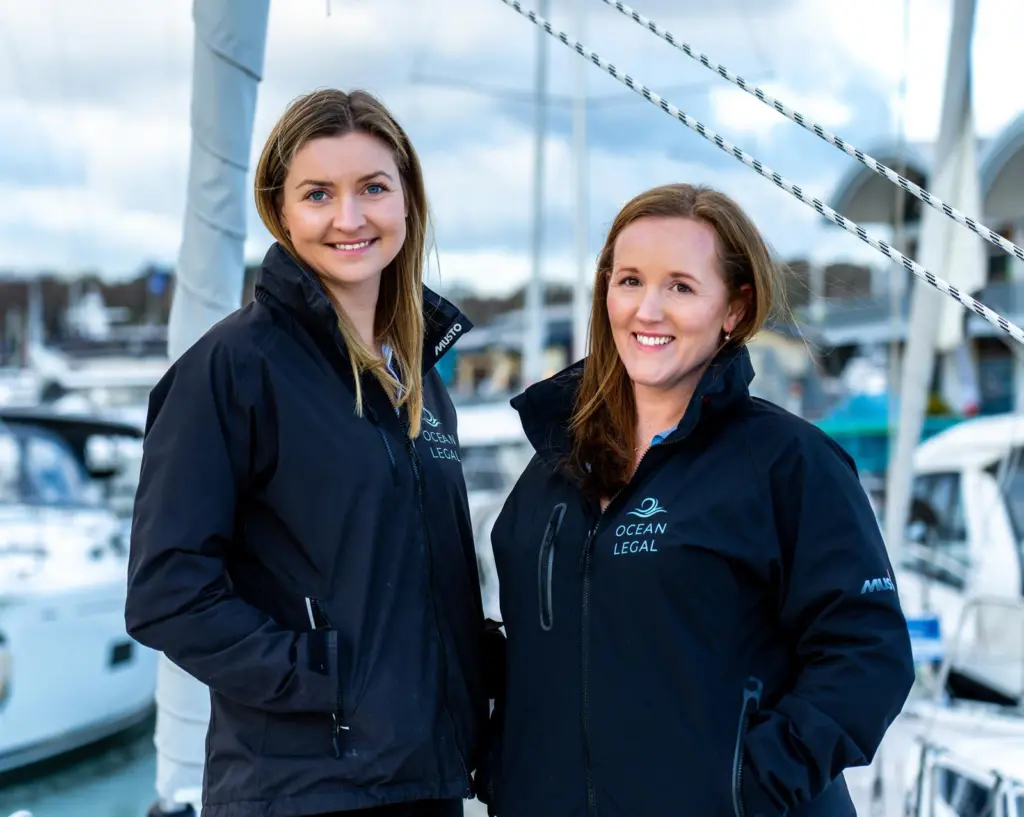
When shipyards fail to put proper health and safety measures in place, it can lead to tragic and costly results. In their latest column for Maritime Journal, Ocean Legal’s Jennie Harris and Lucy Goff outline the risks and the processes needed to minimise them.
In 2023, in the northeast of England, a shipyard worker died when he fell from scaffolding, ending with a £200,000 (€231,000) fine – plus costs – to the shipyard and the message that even dockside vessel work needs full edge protection and planning. Commenting on the case, the Health and Safety Executive (HSE) said falls from height was still one of the biggest causes of workplace fatalities in the marine sector.
The commercial marine sector, from naval architects and boat designers to shipbuilders, repairers, tug operators and other support services, operates in an environment where hazards are varied and often high risk. Whether work is carried out on land, in dock, or afloat, robust health and safety management is essential.
Establishing good processes
The foundation of safe operations is a clear, documented set of processes tailored to the work your business undertakes. These should:
- Identify specific risks – for example, lifting operations, working at height, confined spaces, moving machinery, and waterborne hazards.
- Set out control measures in line with the hierarchy of controls, favouring elimination and engineering solutions before relying on PPE.
- Assign responsibilities so that it’s clear who monitors, maintains, and enforces safety standards.
Processes must be practical, accessible to staff, and integrated into day-to-day operations, not simply filed away and forgotten.
Regular review and adaptation
Marine work changes with vessel type, job location, and weather. Processes must therefore be reviewed regularly to reflect current risks. This includes:
- Reviewing after incidents, near misses, or changes in equipment, materials or work methods.
- Involving staff in feedback, as they often see risks first hand.
- Checking compliance with evolving legislation and industry guidance.
Ensuring compliance in practice
Even the best processes are ineffective if they’re not followed. Compliance requires:
- Clear training so employees understand both what to do and why.
- Supervision and monitoring to spot unsafe behaviours early.
- A culture where safety concerns can be raised without fear.
When things go wrong

If an accident occurs, the consequences can be severe – including injury, loss of life, damage to reputation, and significant financial costs. Enforcement bodies may become involved depending on the nature and location of the incident. Failure to comply with legal duties can result in prosecutions, improvement or prohibition notices, and, in the most serious cases, imprisonment.
Other real-life examples
In 2024, the Maritime and Coastguard Agency (MCA) inspected a 12m workboat on the south coast of England carrying out harbour maintenance.
It had no current small commercial vessel certification; the operational date on its safety equipment (life-raft and flares) had expired; and there was no evidence of crew training for emergency situations.
The vessel was detained and the operator faced enforcement action.
In 2022, a vessel operator was fined £300,000 (€347,000) for breaching Confined Spaces Regulations when there was an explosion in the vessel’s fuel tank during welding work, and also that year, another one had to pay £90,000 when a worker was crushed between the vessel and dock while mooring.
Conclusion
For commercial marine businesses, safety is not just about compliance; it’s about protecting lives, livelihoods, and your professional reputation. Strong, regularly reviewed processes, supported by training, monitoring, and a positive safety culture, ensure that risks are controlled and that your team is prepared.
Ocean Legal is a specialist law firm which provides tailored legal solutions to the commercial marine sector for a price agreed upfront. | www.ocean-legal.com | contact@ocean-legal.com. This article does not constitute legal or other professional advice. Readers should seek appropriate legal guidance before coming to any decision or either taking or refraining from taking any legal action.
Related Articles
 INSURANCE, LEGAL & FINANCE
 INDUSTRY NEWS
 ENVIRONMENT