![MaritimeJournal[Seawork]](https://www.maritimejournal.com/wp-content/uploads/2026/09/MaritimeJournalSeawork.svg)




Bringing different worlds together
“Regulation is a difficult issue,” says Len Roueche, CEO of Interferry, adding that it’s not made any easier by the fact that the regulators and businesses sometimes “seem to live in two different worlds”.
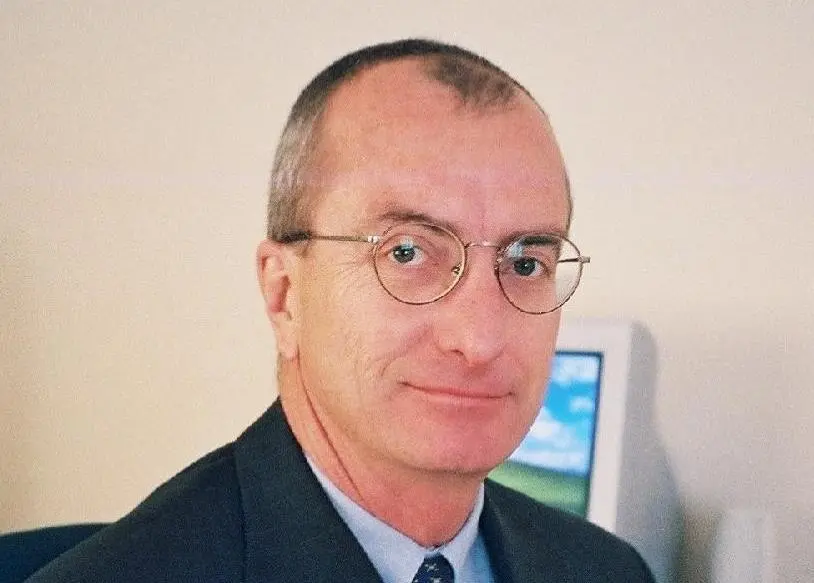
A veteran of many IMO meetings he sees his job representing the ferry companies as helping to keep the rules realistic for a sector that simply can’t absorb a ‘one-size-fits-all’ approach.
It’s been a long road. Early successes in his 11 years leading Interferry include an agreement that “scientific data” should underpin certain regulatory revisions. The biggest win to date has helping to get a two year extension on the Energy Efficiency Design Index for passenger vessels and ro-ro cargo vessels which, if it had gone through unmodified, would have been “disastrous”.
“The basic problem is that in the other ship categories there is a fairly consistent group of designs, but ferries are usually very specifically designed for certain routes, so forcing them into certain design criteria, speed, size, front end or back-end loading, means you can all too easily stop them being able to serve the very routes they were intended for,” he explains.
However, he, and Interferry, seem to be winning. “There’s some satisfaction in the fact that the regulators have started coming to us for advice,” he says.
He adds, too, that things have been changing: “One thing I believe the IMO is getting right is emphasising the ‘human element’ in shipping… the idea used to be to ‘fix the ship’ instead of looking at the total structure. This isn’t about blaming the captain or crew member, it’s the whole environment that now comes under scrutiny – it’s not about pointing to one person and saying ‘it’s that guy’s fault’.”
Having spent 25 years working in the commercial part of the industry for British Columbia Ferries after a short spell in research, there are still changes he’d like to see: “Ideally I would like to see some impact analysis of regulations on economics and businesses before the rules are approved… One problem is the owners and the regulators live in two different worlds, owners are primarily in the world of money, regulators are focused on making regulations,” he points out, adding while you are always going to have a tension, more could be done to bring the two sides together.
Athough still living in Victoria BC, Mr Roueche is used to spending a lot of time in Europe and his trips have taken him away from home rather more than he would have liked: in September he is doing his third round the world circumnavigation. “It was easier to combine everything and keep going in one direction – I’m saving about 33 hours flying time,” he points out.
However, things might be changing as Interferry now has a full-time executive director of EU and IMO affairs onboard in Brussels, and Mr Roueche is looking at a little less travelling.