![MaritimeJournal[Seawork]](https://www.maritimejournal.com/wp-content/uploads/2026/09/MaritimeJournalSeawork.svg)


Down to the small details
It’s “all about the ability to adapt,” says Bob Mainprize of Scarborough UK based Mainprize Offshore Limited. However, he believes the boat design and building industry needs to do more than simply ‘respond’ to the pull of the market and needs to think ahead.
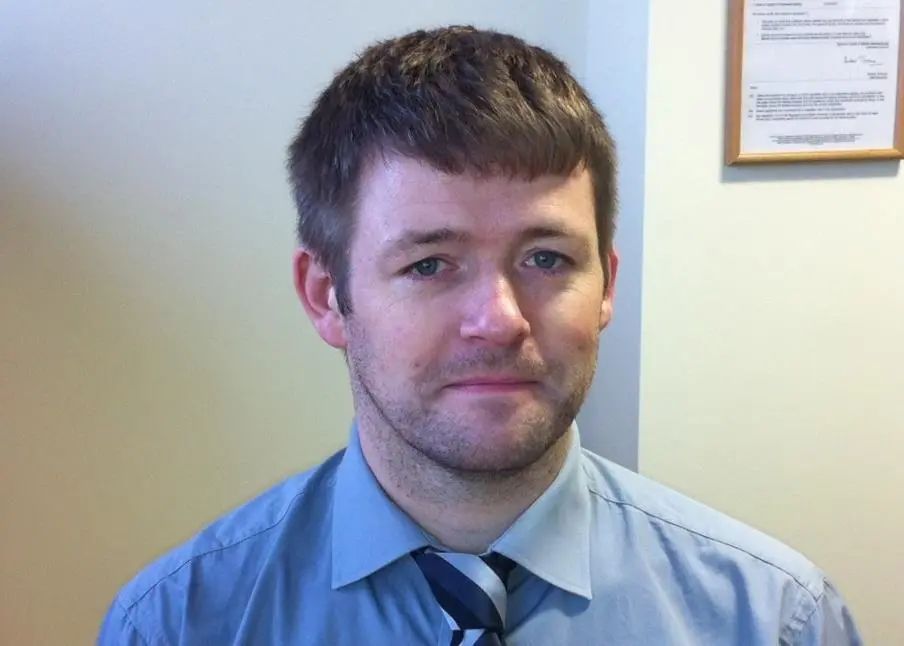
He is, he says, “excited by the challenges of the Round 3 wind farms” while still cautious about simply trusting the market to provide what the emerging wind farm industry needs. His point is that “while many builders have piled into building fast crew transfer boats, these can be lacking in real multipurpose ability.” It’s an issue, he says, because you want a support vessel to do just that, support in a variety of circumstances.
“Sometimes it’s a matter of taking more cargo, sometimes there’s a hiccup with supplies. Our vessels are self sufficient and have a large amount of redundancy built in. If need be we can pick up a three tonne palette ourselves and not wait for a harbour crane and personnel to become available.”
Mr Mainprize’s life has been lived around working boats. “We lived right by Scarborough Quay and as children I and my sisters would sit splicing ropes of an evening.” Originally a trawler company, the family business saw fishing quotas dry up in the late 70s. “The boats were really suited to deep, heavy waters,” he says, “so we found work around the oil and gas industry, which has spread into wind farm support.”
He and his wife took the opportunity of buying his father’s boat and set out on their own around ten years ago. Since then the business has grown. Four ships are on the water at present with new vessels about to be delivered and the company is taking on the management of other vessels. True to his ideas, these are multipurpose, very strong and adaptable.
“The fact is wind farm vessels during the construction phase are used to their limit,” he says. “There is no built-in redundancy, for example, to fit a dive suite or load cargo and the decks can often become cluttered. This in itself poses a risk as they are like on water bumper cars.
”A reliable work horse is very hard to build with a large amount of computers and network systems. Our focus has been to provide a basic platform that is suitable for a lot of jobs, stripping it all back to what’s needed, with redundant systems,” he explains, although he adds dynamic positioning is necessary for survey work.
“I put the long term relationships we have with clients down to good communications, forward planning, going the extra mile and safety commitments,” he says, adding success is largely down to be being proactive with the small details: “It makes a huge difference. If there’s a delay and you offer to get out there and make people aware of what’s going to happen or do a preliminary wreckage inspection, you can smooth the path and help the whole project along.”