![MaritimeJournal[Seawork]](https://www.maritimejournal.com/wp-content/uploads/2026/09/MaritimeJournalSeawork.svg)



Marine plastic has a cost to humans too
Scientists have revealed that plastic floating in the sea is costing human society hundreds if not thousands of billions of dollars every year in damaged and lost resources, with knock on effects for our health and wellbeing.
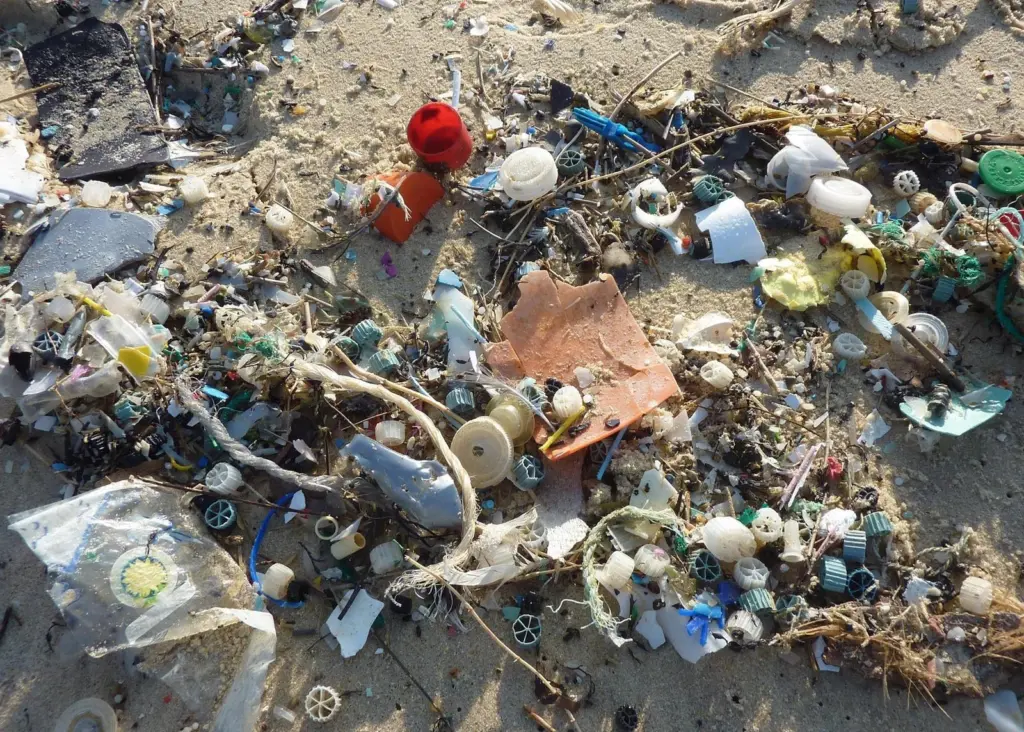
The finding was announced in a Plymouth Marine Laboratory-led study to investigate the effects of marine plastic pollution on the goods and services the marine environment provides to society. The research reveals that marine plastic pollution has significant negative impacts on the benefits and the value of the provisions we gain from the sea, which ultimately has implications for human health and wellbeing.
Dr Nicola Beaumont, lead author and Environmental Economist at Plymouth Marine Laboratory, commented: “This study, for the first time shows that, while we should be concerned about ecological impacts, we should equally be worried about the economic and societal consequences which relate directly to our own health and wellbeing.”
Service delivery decline
By synthesising global ecological impacts of plastics and then translating that into ecosystem services impacts, the study estimates that there will be a 1-5% decline in marine ecosystem service delivery. This equates to an annual loss of US$500-$2,500bn in the value of benefits derived from marine ecosystem services, globally.
The three most high value/high risk ecosystem service impacts were identified as: provision of fisheries, aquaculture and materials for agricultural use; heritage, culture and emotional importance, and experiential recreation and tourism.
Every analysis demonstrated negative impacts on the key ecological groups investigated. Only bacteria and algae showed a positive benefit from marine plastics.
By Rebecca Jeffrey
Related Articles
 ACCESSORIES & EQUIPMENT
 ENVIRONMENT
 MARINE CONSTRUCTION