![MaritimeJournal[Seawork]](https://www.maritimejournal.com/wp-content/uploads/2026/09/MaritimeJournalSeawork.svg)




New garbage regs apply to smaller craft
“Following departure from port and once out of site of land the ship’s crew felt free to dispose of all manor of garbage over the stern rail,” said Captain Andy Goldsmith of Maritime Progress.
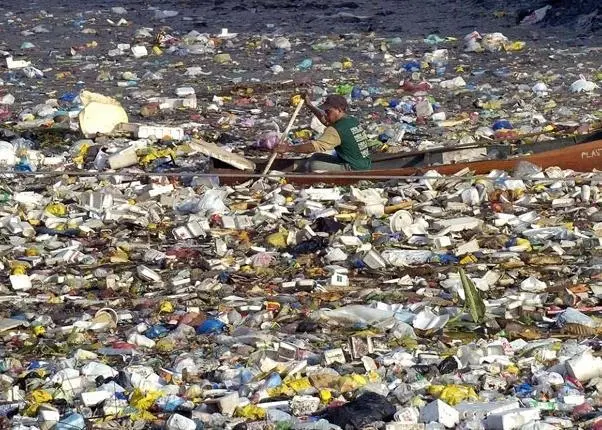
Although it used to be assumed that the oceans could absorb anything thrown into them, Captain Goldsmith points out that while a small piece of paper will only take 2 to 4 weeks to dissolve at sea, a piece of painted wood will take 13 years, a tin can 100 years and a plastic bottle 450 years. “This means much of the litter of the last century is still affecting the marine environment today.”
The 1998 International Maritime Organisation (IMO) Annex V completely prohibited the dumping of plastics at sea, put restrictions on dumping other garbage in specific areas and obliged governments to provide shore-based disposal facilities.
However in spite of this, recent surveys discovered up to ten tonnes of garbage per mile along some coastlines, of which plastics formed the biggest category.
So, it was obvious that more needed to be done and the IMO has worked on amendments (coming into force from 1 January 2013) which prohibit the discharge of all garbage overboard.
Placards, plans and records
All ships over 100 tonnes, those certified to carry 15 persons or more (plus fixed or floating platforms) will now have to carry a Garbage Management Plan. Further, ships over 400 gross tons plus a number of those smaller craft with a 15 passenger allocation now also have to use a Garbage Record Book which records all instances of disposal both at sea and to port reception facilities.
Every vessel over 12m is to display placards notifying passengers and crew of the disposal requirements of the regulation.
Port control officers are empowered to inspect ships for compliance and where there is clear evidence that the master and crew are not familiar with essential procedures, the ship can be detained. It is therefore essential to not only follow the regulations but also provide evidence that this is the case.
Marine pollution lifetimes:
Piece of paper (small) – 2 to 4 weeks
Painted wood (piece) – 13 years
Tin can – 100 years
Plastic bottle – 450 years
Related Articles
 ACCESSORIES & EQUIPMENT
 ENVIRONMENT
 MARINE CONSTRUCTION