![MaritimeJournal[Seawork]](https://www.maritimejournal.com/wp-content/uploads/2026/09/MaritimeJournalSeawork.svg)





Put bioremediation into pollution toolkit
Incidents of oil spills will continue to plague the marine environment as long as ships transit the worlds oceans and oil rigs move into ever deeper waters.
“After worker safety, minimising the effects on the environment is the main order of business in any oil spill response situation, but the use of bioremediation products as part of the plan is not largely understood in the maritime community”, said John Paparone, owner of US based Environmental Solution Inc, which distributes ‘green’ cleaning products for the maritime industry.
Traditional oil response equipment includes the use of skimmers, a variety of booms, oil transfer pumps, dispersant spray equipment, oil storage equipment, response vessels and aircraft, plus additional equipment, people, and labour. These are necessary and critical components to the clean-up process, and naturally, they all cost time and money. However, bioremediation products not only help save time and money, they do not pose health risks for workers.
Paparone explained that bioremediation is the process of using naturally occurring, safe and beneficial micro-organisms to degrade environmentally harmful contaminants and turn them into non-toxic compounds. The organisms will break down most petroleum hydrocarbons and transform them into carbon dioxide (CO2) and water, and this natural process will produce bionutrients that can be utilized by both plant and aquatic life. After bioremediation is completed, the environment is virtually restored to its pristine condition.
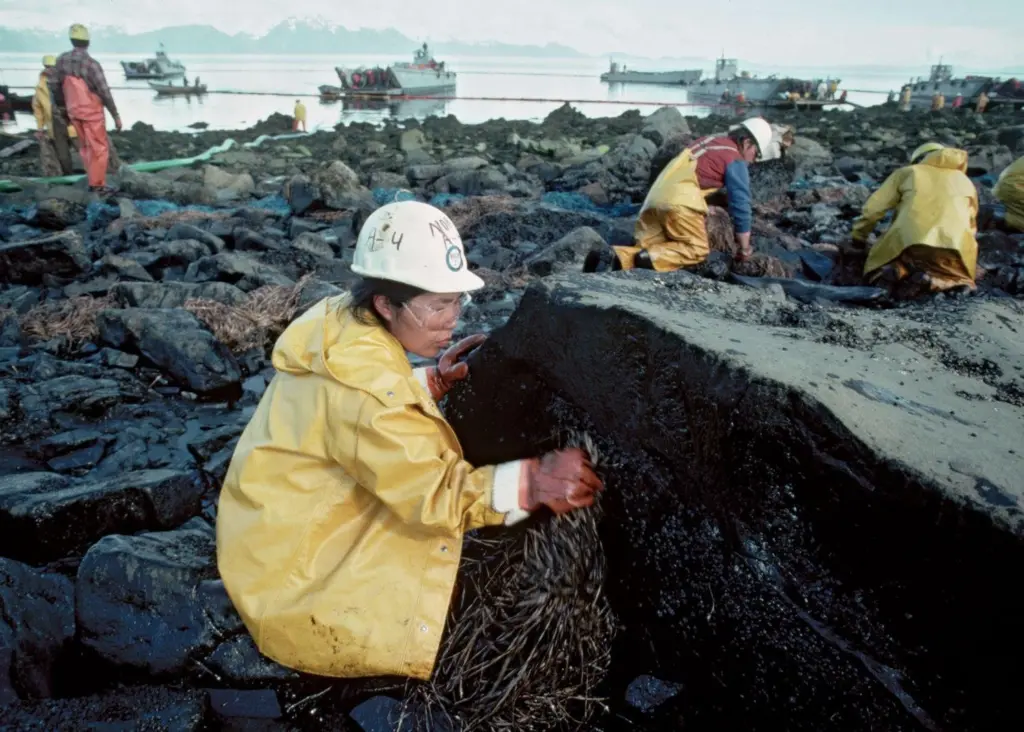
The process of bioremediation has been studied since the 1940s but it wasn’t widely used until the Exxon Valdez oil spill disaster in 1989. Today, the US Environmental Protection Agency (EPA) Office of Research and the U.S. Geological Survey (USGC) continue studying this method, and the EPA endorses its use in oil response measures.
Paparone concluded, “When you take into consideration that specialised bioremediation products are ready and safe to use, require no personnel training, and cost up to 70% less than other technologies, it makes sense to standardize this proven technique as part of all oil spill response measures.”
Related Articles
 ACCESSORIES & EQUIPMENT
 ENVIRONMENT
 MARINE CONSTRUCTION